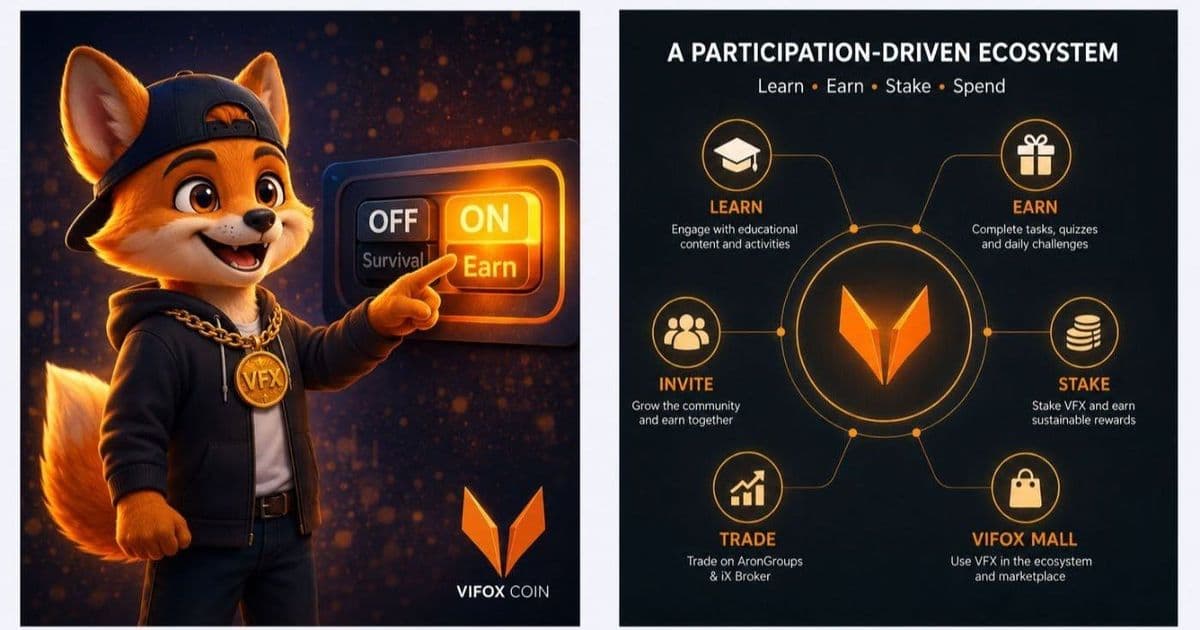
Web3 projects are moving from hype‑driven token launches to participation‑focused ecosystems. Learn how models such as Learn‑to‑Earn, gamified rewards, and transparent tokenomics are attracting investors, improving retention, and redefining success metrics in the crypto space.
Why Engagement‑Based Ecosystems Are Reshaping the Future of Web3
{{IMAGE:2}}
The cryptocurrency sector has matured from an experimental niche into a multi‑trillion‑dollar market that now touches finance, digital ownership, AI, and creator platforms. Yet a persistent problem remains: many projects disappear once the initial buzz fades. The root cause is often not the blockchain itself, but a lack of ongoing user engagement and clear utility.
From Speculation to Participation
For years, token price was the primary signal of success. A project could skyrocket after a listing on a major exchange or a viral tweet, even if the underlying product was unfinished. Investors and users have grown more selective. Today they ask:
- Does the platform offer real utility?
- How active is the community?
- Are tokenomics transparent and sustainable?
- What security measures protect the code?
These questions push developers to design ecosystems that reward continuous participation rather than one‑off purchases.
Engagement Loops as a New Growth Engine
Modern Web3 users expect to do something with their tokens. Platforms are adding layers that encourage interaction:
- Gamified rewards – points, badges, and leaderboards that translate into token payouts.
- Learn‑to‑Earn – users receive tokens for completing tutorials, quizzes, or certification courses.
- Staking and liquidity mining – lock‑up incentives that align long‑term interests.
- Referral and achievement systems – network effects that grow the user base organically.
These mechanisms mirror successful models in gaming, fintech, and loyalty programs, but the blockchain adds verifiable ownership and programmable value transfer.
Funding the Participation Model
Investors are beginning to allocate capital to projects that demonstrate measurable engagement metrics. Below are three recent rounds that illustrate this trend:
| Project | Funding Round | Amount | Lead Investors | Core Engagement Feature |
|---|---|---|---|---|
| ViFox Coin (BSC) | Series A | $12 M | Galaxy Ventures, Polychain Capital | Learn‑to‑Earn + gamified marketplace |
| EduChain (Ethereum) | Seed | $4.5 M | Placeholder VC, Alameda Research | Tokenized education credits |
| PulsePlay (Polygon) | Series B | $18 M | Andreessen Horowitz, Lightspeed | Play‑to‑Earn esports hub |
ViFox Coin, for example, raised $12 million in early 2026 to build a suite of participation tools: daily quests, mystery‑box drops, and a staking pool that feeds back into its marketplace. The investors highlighted the project’s "retention‑first" token model as a differentiator from pure speculation tokens.
Security and Transparency as Investment Signals
After a decade of rug pulls and contract exploits, security audits have become a prerequisite for funding. Most of the rounds listed above required:
- Independent audits from firms such as Quantstamp and CertiK.
- Vesting schedules that lock founder tokens for 24 months.
- Public dashboards showing liquidity depth and token flow.
These safeguards reduce risk for institutional backers and give users confidence that the ecosystem will survive beyond the launch window.
Integration Over Isolation
Another shift is the move away from standalone tokens toward utility that spans multiple services. A token now often serves as:
- Payment for on‑chain courses (EduChain).
- Access key for premium game modes (PulsePlay).
- Governance stake for marketplace upgrades (ViFox Coin).
By embedding tokens in several product layers, projects create recurring demand that is less vulnerable to market swings.
Measuring Success Differently
Traditional crypto metrics—market cap, exchange listings, price volatility—are being supplemented with engagement‑focused KPIs:
- Daily Active Users (DAU)
- Retention after 30/90 days
- Average tokens earned per user
- Staked token ratio
Platforms that can point to steady growth in these numbers are attracting higher valuations, even if their token price is modest.
What This Means for the Future of Web3
Speculation will not disappear; it remains a natural part of any market. However, the projects that endure are likely those that combine:
- Clear utility – tokens used for real actions, not just trading.
- Participation incentives – rewards that keep users returning.
- Transparent tokenomics – audits, vesting, and open data.
- Cross‑product integration – a token that works across education, finance, and entertainment.
When these elements align, the ecosystem becomes a self‑reinforcing economy rather than a temporary hype cycle.
Author: Nica Furs, Business Development Manager
Published: May 13, 2026
Further reading
- ViFox Coin official site – tokenomics and roadmap
- EduChain documentation – learn‑to‑earn framework
- PulsePlay whitepaper – play‑to‑earn economics
Comments
Please log in or register to join the discussion