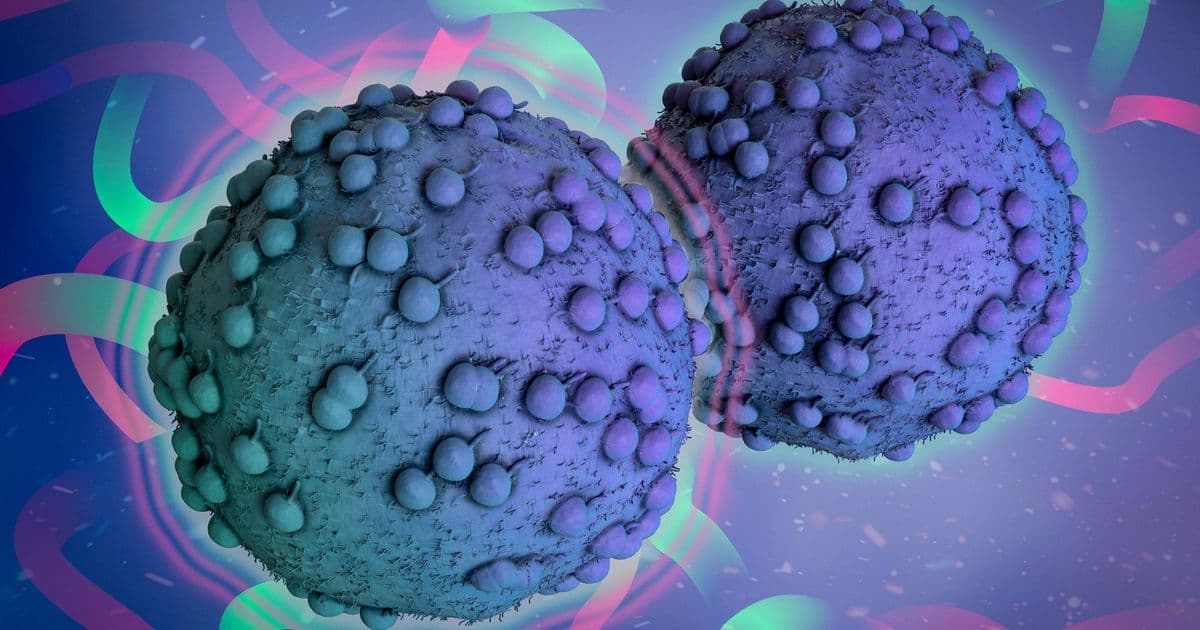
MIT researchers have discovered why certain targeted cancer therapies fail in some patients, revealing that resistant tumor cells activate backup survival pathways before treatment even begins.
A breakthrough study from MIT has uncovered a fundamental reason why some of the most promising cancer drugs fail to work in certain patients, potentially opening new avenues for combination therapies that could dramatically improve treatment outcomes.
The Hidden Resistance Problem
Drugs targeting tyrosine kinases have revolutionized cancer treatment, offering hope to patients with specific genetic mutations. These medications, including well-known drugs like imatinib (Gleevec), work by blocking enzymes that drive uncontrolled cell growth. Yet despite their promise, these therapies typically succeed in only 40 to 80 percent of patients who should theoretically respond.
This puzzling failure rate has frustrated oncologists for years. Now, MIT researchers have discovered that many resistant tumors possess a built-in survival mechanism that activates before treatment even begins.
"Even before the therapy begins, the cells are in a state that intrinsically is resistant to the drug," explains Cameron Flower PhD '24, lead author of the study published in the Proceedings of the National Academy of Sciences.
How Cancer Cells Outsmart Treatment
The research team, led by Forest White, the Ned C. and Janet C. Rice Professor of Biological Engineering, examined six different cancer cell lines from lung cancer patients. They studied cells with mutations in three key tyrosine kinases: EGFR, MET, and ALK. Each pair included one cell line that responded well to targeted therapy and one that did not.
Using a sophisticated technique called phosphoproteomics, which maps protein activation patterns throughout cells, the researchers discovered something surprising. The drugs were working exactly as intended in all cells—they successfully blocked their target kinases. However, in resistant cells, an alternative network was already active.
This backup system consists of signaling pathways regulated by SRC family kinases. These pathways provide cancer cells with alternative routes for survival and proliferation, essentially creating a bypass around the blocked treatment target.
Beyond Lung Cancer
The discovery extends beyond lung cancer. White's lab has found similar SRC family kinase activation in melanoma cells and glioblastoma, a deadly brain cancer. This suggests the resistance mechanism may be a common feature across multiple cancer types.
Benjamin Neel, a professor of medicine at NYU Grossman School of Medicine who was not involved in the study, notes that the findings could have broad implications: "The work suggests that combining inhibitors of driver oncogenes with SRC inhibitors could increase the number of patients who would benefit."
A Potential Solution Emerges
The research offers more than just an explanation—it points toward a solution. When the team treated resistant cells with both a tyrosine kinase inhibitor and a drug targeting SRC family kinases, they observed dramatically improved cell death rates.
This combination approach is already being tested in clinical trials. A study is currently underway using osimertinib (a tyrosine kinase inhibitor) combined with an SRC inhibitor in lung cancer patients. The MIT team is working to expand similar trials to pancreatic cancer patients.
Looking to the Future
Perhaps most exciting is the potential to predict which patients will benefit from combination therapy. The researchers demonstrated they could use phosphoproteomics to analyze patient biopsy samples and identify which cells already have SRC pathways activated.
"We are really excited to watch these clinical trials and to see how well patients do on these combinations," White says. "I really think there's a future for using tyrosine phosphoproteomics to guide this clinical decision-making."
The findings also suggest new strategies for patients whose tumors initially respond to tyrosine kinase inhibitors but later develop resistance. Some cells may gradually upregulate the survival pathway over time, leading to treatment failure.
This research represents a significant step forward in understanding why cancer treatments fail and how to overcome resistance. By identifying the backup survival pathways that cancer cells use, scientists can develop more effective combination therapies that target multiple vulnerabilities simultaneously.
The work was funded by the National Institutes of Health and the MIT Center for Precision Cancer Medicine, highlighting the importance of continued investment in basic research that can translate into life-saving treatments.
The study, titled "Tyrosine phosphoproteome profiling identifies cell-intrinsic signals limiting the efficacy of tyrosine kinase inhibitor therapies," is available through the Proceedings of the National Academy of Sciences. Researchers are hopeful that these findings will lead to more personalized approaches to cancer treatment, ultimately improving outcomes for patients who currently have limited options.
Comments
Please log in or register to join the discussion