
YouTube channel PhoneBuff conducted a 26-hour battery test comparing WiFi and 5G connections on iPhone 17 Pro Max devices, revealing significant battery drain differences during video calls, social media browsing, and video streaming.
A comprehensive battery life test conducted by YouTube channel PhoneBuff has revealed substantial differences in power consumption between WiFi and 5G connections on smartphones. Using two identical iPhone 17 Pro Max devices, the 26-hour test demonstrated that 5G connectivity can significantly impact battery life during certain activities.
Test Methodology and Setup
The test employed a controlled methodology using two iPhone 17 Pro Max units purchased from Amazon. One device maintained WiFi connectivity while the other operated exclusively on 5G. Both phones underwent factory resets, had identical apps installed, matched brightness settings, and used brand new accounts to ensure consistency.
Key Findings by Activity
Voice Calls and Text Messaging
Initial tests involving regular voice calls and text messaging showed no noticeable difference in battery consumption between the two connection types. Both WiFi and 5G performed similarly for these basic communication functions.
Video Calling Impact
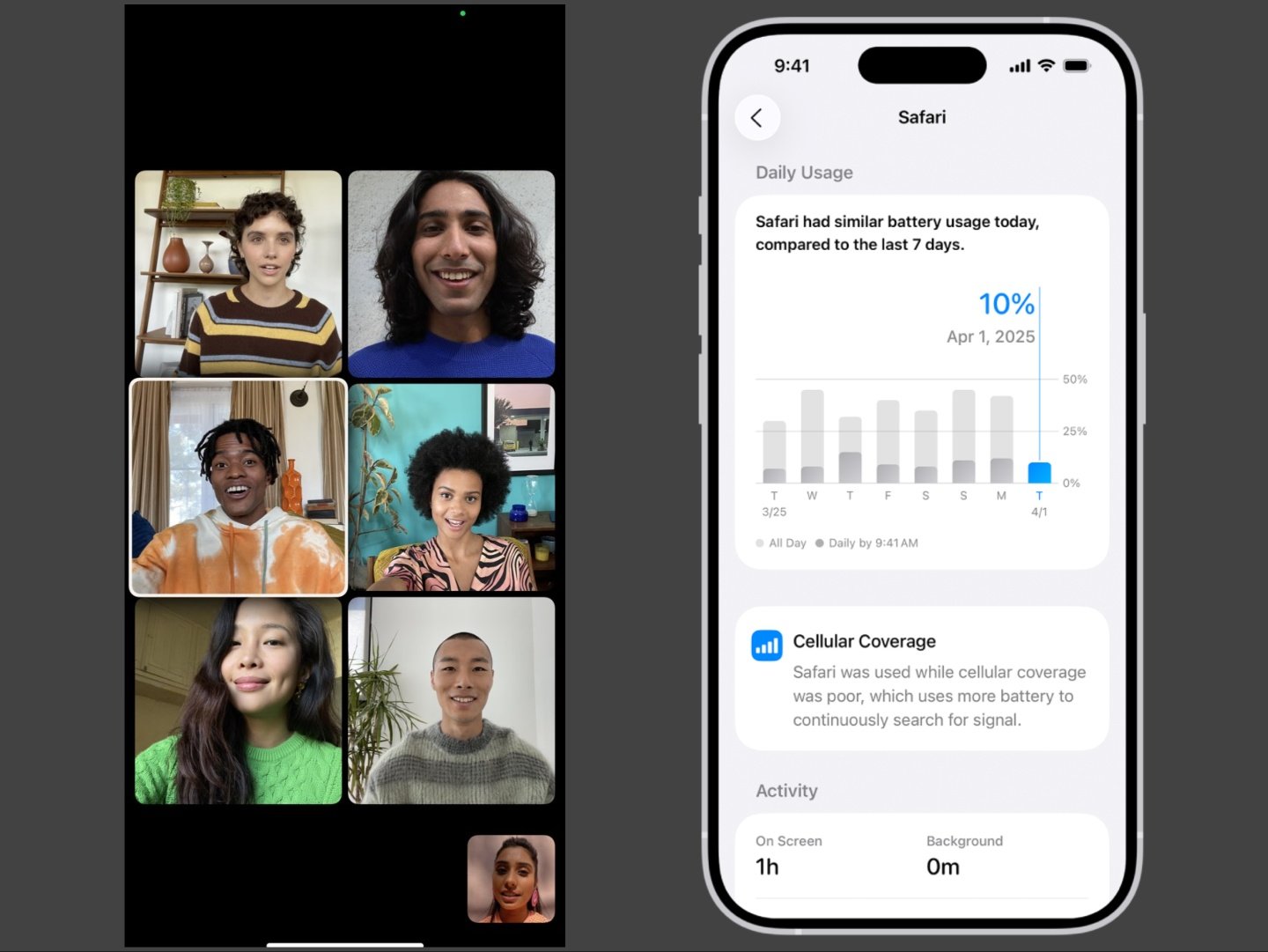
The most dramatic difference emerged during FaceTime calls. After a two-hour video call session, the 5G device dropped to 46% battery while the WiFi device maintained 62%. This translated to a 42% battery loss for the 5G phone compared to a 25% loss for the WiFi model over the same period.
Social Media Browsing
Instagram usage revealed another significant gap. After two hours of social media browsing, the 5G phone depleted to 4% battery (a 13% loss), while the WiFi device retained 26% (a 10% loss). This demonstrates that data-intensive social media applications consume considerably more power over cellular networks.
Video Streaming Results
The final test proved most conclusive. After approximately 22 minutes of movie streaming, the 5G device shut down completely while the WiFi device still maintained 25% battery life. This stark contrast highlights the substantial power demands of video streaming over cellular networks.
Additional Variables and Considerations
Tower Switching Impact
The test acknowledged that 5G connections constantly switch between cellular towers while in motion, which contributes additional battery drain beyond the connection type itself. The moving 5G device showed approximately one hour less screen-on time compared to stationary testing.
Older Device Considerations
An interesting observation noted that older smartphones with aging modems experience even greater battery life differences between WiFi and 5G. WiFi connectivity can provide even more substantial battery savings on devices with older cellular hardware.
Real-World Implications
These findings have significant implications for smartphone users who frequently engage in data-intensive activities. For activities like video calling, social media browsing, and video streaming, WiFi connectivity can extend battery life by several hours compared to 5G usage.
Testing Limitations
While the test provides valuable insights, it's important to note that real-world conditions vary significantly. Factors such as network congestion, signal strength, carrier infrastructure, and individual usage patterns all influence actual battery performance. The controlled environment of this test may not perfectly replicate everyday usage scenarios.
Source and Further Information
The complete testing methodology and additional details are available in the full video from PhoneBuff on YouTube, which provides visual demonstrations of the battery drain differences throughout the 26-hour testing period.
Comments
Please log in or register to join the discussion