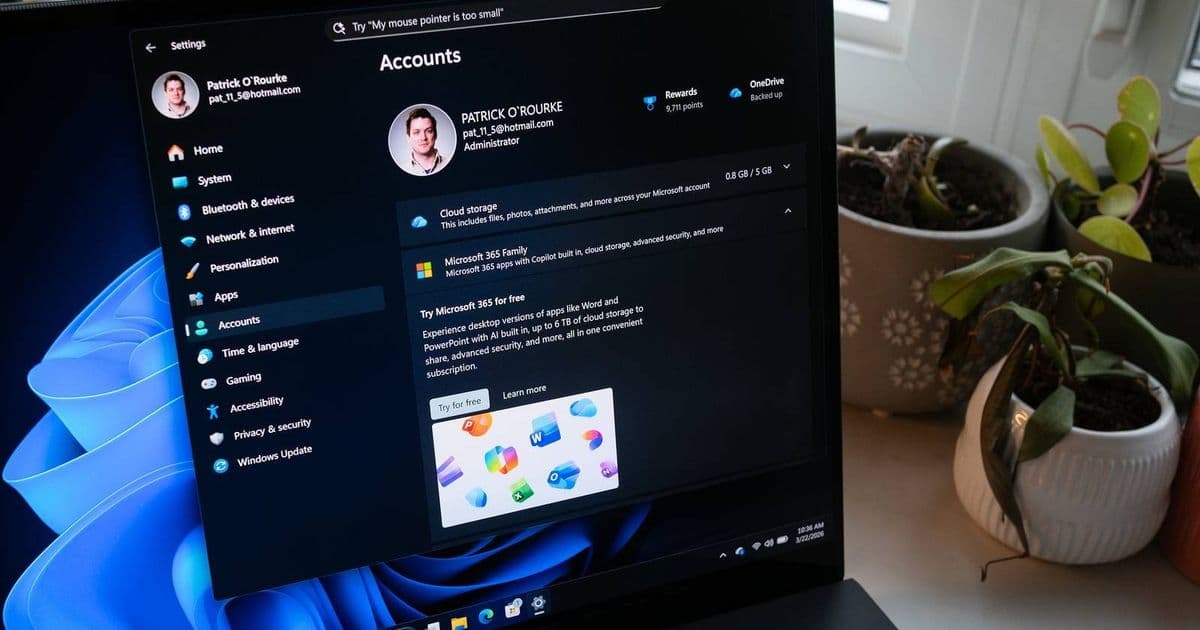
Microsoft hints at returning local accounts to Windows 11, potentially removing the controversial Microsoft Account requirement. This change could significantly impact authentication workflows for developers building Windows applications.
Microsoft appears to be reconsidering one of Windows 11's most controversial requirements: the mandatory Microsoft Account setup during initial configuration. According to comments from Microsoft Vice President Scott Hanselmann, the company is working on addressing user frustrations with this requirement, hinting that local profiles might make a return to the operating system.
The Current State of Windows 11 Authentication
Since its release, Windows 11 has required users to sign in with a Microsoft Account during the initial setup process. This requirement has drawn consistent criticism from users, IT administrators, and privacy advocates who prefer local accounts for various reasons including privacy concerns, offline access, and organizational control.
For developers, this mandatory Microsoft Account requirement has created several challenges:
- Authentication complexity for applications that need to work with local accounts
- Additional friction for users who prefer not to cloud-sync their data
- Complications for enterprise deployments where centralized account management is preferred
- Potential privacy implications for applications handling sensitive user data
Hanselmann's Hint at Change
In a reply on X (formerly Twitter), Scott Hanselmann, a Microsoft Vice President working on the company's developer platform, responded to a user's complaint about the Microsoft Account requirement with a telling statement: "I hate that too. I'm working on it."
While not an official announcement, this comment from a high-ranking Microsoft executive suggests that the company is aware of user frustration and is actively exploring solutions. Hanselmann's position within Microsoft's developer ecosystem gives his comments particular weight, indicating that this change may be more than just speculation.
Potential Technical Implementation
Should Microsoft implement local account support in Windows 11, several technical approaches are possible:
Dual-option setup: The most straightforward approach would be to offer users a choice between Microsoft Account and local account during initial setup, similar to Windows 10's approach.
Post-setup conversion: Allowing users to convert from a Microsoft Account to a local account after setup, though this would likely preserve some cloud-connected features.
Developer mode bypass: Creating a special setup process for developers who need local accounts for testing purposes.
Enterprise policy exception: Allowing organizations to deploy Windows 11 with local accounts through group policies or MDM solutions.
Developer Impact and Considerations
For developers building applications for Windows, this potential change carries several implications:
Authentication Workflows
Applications relying on Microsoft Account authentication would need to adapt to handle local accounts. This includes:
- Implementing alternative authentication methods for local users
- Adjusting user profile management systems
- Modifying data synchronization strategies to work with both account types
- Updating error handling for authentication failures
SDK and API Considerations
Microsoft's developer SDKs and APIs would likely need updates to support both account types seamlessly. Key areas include:
- Windows Authentication APIs
- User profile management interfaces
- Cloud storage integration services
- Application data roaming mechanisms
Cross-Platform Development Tools
Developers using cross-platform frameworks like React Native, Flutter, or .NET MAUI would need to ensure their authentication systems work correctly with both account types. This includes:
- Updating platform-specific authentication modules
- Ensuring consistent user experience across platforms
- Adapting cloud synchronization logic to handle different account types
- Testing applications with both Microsoft and local accounts
Migration Strategies for Existing Applications
For applications already deployed on Windows 11, developers should consider the following migration strategies:
Gradual Implementation: Begin supporting local accounts while maintaining Microsoft Account compatibility, then gradually transition based on user adoption.
Feature Detection: Implement runtime detection of account type to adjust behavior accordingly.
Configuration Options: Add settings to allow users to choose their preferred authentication method.
Data Migration: Plan for scenarios where users might switch between account types, including data migration and synchronization strategies.
Cross-Platform Implications
Beyond Windows-specific development, this change could affect cross-platform development in several ways:
- Consistent Authentication Patterns: Cross-platform applications could implement more consistent authentication patterns across all supported platforms.
- Reduced Platform Fragmentation: With Windows supporting local accounts like other platforms, developers could reduce the complexity of authentication implementations.
- Enterprise Deployment: Easier Windows deployments in enterprise environments could lead to more cross-platform enterprise applications.
- Privacy Features: Enhanced privacy options on Windows could drive similar features in cross-platform applications.
Conclusion and Future Outlook
While Microsoft has not officially confirmed the return of local accounts to Windows 11, Scott Hanselmann's comments suggest this change is under serious consideration. For developers, this potential shift presents both challenges and opportunities.
Developers should begin preparing for this possibility by reviewing their authentication implementations, considering how to support both account types, and planning for a potential transition period. Microsoft's developer documentation and SDKs will likely be updated to reflect any changes, so staying informed through official channels will be crucial.
As the Windows development ecosystem continues to evolve, flexibility and adaptability will remain key traits for successful cross-platform applications. The potential return of local accounts to Windows 11 represents not just a policy change, but an opportunity to refine authentication workflows and improve the user experience across platforms.
Comments
Please log in or register to join the discussion