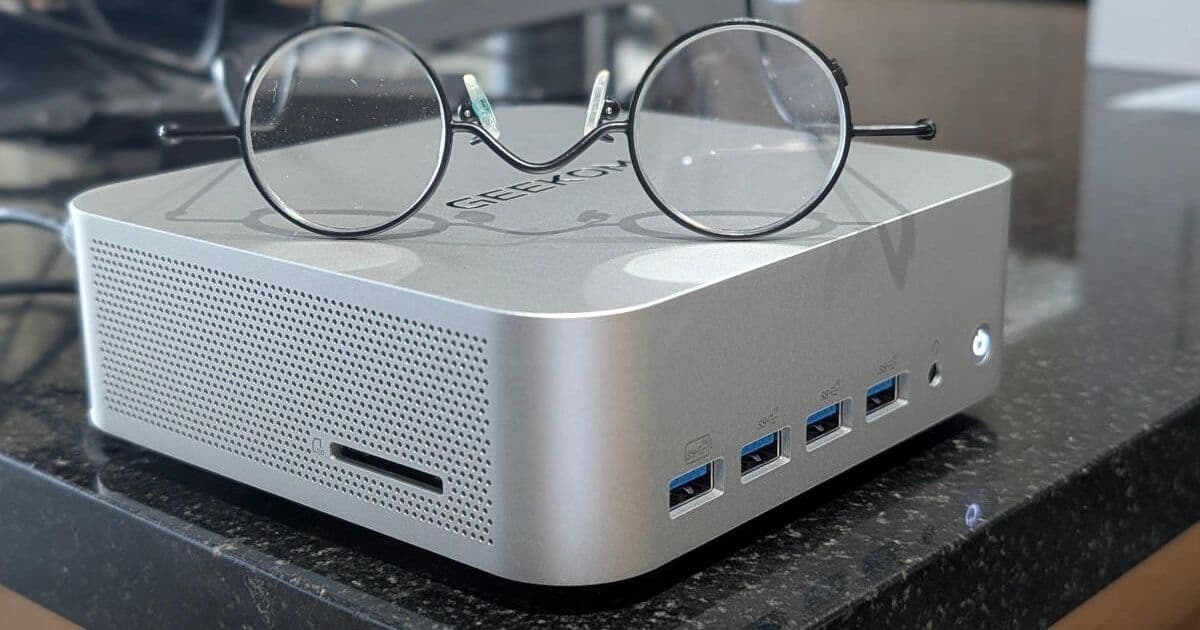
ZDNET's hands-on review of the Geekom A9 Max AI mini PC reveals impressive AMD Ryzen AI 9 HX 370 hardware capable of local LLM execution, but Windows 11's resource demands create noticeable performance drag compared to Linux. This $999 powerhouse offers desktop-level specs in a palm-sized chassis, though its cooling fans roar under heavy AI workloads.
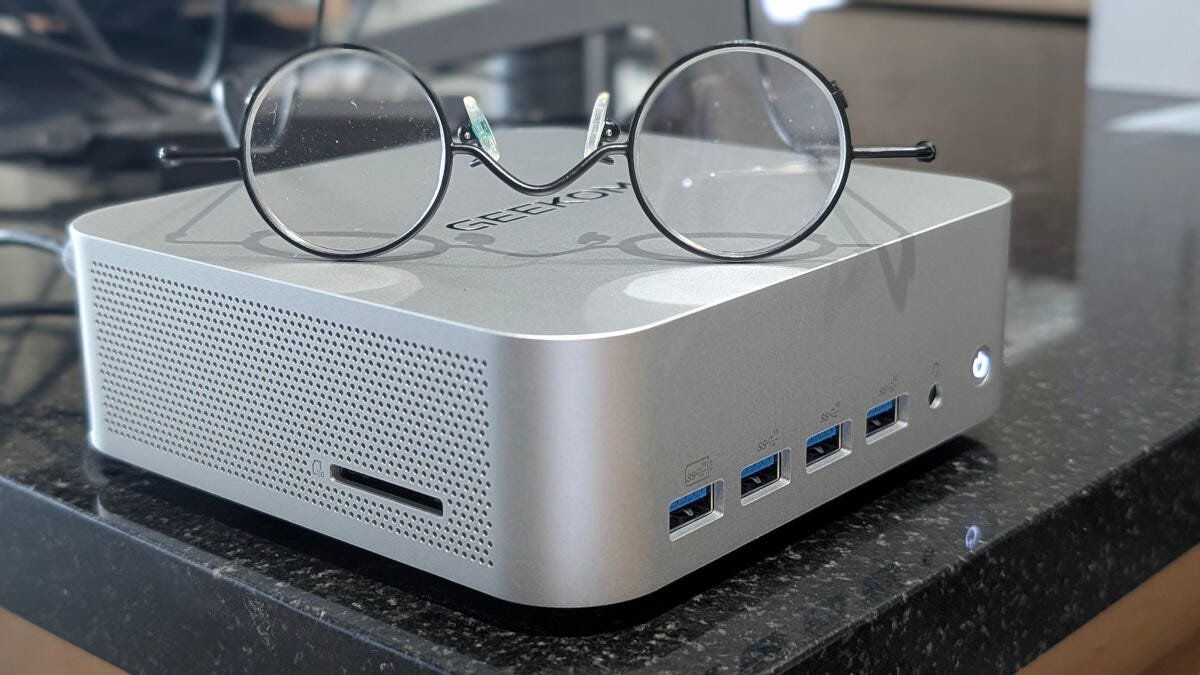
When a palm-sized PC boasting AMD's Ryzen AI 9 HX 370 processor and claims of "80 TOPS of AI acceleration" lands on your desk, expectations run high. The Geekom A9 Max AI, priced at $999, promises desktop-tier performance in a 135mm x 132mm chassis. But during ZDNET's testing, a critical bottleneck emerged: Windows 11 itself.
Hardware Muscle Meets OS Inefficiency
Spec-wise, the A9 Max impresses:
- CPU: AMD Ryzen AI 9 HX 370 (up to 54W TDP)
- GPU: AMD Radeon 890M (RDNA 3.5)
- RAM: Up to 128GB DDR5-5600MHz
- Storage: Dual M.2 NVMe slots (PCIe 4.0)
- AI: Dedicated NPU (50 TOPS), Total 80 TOPS
- Connectivity: Wi-Fi 7, Bluetooth 5.4, Dual 2.5GbE, USB4
Initial setup, however, highlighted Windows 11's drawbacks. "It took a long time before I could even use it," notes ZDNET's Jack Wallen, citing protracted updates and login procedures. This friction foreshadowed deeper performance issues.
Local AI: Windows Drag vs. Linux Efficiency
The "AI" designation begs testing. Wallen installed Ollama and ran the 9GB deepseek-r1:8b LLM locally, comparing results against a Linux-powered System76 Thelio desktop:
# Benchmark Command Example
ollama run deepseek-r1:8b "What is Linux?"
Results were telling:
- Speed: A9 Max (Win11) answered in ~68 seconds vs. Thelio (Linux) in ~162 seconds.
- Quality: The Linux-generated response was "considerably longer and more in-depth" with superior grammar.
Pushing further with the massive gpt-oss:120b model, the A9 Max completed the task in nearly 5 minutes—impressive for its size sans discrete GPU, but accompanied by significant fan noise. "I could hear the fans running from within another room," Wallen reports.
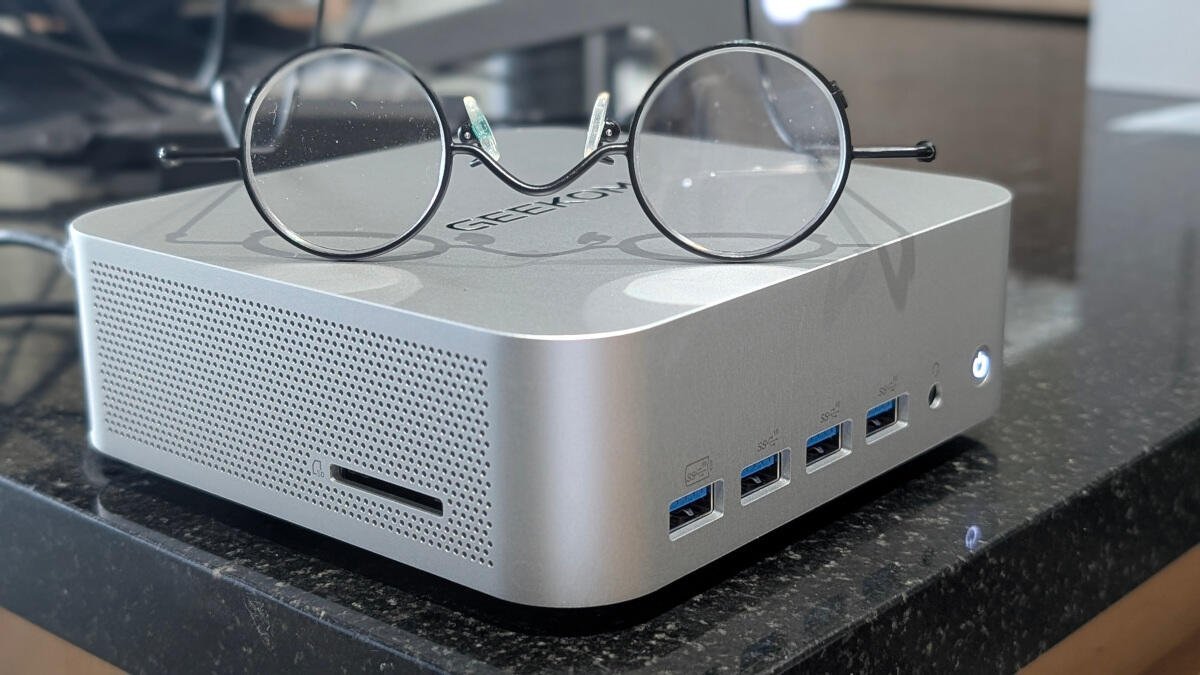 The Geekom A9 Max AI's rear ports offer extensive connectivity, including dual HDMI 2.1 and USB4.
Beyond AI: Real-World Application Performance
Under traditional workloads (LibreOffice, GIMP, VirtualBox), the hardware shone. Creating an Ubuntu VM allocated 10GB RAM and 4 cores (of 32GB/24 cores total) demonstrated raw capability, though fans again ramped up noticeably. Crucially, the Ubuntu VM "ran circles around Windows 11, even though it had a third of the RAM and a sixth of the CPU cores," underscoring Windows' resource overhead.
The Verdict: Power Hamstrung by Platform?
At $999, the Geekom A9 Max AI delivers remarkable density:
- Pros: Exceptional specs for size, capable local AI performance, extensive I/O, competitive price for components.
- Cons: Noisy fans under load, Windows 11 significantly impacts efficiency/UX.
Wallen's conclusion cuts to the core: "This little machine handled everything I could throw at it, and the only reason it blinked was because of Windows 11... If I had taken the time to install Linux on this machine, I can imagine it would perform insanely well."
The A9 Max AI stands as compelling evidence that mini PCs now rival desktops, but also highlights how OS choice dramatically shapes the user experience—especially for developers and AI practitioners prioritizing efficiency. For those willing to ditch Windows, it represents a potent, space-saving powerhouse.
Comments
Please log in or register to join the discussion