
Eclypsium researchers used industrial X-ray imaging to compare counterfeit and authentic USB cables, revealing subtle hardware differences that highlight growing enterprise supply chain vulnerabilities.
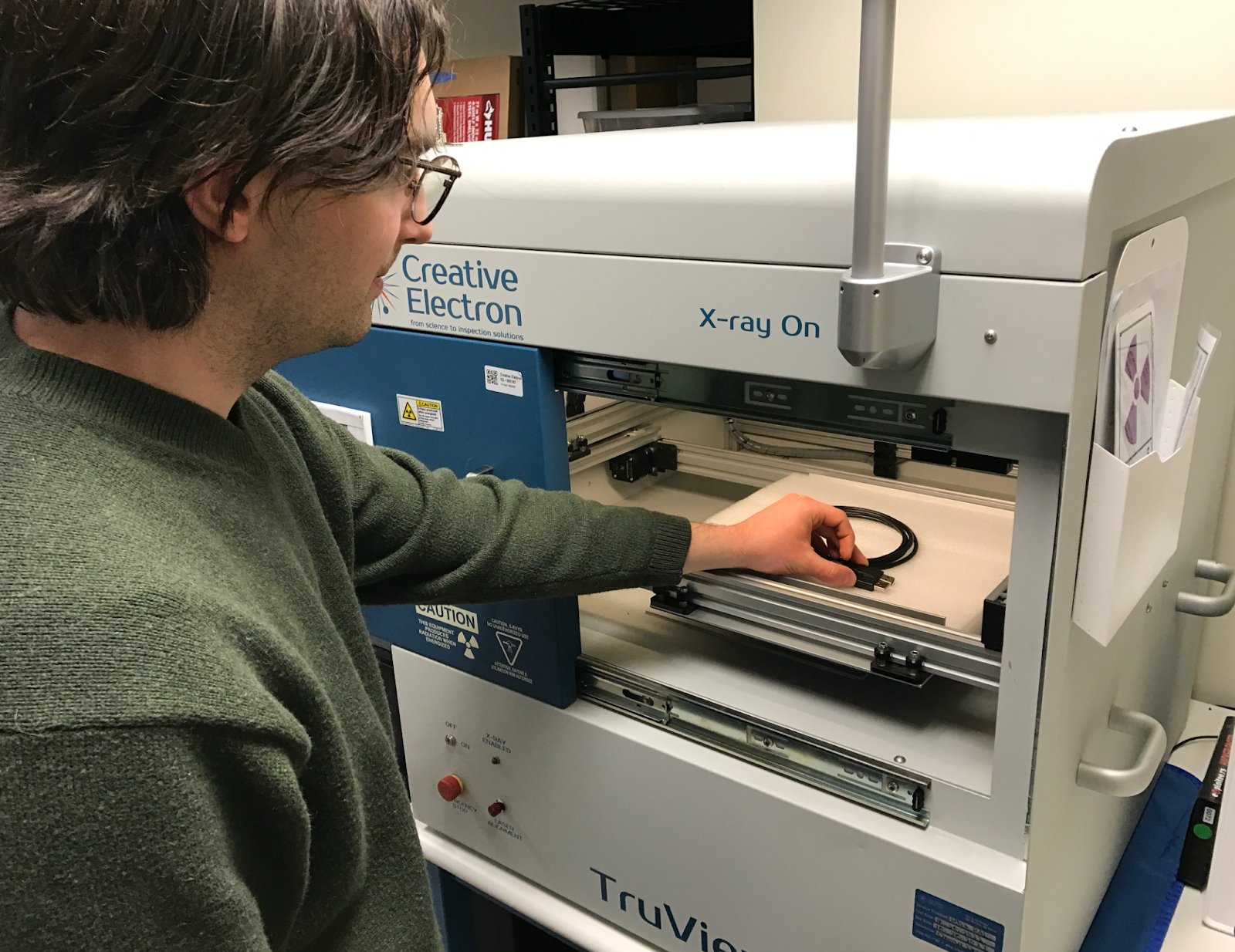
As global supply chains strain under AI infrastructure demands, cybersecurity firm Eclypsium demonstrates how counterfeit hardware infiltrates enterprise environments through mundane peripherals. Their recent experiment x-raying suspect FTDI USB-to-UART cables reveals physical discrepancies invisible to the naked eye, spotlighting systemic vulnerabilities in hardware verification processes.
The investigation began when engineers noticed inconsistent performance in an older USB cable during firmware transfers. While functional at low speeds, it failed under production loads. Replacement cables purchased directly from authorized distributor DigiKey performed flawlessly. This divergence prompted Eclypsium to deploy industrial X-ray equipment typically reserved for analyzing unreleased enterprise hardware.

Two cables underwent scrutiny: the suspicious unit and a verified authentic model. Side-by-side X-rays revealed critical differences:
- Grounding architecture: Authentic cables showed copper ground pours (controversial but industry-standard for EMI reduction)
- Component placement: Decoupling passives positioned nearer to main ICs in genuine units
- Structural integrity: Engineered strain relief and reinforced solder points in authentic connectors
- Thermal management: Thermal pads beneath ICs missing in suspect cable
Counterfeit detection proves challenging even with advanced tools. As one researcher notes: "We found ourselves debating whether our suspect cable was a counterfeit, an older-generation reject, or cloned IP. Without factory records, forensics can only speculate." This ambiguity underscores a key industry tension - while manufacturers like FTDI have deployed driver-level countermeasures against counterfeits (including controversial bricking techniques), physical inspection remains unreliable.
Enterprise implications extend beyond USB cables. Eclypsium has documented cases of gray-market servers containing residual data from previous owners and network switches with pre-installed backdoors. The accelerating AI infrastructure race exacerbates these risks, creating secondary markets where counterfeit components infiltrate data centers through compromised supply chains.
"What's alarming isn't spotting a fake USB cable," the report concludes, "but recognizing how easily these inspection gaps scale to critical infrastructure. When procurement velocity outpaces verification capabilities, enterprises gamble with hardware-level vulnerabilities." As resource competition intensifies for chips and storage, Eclypsium advocates for hardware-focused supply chain security protocols, including component-level verification for sensitive deployments.
Comments
Please log in or register to join the discussion