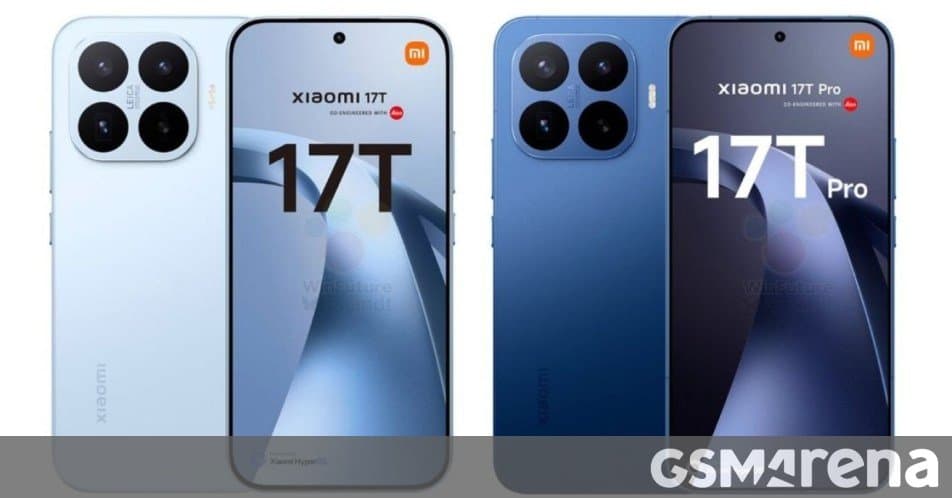
Xiaomi confirms the May 28 release of its 17T series in India, detailing the devices’ Snapdragon 8 Gen 3 chipset, 200 MP main sensor, 120 Hz AMOLED displays and MIUI 15 on Android 14, while examining what the launch means for the brand’s ecosystem in a market that has missed a T‑series flagship for years.
Xiaomi 17T and 17T Pro set for Indian launch on May 28
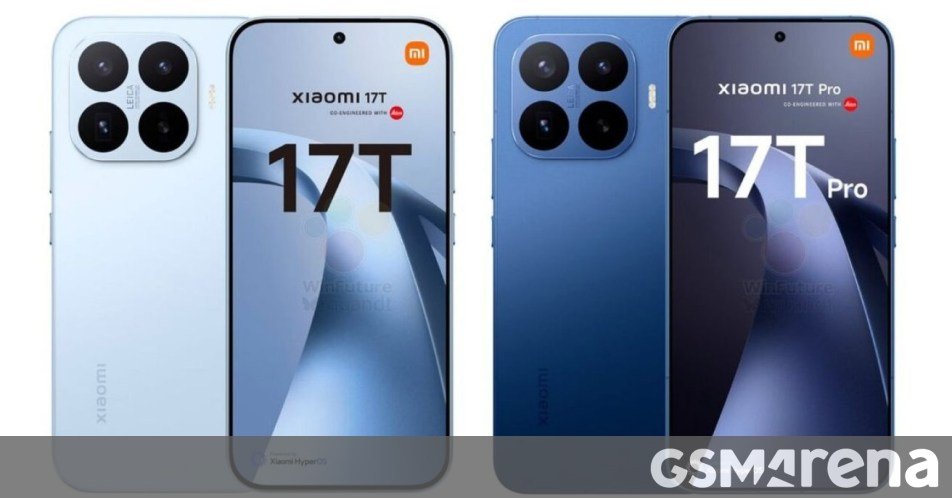
Xiaomi has officially announced that the 17T and 17T Pro will land in India on May 28. The two phones arrive just eight months after the 17 and 17 Pro, a timing shift that signals the company’s intent to keep the momentum going in a market where the T‑series has been absent for several years.
Key specifications
| Feature | Xiaomi 17T | Xiaomi 17T Pro |
|---|---|---|
| Display | 6.74‑inch AMOLED, 120 Hz, 2400×1080 | 6.78‑inch AMOLED, 120 Hz, 3200×1440 |
| Processor | Snapdragon 8 Gen 3 (4 nm) | Snapdragon 8 Gen 3 (4 nm) |
| RAM / Storage | 8 GB / 128 GB or 12 GB / 256 GB | 12 GB / 256 GB or 16 GB / 512 GB |
| Rear cameras | Triple: 200 MP (wide) + 12 MP (ultrawide) + 8 MP (telephoto) | Triple: 200 MP (wide) + 12 MP (ultrawide) + 10 MP (periscope, 5× optical) |
| Front camera | 32 MP | |
| Battery | 5,000 mAh, 67 W fast charge | |
| OS | MIUI 15 based on Android 14 | |
| Other features | NFC, IR blaster, dual‑SIM, Wi‑Fi 7, X‑Mode AI photography | |
| Price (expected) | ₹39,999 – ₹44,999 | ₹59,999 – ₹64,999 |
Both models run MIUI 15, Xiaomi’s latest skin that builds on Android 14. The UI adds deeper integration with the Mi ecosystem – from the Mi Smart Home hub to the Mi Wearables line – and introduces a new “Device Sync” panel that lets users control a Mi TV, earbuds, and the upcoming Mi Smart Band from a single shortcut.
Why the rapid follow‑up?
Historically, Xiaomi spaced its flagship releases about a year apart. The 17 series debuted in September 2025, and the 17T series follows in May 2026, a gap of eight months. Analysts suggest two main reasons:
- Supply‑chain smoothing – By shortening the cycle, Xiaomi can keep its flagship components (Snapdragon 8 Gen 3, 200 MP sensors) in production longer, reducing the risk of shortages that plagued the 2024 launch of the 13 Ultra.
- Competitive pressure – Samsung and Apple have been tightening their release calendars in India, and the Indian market is now the fastest‑growing segment for premium smartphones. An earlier launch helps Xiaomi stay top‑of‑mind when consumers start budgeting for a new device.
Ecosystem implications for Indian users
Xiaomi’s ecosystem has traditionally been strongest in China, where Mi Home devices, Mi Band wearables, and the Mi AI speaker are tightly linked. In India, the ecosystem is still fragmented, but the 17T launch could shift that balance in several ways:
- Mi Home integration – The new “Device Sync” panel in MIUI 15 will automatically detect compatible Mi devices on the same Wi‑Fi network. For Indian users who already own a Mi TV or Mi Smart Plug, the phones become a central remote, encouraging further purchases.
- Mi Wearables – The 17T Pro ships with a Mi Band 8 bundle in select regions. The band’s health tracking data syncs directly to the phone’s Health app, and the data can be exported to Google Fit, reducing lock‑in concerns for users who rely on third‑party services.
- Mi Cloud vs. Google – Xiaomi continues to offer its own Mi Cloud backup for photos and settings. However, the service is limited to 100 GB for free accounts in India, compared with Google’s 15 GB free tier. Users will need to decide whether the convenience of a single‑brand backup outweighs the extra cost.
- Regional services – Xiaomi has partnered with Indian telecoms to provide Xiaomi Pay (a QR‑code based payment system) pre‑installed on the 17T line. While it competes with UPI apps, the integration with Mi devices could create a modest incentive for users to stay within the Xiaomi ecosystem.
Overall, the launch nudges Indian consumers toward a more cohesive Xiaomi experience, but the company still leaves room for cross‑platform flexibility.
What this means for the market
- Pricing pressure – The 17T’s starting price under ₹45,000 puts it squarely against the Samsung Galaxy S23 FE and the OnePlus 12R. Xiaomi’s aggressive pricing, combined with the 67 W charger included in the box, could attract price‑sensitive buyers looking for flagship‑level performance.
- Supply outlook – Early reports suggest that the 17T Pro will have a more limited stock in India, likely due to the higher‑end components (periscope lens, larger RAM). Retailers may prioritize the standard 17T for mass distribution, with the Pro reserved for online flash sales.
- Software support – Xiaomi has pledged four major Android updates and five years of security patches for the 17T series. This commitment is longer than many Indian competitors and could be a decisive factor for users who keep devices for several years.
Looking ahead
The official launch event, scheduled for early May, is expected to showcase the phones’ camera capabilities, especially the 200 MP sensor’s ability to produce 8K video at 30 fps. It will also likely reveal the next generation of Mi Smart Home devices that will dovetail with the 17T series.
For Indian fans of the T‑series, the arrival of the 17T and 17T Pro marks a return after a multi‑year hiatus. Whether the ecosystem lock‑in proves attractive will depend on how quickly Xiaomi expands its local services and accessories.
Stay tuned for live coverage of the launch event and hands‑on reviews once the devices hit Indian stores.
Comments
Please log in or register to join the discussion