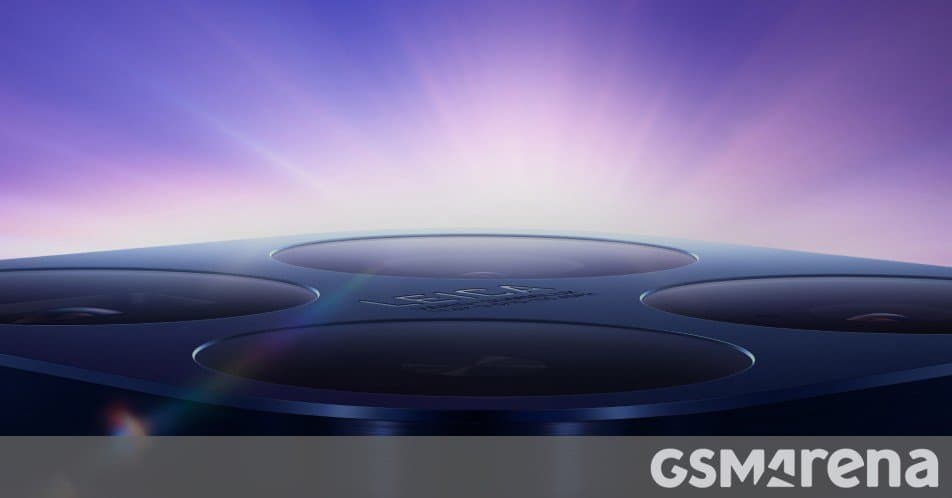
Xiaomi has confirmed the launch date for its highly anticipated 17T series, positioning it as the biggest T Series upgrade yet. With MediaTek chipsets, advanced camera systems, and significant battery improvements, the 17T and 17T Pro models are set to make a strong impact in the mid-range to flagship smartphone market.
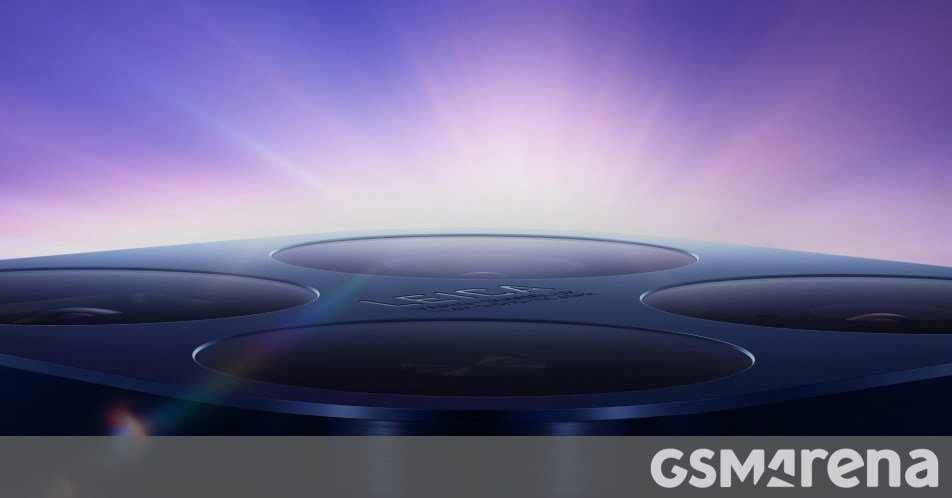
Xiaomi has officially confirmed that its upcoming 17T series will launch on May 28, 2026, putting an end to weeks of speculation and leaks. The company has described this iteration as "the biggest T Series upgrade yet," suggesting substantial improvements over previous generations in Xiaomi's popular T lineup.
The 17T series will consist of two models: the standard 17T and the higher-tier 17T Pro. Both devices are expected to bring significant upgrades in terms of performance, display technology, camera capabilities, and battery life, positioning Xiaomi competitively in the mid-range to upper mid-segment of the smartphone market.
Processor and Performance
One of the most anticipated aspects of the 17T series is the processor configuration. According to leaks and industry sources, both models will be powered by MediaTek chipsets, but with different tiers of performance. The standard 17T is expected to feature the Dimensity 8500-Ultra, while the 17T Pro will likely come equipped with the flagship Dimensity 9500 System-on-Chip (SoC).
The Dimensity 9500 represents MediaTek's current flagship offering, bringing significant improvements in CPU and GPU performance compared to its predecessor. This chipset is built on a more advanced manufacturing process, likely TSMC's 4nm node, which should deliver better power efficiency alongside increased processing power. For consumers, this means smoother multitasking, improved gaming performance, and better AI capabilities.
The Dimensity 8500-Ultra, while not flagship-tier, still offers substantial processing power that should handle everyday tasks and even demanding applications with ease. This positioning allows Xiaomi to offer a differentiated experience between the two models while maintaining competitive pricing across the range.
Display Technology
Display capabilities appear to be another area where the 17T series brings notable improvements. Both models will feature AMOLED panels, but with some key differences. The 17T Pro is expected to sport a larger 6.83-inch display with FHD+ resolution and a 144Hz refresh rate, while the standard 17T will have a slightly smaller 6.59-inch AMOLED screen with FHD+ resolution and a 120Hz refresh rate.
The higher refresh rate on the Pro model not only provides smoother scrolling and animations but also enhances the gaming experience. The larger screen size on the Pro model also makes it more attractive for media consumption and productivity tasks. Both displays should benefit from AMOLED technology's advantages, including deep blacks, vibrant colors, and excellent contrast ratios.
Camera System
Camera capabilities have been a focus area for Xiaomi's T series, and the 17T models appear to continue this trend. Both phones will feature triple rear camera setups, with 50MP main sensors, though with different specifications. The 17T is rumored to include a Light Fusion 800 main sensor, while the 17T Pro is expected to carry the more advanced Light Fusion 950 sensor.
The Light Fusion 950 sensor, likely a newer generation from Xiaomi's imaging partner OmniVision, should offer improved low-light performance, better dynamic range, and enhanced computational photography capabilities. The Light Fusion 800, while not as advanced, should still deliver solid image quality in various conditions.
Both models are expected to share the same secondary cameras: a 50MP telephoto lens with 5x optical zoom and a 12MP ultrawide lens. This configuration provides versatility for different shooting scenarios, from wide landscape shots to detailed zoomed-in photos. The inclusion of a dedicated telephoto lens with optical zoom is particularly noteworthy in this price segment, as many competitors rely solely on digital zoom.
Battery and Charging
Battery life and charging speeds have been areas where Xiaomi's T series has traditionally excelled, and the 17T models appear to continue this trend. The standard 17T is expected to launch with a 6,500mAh battery, paired with 67W wired charging. This combination should easily support a full day of heavy usage with power to spare.
The 17T Pro takes this further with a larger 7,000mAh battery and faster charging capabilities. It's rumored to support 100W wired charging and 50W wireless charging. The inclusion of wireless charging at this price point is particularly noteworthy, as it's typically reserved for more expensive flagship devices. The combination of a large battery and fast charging addresses two key concerns for smartphone users: battery anxiety and the inconvenience of long charging times.
Design and Build Quality
While the article doesn't provide detailed information about design, previous leaks and Xiaomi's recent design language suggest that the 17T series will feature sleek, modern designs with premium materials. The inclusion of AMOLED displays with high refresh rates indicates that Xiaomi is focusing on both aesthetics and user experience.
The Pro model is expected to have a slightly larger form factor due to its bigger display, but both models should maintain comfortable dimensions for one-handed use. Build quality is likely to include glass backs with plastic frames, a common combination in this price segment that balances premium feel with durability.
Pricing and Market Positioning
Pricing information suggests that Xiaomi is targeting the upper mid-range to lower flagship segment with the 17T series. The standard 17T (12/256GB configuration) is rumored to start at €749 ($878) in Europe, while the 17T Pro (12/512GB) is expected to start at €999 ($1,170).
This pricing positions the 17T series competitively against offerings from brands like Samsung's A series, Google's Pixel a-line, and other Chinese manufacturers. The value proposition appears strong, especially considering the specifications on offer, particularly in the Pro model with its flagship processor, high-refresh-rate display, and advanced camera system.
Ecosystem Integration
As part of Xiaomi's broader ecosystem, the 17T series will likely integrate well with other Xiaomi products, including smart home devices, wearables, and accessories. Xiaomi's MIUI software, based on Android, will likely include features that enhance this ecosystem integration, such as seamless device switching, shared clipboard functionality, and unified notifications.
The inclusion of fast charging capabilities also suggests compatibility with Xiaomi's charging ecosystem, including its proprietary chargers and potentially wireless charging pads. This ecosystem approach adds value beyond the device itself, particularly for users already invested in Xiaomi's product ecosystem.
Software and Updates
While not explicitly mentioned in the source article, Xiaomi's recent track record with software updates suggests that the 17T series will receive regular security updates and at least two major Android version updates. MIUI, Xiaomi's custom skin, typically offers a range of customization options and features beyond stock Android, though it has sometimes been criticized for including bloatware and occasional performance issues.
The transition to newer MediaTek chipsets may also bring improvements in AI capabilities and computational photography features, which Xiaomi is likely to highlight in its marketing. These features could include enhanced portrait mode, improved night photography, and AI-powered scene optimization.
Market Context and Competition
The smartphone market in 2026 continues to be highly competitive, with manufacturers constantly pushing the boundaries of what's possible in mid-range devices. Xiaomi's T series has traditionally occupied a sweet spot in the market, offering features typically found in more expensive devices at a more accessible price point.
The 17T series enters a market where consumers have increasingly high expectations for smartphones, particularly in terms of display quality, camera performance, and battery life. By incorporating flagship-level processors in the Pro model and advanced camera systems across the range, Xiaomi is positioning the 17T series to compete effectively against established players and emerging brands.
The inclusion of MediaTek processors rather than Qualcomm's Snapdragon chips is an interesting choice, likely driven by cost considerations and MediaTek's improved competitive position in the chipset market. MediaTek's recent chips have closed the performance gap with Qualcomm's offerings while often providing better value, making them an attractive option for manufacturers like Xiaomi.
Potential Impact and Conclusion
The Xiaomi 17T series appears set to make a significant impact in the mid-range to upper mid-segment of the smartphone market. By incorporating advanced features typically found in more expensive devices, Xiaomi is continuing its strategy of offering premium experiences at accessible price points.
The official launch on May 28 will provide an opportunity for Xiaomi to showcase these devices and demonstrate how they fit into its broader product ecosystem. For consumers, the 17T series offers compelling options across different price points, with the Pro model particularly standing out for its combination of flagship processor, high-refresh-rate display, advanced camera system, and fast charging capabilities.
As smartphone innovation continues to evolve, Xiaomi's T series represents an important part of the company's portfolio, balancing technological advancement with market accessibility. The 17T series, with its "biggest T Series upgrade yet" positioning, suggests that Xiaomi is committed to pushing boundaries in this segment and maintaining its competitive edge in an increasingly crowded market.
Comments
Please log in or register to join the discussion