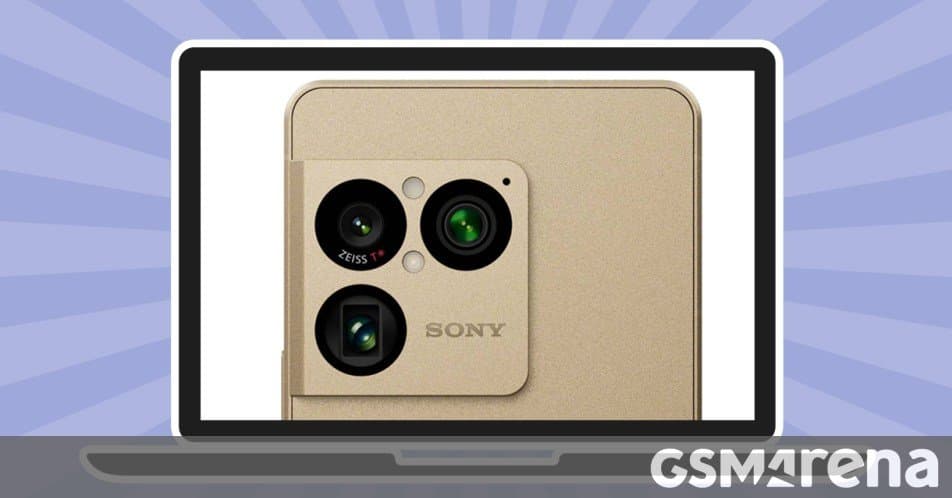
Sony’s Xperia 1 VIII brings a larger telephoto sensor and Snapdragon 8 Elite Gen 5 to its classic 4K‑display chassis, while Xiaomi’s upcoming 17 Max pushes battery capacity and megapixel counts to new extremes. Both phones illustrate how flagship specs are becoming differentiators in increasingly locked‑in Android ecosystems.
Sony Xperia 1 VIII – classic design, upgraded optics
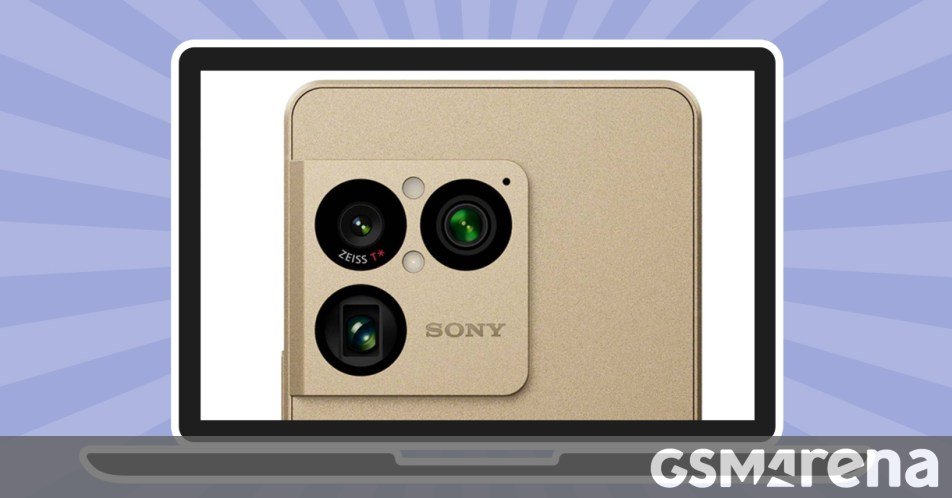 Sony finally lifted the veil on the Xperia 1 VIII, the eighth iteration of its flagship line that has always championed a 21:9 4K OLED panel and a focus‑first camera suite. The most noticeable hardware change is the new 48 MP telephoto sensor (1/1.56‑inch, four times larger than the Mark VII’s 12 MP unit). Locked at a 2.9× optical zoom (70 mm equivalent), the sensor promises more detail at medium range, though it drops the continuous‑focus capability that previous Xperia tele lenses offered.
The rest of the camera trio stays familiar: a 24 mm f/1.9 wide‑angle lens and a 16 mm f/2.0 ultrawide lens, both 12 MP. Sony’s software still leans on real‑time eye‑AF and manual controls that appeal to photography enthusiasts.
Under the hood lives the Snapdragon 8 Elite Gen 5 SoC, paired with 12 GB of LPDDR5X RAM and a 5,000 mAh battery. The chipset brings a modest efficiency bump over the previous generation, allowing the 4K display to run at 60 Hz without draining the battery too quickly. Storage starts at 512 GB UFS 4.0, and the phone ships in Europe for €1,500 / £1,400.
Ecosystem implications
Sony bundles the Xperia 1 VIII with a free pair of WH‑1000XM6 headphones for European pre‑orders, reinforcing its audio‑centric brand identity. The device runs Android 13 with Sony’s custom UI, which continues to prioritize side‑by‑side multitasking and external display support. However, the lack of a dedicated Google Play Services update schedule means users will rely on Sony’s slower rollout cadence, a factor that can push power users toward more tightly integrated ecosystems like Samsung’s One UI or Google’s Pixel line.
Xiaomi 17 Max – size, power, and megapixels
Xiaomi confirmed that the 17 Max will hit Chinese shelves later this month. The phone follows the company’s recent trend of pushing extreme specifications to attract attention.
Key specs:
- 6.9‑inch flat AMOLED, 1440p resolution, 120 Hz refresh rate
- Snapdragon 8 Elite Gen 5 (same silicon as the Xperia 1 VIII)
- 8,000 mAh battery with 100 W wired charging
- Triple‑camera stack:
- 200 MP 1/1.4‑inch main sensor (large pixel size for daylight detail)
- 50 MP periscope telephoto (up to 5× optical zoom)
- 50 MP ultrawide
- 12 GB RAM, 512 GB UFS 4.0 storage
The camera hardware is undeniably impressive, but Xiaomi’s MIUI software still adds a layer of customisation that can feel heavy compared with stock Android. The massive battery will likely translate to a bulkier chassis, raising questions about ergonomics for everyday use.
Ecosystem lock‑in
Xiaomi continues to deepen its Mi Cloud and Mi Home integration, offering seamless control of its expanding IoT lineup (smart bulbs, vacuum robots, and AI speakers). Users who already own Xiaomi wearables or smart home devices will find the 17 Max a natural hub. Conversely, the device does not support Google’s Fast Pair out of the box, and some regional firmware builds lack Google Play Services, nudging users toward the Xiaomi ecosystem for full functionality.
Comparing the two flagships
| Feature | Sony Xperia 1 VIII | Xiaomi 17 Max |
|---|---|---|
| Display | 6.5‑inch 4K OLED, 21:9 | 6.9‑inch 1440p AMOLED, 20:9 |
| SoC | Snapdragon 8 Elite Gen 5 | Snapdragon 8 Elite Gen 5 |
| Main Camera | 12 MP (24 mm) + 48 MP tele (2.9×) + 12 MP ultra | 200 MP (wide) + 50 MP tele + 50 MP ultra |
| Battery | 5,000 mAh | 8,000 mAh |
| Charging | 65 W wired | 100 W wired |
| RAM / Storage | 12 GB / 512 GB | 12 GB / 512 GB |
| OS | Android 13 + Sony UI | Android 13 + MIUI 15 |
| Price (launch) | €1,500 / £1,400 | TBD (China) |
Both phones share the same flagship processor, but they target different user priorities. Sony leans into a refined multimedia experience with a 4K screen and a heritage of manual camera controls, while Xiaomi aims for raw specs—massive sensor counts and a battery that can survive two days of heavy use.
What this means for Android users
The Xperia 1 VIII and 17 Max illustrate two diverging strategies in the Android flagship market:
- Specialised experience vs. spec‑maxing – Sony bets on a cohesive media‑first workflow, whereas Xiaomi pushes the envelope on numbers to attract attention.
- Ecosystem dependence – Sony’s partnership with Sony audio gear and its slower software updates push users toward a more closed‑loop experience. Xiaomi’s deep Mi ecosystem rewards owners of its smart devices but can alienate those who prefer Google‑first services.
- Future‑proofing – Both devices ship with UFS 4.0 and the same SoC, meaning raw performance will be comparable for the next two years. The deciding factor will likely be how comfortable users are with each brand’s software update cadence and accessory ecosystem.
Bottom line
If you value a crisp 4K display, reliable camera ergonomics, and a premium audio bundle, the Xperia 1 VIII is a solid, albeit pricey, choice. If you crave the highest‑resolution sensors, an enormous battery, and already own Xiaomi smart‑home gear, the 17 Max will feel like a natural extension of your existing setup. Both phones reinforce the notion that flagship Android devices are becoming increasingly tied to their manufacturers’ broader ecosystems, making the decision as much about software and accessories as about raw hardware.
For more details on the Xperia 1 VIII pre‑order and the Xiaomi 17 Max launch, see the official Sony and Xiaomi announcements.
Comments
Please log in or register to join the discussion