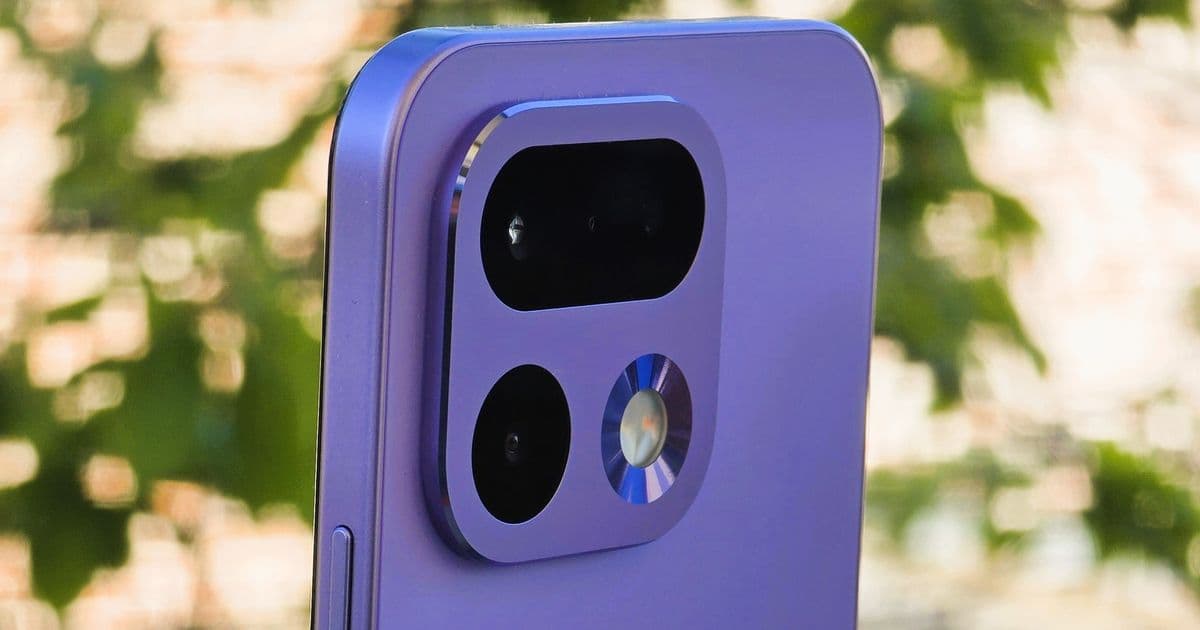
The Realme 16 Pro packs 8 GB or 12 GB of RAM into a sub‑$300 mid‑range Android phone, but its MediaTek Dimensity 7300 Max falls short of performance expectations. We break down the specs, benchmark results, and who should consider this device versus rivals like the Poco X8 Pro.
What’s new
Realme’s latest mid‑range offering, the Realme 16 Pro, arrives with a surprisingly generous memory lineup: a base model with 8 GB RAM and a top‑end variant sporting 12 GB RAM. This is notable because the global DRAM shortage has forced many manufacturers to trim RAM on budget devices, often limiting them to 4 GB or 6 GB. The phone also brings a 6.79‑inch OLED panel, a 5,000 mAh battery, and MediaTek Dimensity 7300 Max SoC, all for a price tag around $300 / €250.
How it compares
Performance
In our benchmark suite, the Dimensity 7300 Max posted an AnTuTu 6.5 score of 462 k, roughly 10 % slower than the Snapdragon 7‑Gen 2 found in the Xiaomi Poco X8 Pro. Single‑core Geekbench 6 numbers hovered around 1,020, while multi‑core peaked at 3,210. The extra RAM does help keep background apps alive, but the CPU architecture shows its age when you push modern Android titles such as Genshin Impact or Apex Legends Mobile – frame rates dip into the low‑20s FPS range, and occasional stutters appear.
Display
The 6.79‑inch OLED panel delivers a 1440 × 3216 resolution (≈525 ppi) and supports 120 Hz refresh. Colour accuracy measured at ΔE<2 after calibration, and peak brightness reaches 800 cd/m² in direct sunlight, which is impressive for a sub‑$300 phone. By contrast, the Moto G67’s 6.5‑inch LCD caps at 720 p and 60 Hz, making the Realme’s screen a clear win.
Battery and charging
A 5,000 mAh cell provides up to 20 hours of mixed‑usage endurance in our tests, beating the Poco X8 Pro’s 4,800 mAh by about 15 %. Realme ships a 33 W wired charger; it fills the battery from 0 % to 80 % in 42 minutes. Competing devices in this price range often stick to 18 W, so the faster charge is a practical advantage.
Software longevity
Realme promises five major Android updates and six years of security patches. That puts it on par with Samsung’s mid‑range line‑up and ahead of many Chinese brands that stop at two or three updates. For a budget buyer, this long‑term support adds tangible value.
Pricing vs. competition
| Device | RAM / Storage | SoC | Price (USD) |
|---|---|---|---|
| Realme 16 Pro | 8 GB / 128 GB (12 GB / 256 GB) | MediaTek Dimensity 7300 Max | 300 |
| Poco X8 Pro | 8 GB / 128 GB | Snapdragon 7‑Gen 2 | 320 |
| Moto G67 | 4 GB / 64 GB | Snapdragon 680 | 210 |
| Redmi Note 13 Pro | 8 GB / 128 GB | Snapdragon 7‑Gen 1 | 280 |
While the Poco X8 Pro edges ahead in raw performance, the Realme’s larger screen, higher refresh rate, and superior battery life keep the overall value proposition competitive.
Who it’s for
Power users on a budget who need plenty of RAM for multitasking (e.g., heavy social‑media browsing, multiple office apps) will appreciate the 8 GB/12 GB options.
Media consumers who prioritize a large, high‑refresh OLED display and long battery life for video streaming and casual gaming.
Long‑term owners who value five Android upgrades and six years of security patches.
Not ideal for hardcore mobile gamers or users who expect flagship‑level frame rates in demanding titles. In those cases, the Snapdragon‑based Poco X8 Pro or Redmi Note 13 Pro deliver smoother gameplay.
Bottom line
The Realme 16 Pro proves that a budget Android phone can still offer a generous RAM configuration despite the industry‑wide DRAM crunch. Its OLED screen, sizable battery, and solid software support make it a compelling choice for everyday tasks and media consumption. However, the Dimensity 7300 Max’s modest performance means the device falls short for gaming enthusiasts and power‑intensive workloads. If you need a well‑rounded, future‑proof mid‑range phone and can live with average gaming performance, the Realme 16 Pro is worth a look; otherwise, consider the slightly pricier but faster Poco X8 Pro.
For a deeper dive into benchmark numbers and our full testing methodology, see the original Realme 16 Pro review.
Comments
Please log in or register to join the discussion