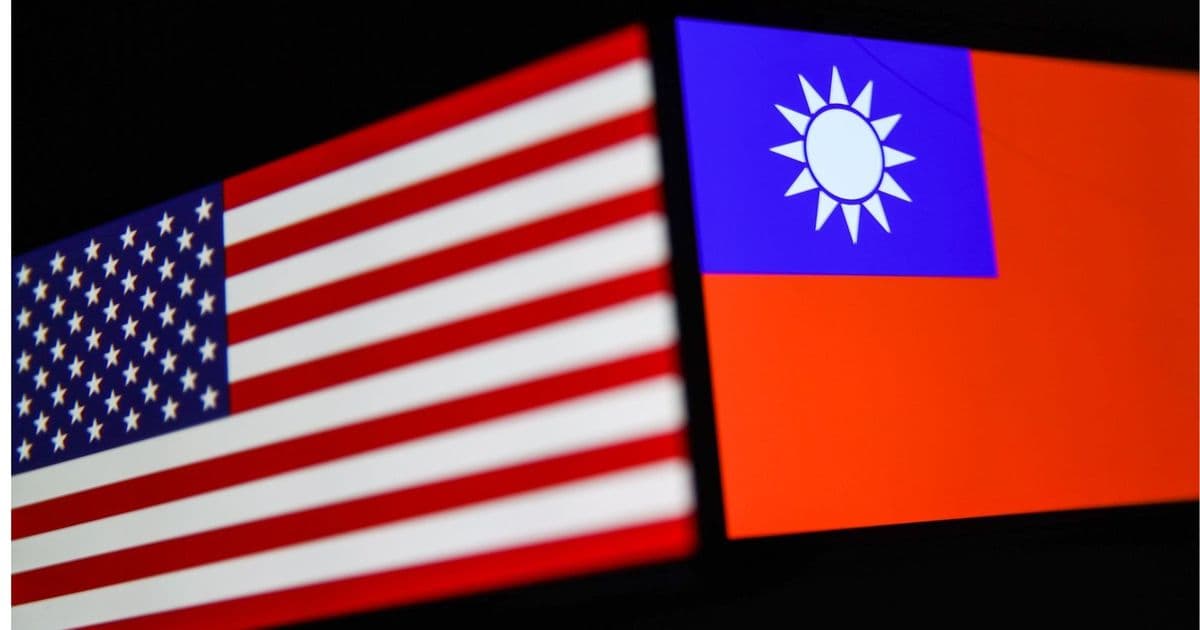
Taiwan’s foreign ministry declared the island a sovereign nation amid mixed messages from the U.S. administration, raising questions about the stability of the semiconductor ecosystem that underpins 40 % of global chip output. The article examines the technical stakes of Taiwan’s advanced nodes, the impact of U.S. policy swings on fab relocation plans, and how the geopolitical tug‑of‑war could reshape supply‑chain risk assessments for manufacturers worldwide.
Announcement
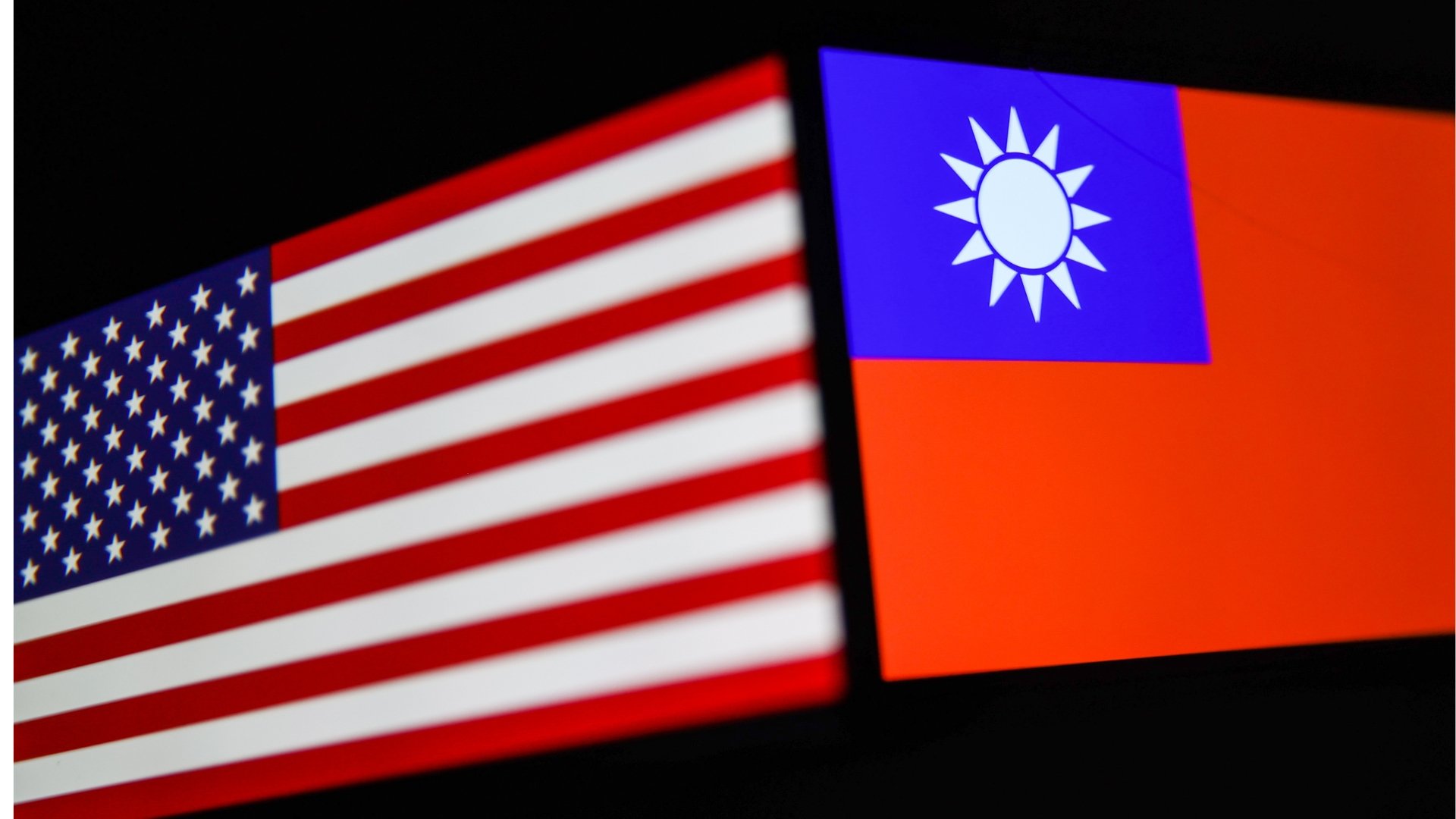
Taiwan’s foreign ministry announced on Saturday that the island is a sovereign and independent democratic nation, explicitly rejecting the claim that it is subordinate to the People’s Republic of China. The declaration arrived less than 24 hours after President Donald Trump, concluding a state visit to Beijing, reiterated his opposition to formal Taiwanese independence and hinted that the pending $14 billion U.S. arms package could be used as a negotiating lever. The juxtaposition of Trump’s remarks with Secretary of State Marco Rubio’s reaffirmation of unchanged U.S. policy creates a volatile backdrop for the semiconductor supply chain that already runs at the edge of capacity.
Technical specs and supply‑chain context
1. Taiwan’s share of advanced node production
- Current output: Taiwan Semiconductor Manufacturing Co. (TSMC) accounts for roughly 55 % of global wafer starts in the 5 nm and 3 nm families, the two most advanced process nodes in volume production.
- Capacity concentration: Over 90 % of the world’s most advanced logic chips (including Apple A‑series, Nvidia GPUs, and Qualcomm Snapdragon SoCs) are fabricated on Taiwanese soil.
- Node performance: The 5 nm process delivers a 20 % speed boost and 30 % power reduction compared with 7 nm, while 3 nm adds another 10 % performance gain and 15 % power savings. These margins are critical for data‑center AI accelerators that consume megawatts of power.
2. U.S. relocation ambitions
- Trump’s target: The president has publicly set a goal of moving 40 %–50 % of global chip production to the United States by the end of his term.
- Existing commitments: TSMC has already pledged $165 billion for the Arizona Fab 2 expansion, slated to start 3 nm production in 2026. Intel’s “IDM 2.0” roadmap adds roughly $20 billion in new fabs across Ohio and Arizona, but these plants will initially target 7 nm and larger nodes.
- Technical trade‑offs: Relocating 5 nm/3 nm capacity to the U.S. faces two major hurdles:
- Equipment lead time – ASML’s extreme‑ultraviolet (EUV) lithography tools have a 5‑year delivery pipeline. Even with aggressive orders, a new fab cannot be operational before 2027.
- Talent and ecosystem – The Taiwanese supply chain includes a dense network of specialized vendors (e.g., advanced CMP, metrology, and test services) that are not yet replicated in the United States. Replicating this ecosystem adds $10 billion‑$15 billion in ancillary investment.
3. Impact of political uncertainty on fab strategy
- TSMC’s “no‑export” stance: In response to U.S. pressure, TSMC announced it will not produce its most advanced nodes outside Taiwan without explicit government approval. This policy protects the company’s IP but also locks the world’s highest‑performance chips to a single geographic risk.
- Defense budget allocation: Taiwan’s parliament approved a $25 billion defense budget, with $9 billion earmarked for the first tranche of the U.S. arms package. The remaining $15 billion+ is pending approval, meaning the final shape of the security umbrella remains fluid.
- Supply‑chain risk metrics: Bloomberg’s latest supply‑chain risk index shows Taiwan’s geopolitical risk score rising from 4.2 to 6.8 (scale 0–10) over the past six months, directly translating into a ~12 % premium on wafer‑level pricing for customers seeking “risk‑mitigated” contracts.
Market implications
Short‑term pricing pressure
- Foundry bookings: TSMC’s Q2 2024 booking list grew 8 % YoY, but customers are increasingly demanding “dual‑source” agreements that include a secondary fab in Singapore or the U.S. This drives a $0.15‑$0.30 per wafer‑hour price uplift for 5 nm capacity.
- Inventory buffers: OEMs such as Apple and Samsung are building 6‑month inventory cushions for 5 nm/3 nm silicon, which could temporarily suppress order growth and tighten cash flow for downstream designers.
Long‑term strategic shifts
- Diversification incentives: Companies like AMD and Nvidia are accelerating chiplet‑centric designs that can be partitioned across multiple fabs (e.g., 7 nm logic in the U.S., 5 nm memory in Taiwan). This modular approach reduces single‑point‑of‑failure risk but adds design‑validation overhead estimated at $200 million per new product family.
- Policy‑driven subsidies: The U.S. CHIPS Act continues to fund $52 billion in manufacturing incentives. However, the “national security” clause now requires recipients to certify that a majority of their most advanced nodes remain outside “high‑risk” regions, effectively cementing Taiwan’s role unless a major geopolitical shift occurs.
- Investor sentiment: Semiconductor‑focused ETFs (e.g., SOXX) have seen a 3 % dip since the sovereignty announcement, reflecting heightened uncertainty. In contrast, Taiwanese equities (e.g., TSMC’s ticker 2330) remain relatively stable, buoyed by the firm’s massive cash reserves and long‑term contracts.
Supply‑chain risk mitigation recommendations
- Multi‑fab contracts – Secure at least 30 % of wafer volume from a non‑Taiwan source for 5 nm and smaller nodes. This can be achieved through strategic partnerships with Samsung’s 4 nm line or Intel’s upcoming 7 nm “Intel 4” platform.
- Inventory diversification – Maintain dual‑stockpiles of critical IP blocks (e.g., GPU shaders, AI matrix engines) in both Taiwan and U.S. fabs to avoid production stalls during geopolitical flashpoints.
- EUV capacity planning – Allocate 15 % of EUV tool orders to emerging fab locations (e.g., Germany’s “EUV Cluster”) to hedge against potential export controls on Dutch‑made lithography equipment.
Conclusion
Taiwan’s declaration of sovereignty adds a new variable to an already complex semiconductor supply chain. While the island continues to dominate the most advanced process nodes, U.S. policy oscillations and the looming $14 billion arms package create a risk environment that could accelerate fab diversification and reshape pricing dynamics. Companies that embed multi‑fab strategies, invest in inventory buffers, and monitor geopolitical risk scores will be better positioned to navigate the next wave of supply‑chain volatility.
For further reading on TSMC’s Arizona expansion, see the official TSMC announcement.
Comments
Please log in or register to join the discussion