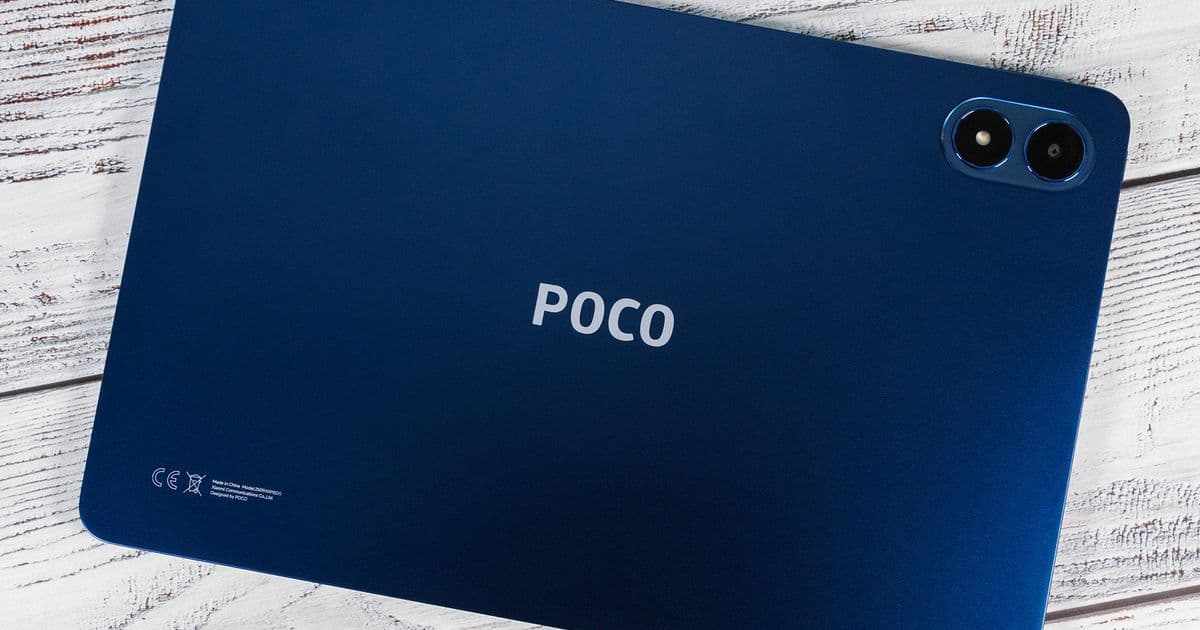
The Xiaomi Poco Pad M1 offers a compelling package with its expansive 12.1-inch display, solid performance from the Snapdragon 7s Gen 4, and excellent battery life, though it makes some compromises in audio quality and camera capabilities.
The Xiaomi Poco Pad M1 enters the crowded mid-range tablet market with a clear focus: delivering a large-screen experience at an accessible price point. After extensive testing, this tablet proves to be a well-rounded device that excels in several key areas while making reasonable compromises in others.
Design and Build Quality
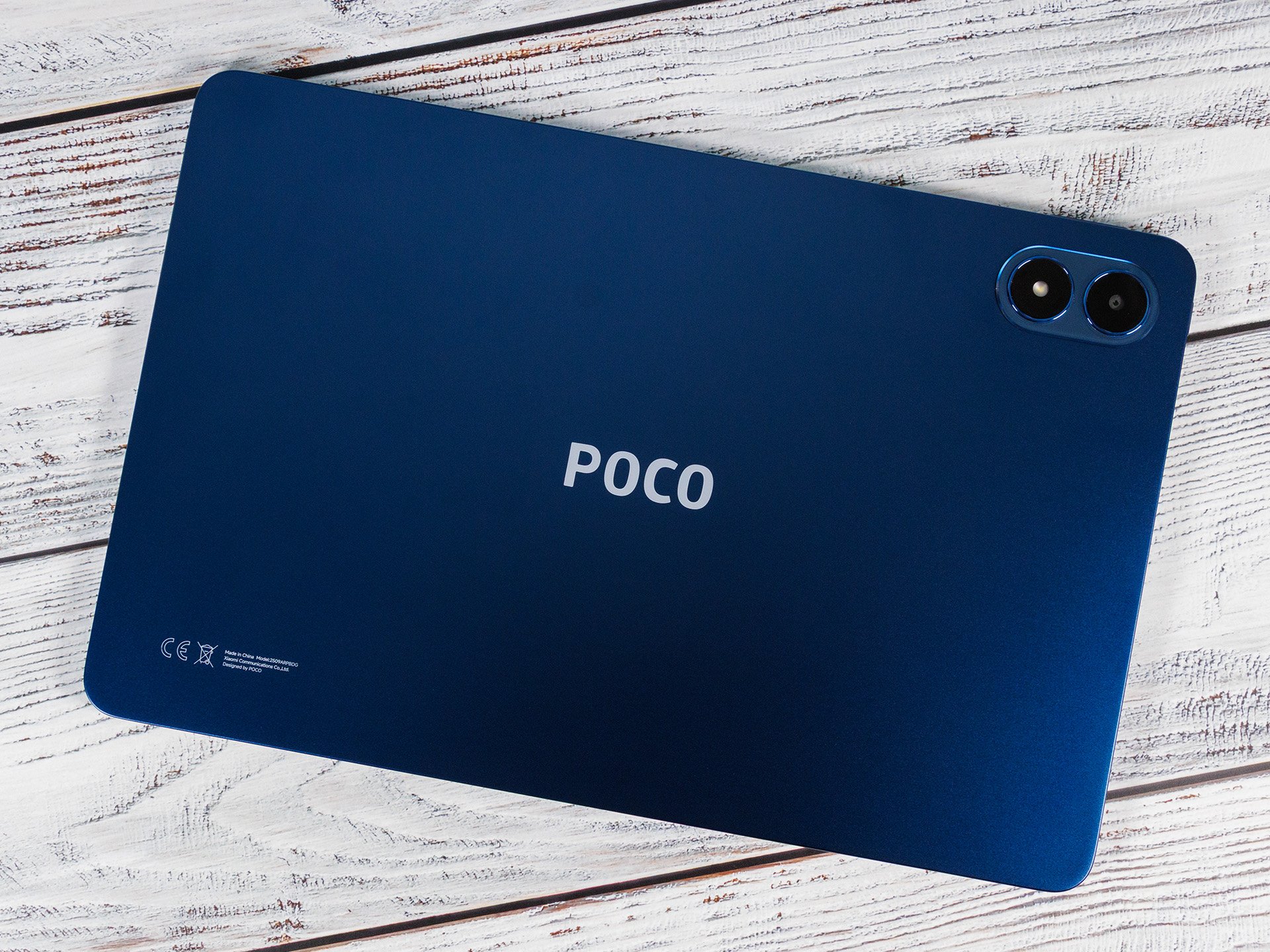
The Poco Pad M1 features an aluminum unibody construction that immediately conveys quality. The build feels robust and premium, with clean craftsmanship throughout. At 12.1 inches, this is a substantial tablet that prioritizes screen real estate over portability, though the weight distribution remains balanced enough for comfortable use.
Xiaomi offers the Pad M1 in a single configuration: 8 GB of RAM paired with 256 GB of UFS 2.2 storage. While this limits customization options, the included microSD slot provides expansion flexibility. The retention of a 3.5mm headphone jack is a welcome feature for users who prefer wired audio connections.
Display Excellence
Where the Poco Pad M1 truly shines is its display. The 12.1-inch LCD panel delivers accurate colors and impressive contrast thanks to a low black level. The adaptive refresh rate, which can reach up to 120Hz, provides smooth scrolling and responsive touch interactions while intelligently adjusting to conserve battery life.
A significant advantage for eye comfort is the flicker-free display technology that eliminates PWM (Pulse Width Modulation), reducing eye strain during extended use. However, outdoor visibility is somewhat limited by brightness levels that struggle in direct sunlight. The display supports only one HDR standard, which may disappoint users with extensive HDR content libraries.
Performance and Software
Powered by the Snapdragon 7s Gen 4 processor, the Pad M1 handles everyday tasks with ease. Web browsing, media consumption, and productivity apps run smoothly, though the chipset's limitations become apparent with very demanding applications or intensive multitasking scenarios.
Software support presents an interesting discrepancy. While the EPREL database indicates five years of updates (extending to at least 2030), community discussions suggest support until 2029. This extended support period is notably generous for a mid-range tablet and adds significant long-term value.
The touchscreen demonstrates excellent precision and works seamlessly with the optional Poco Smart Pen, making the tablet suitable for note-taking and creative applications.
Connectivity and Features
The Poco Pad M1 adopts a focused connectivity approach. It includes Wi-Fi 6 with support for the 6GHz band, enabling high data rates for fast wireless performance. However, the tablet omits several features: no 5G cellular option, no NFC for contactless payments, and no vibration motor for haptic feedback.
Audio Performance
The quad-speaker setup with Dolby Atmos support sounds only average in testing. The audio output tends toward hollow and lacks the depth and richness found in higher-end tablets. While adequate for casual media consumption, audiophiles or users who prioritize audio quality may want to consider external speakers or headphones.
Camera Capabilities
As with most tablets, the camera system takes a back seat to other features. The cameras deliver decent results that suffice for video conferences, quick snapshots, and document scanning. However, they clearly lag behind contemporary smartphones in image quality and features. Users primarily interested in photography should look elsewhere.
Battery Life and Charging
The 12,000 mAh battery stands out as one of the Pad M1's strongest attributes. Battery life is excellent, easily lasting through a full day of heavy use and extending to multiple days with lighter usage patterns. The 33-watt charging capability provides reasonably quick top-ups when needed, though it falls short of the fastest charging solutions available in the market.
Who Should Buy the Poco Pad M1?
The Xiaomi Poco Pad M1 targets users who prioritize display size, battery life, and overall value. It's particularly well-suited for:
- Students and professionals who need a large canvas for reading, note-taking, and document work
- Media consumers who want an immersive viewing experience
- Users who value long battery life over cutting-edge performance
- Those who prefer wired audio connections (thanks to the 3.5mm jack)
Conclusion
The Xiaomi Poco Pad M1 delivers on its promise as a recommendable mid-range tablet. Its strengths—the expansive high-quality display, excellent battery life, solid performance, and generous software support—outweigh the compromises in audio quality and camera capabilities. For users seeking a large-screen tablet that offers good value for money, the Poco Pad M1 presents a compelling option in a competitive market segment.
Comments
Please log in or register to join the discussion