
The Xiaomi Redmi Note 15 Pro 5G carries over the same 200MP Samsung Isocell HP3 sensor from its predecessor, offering high-resolution cropping for zoom but struggling with dynamic range in challenging light. Our real-world camera tests reveal its strengths and limitations in the mid-range segment.
The Xiaomi Redmi Note 15 Pro 5G sits at the top of the Redmi Note 15 series, positioning itself as a capable mid-range contender. While its hardware package is generally impressive for the price, the camera system remains unchanged from the previous generation. The centerpiece is still the 200MP Samsung Isocell HP3 sensor, a 1/1.4-inch unit that promises detailed shots and a digital zoom feature. But how does this high-resolution sensor actually perform in everyday scenarios, especially given the budget constraints of a mid-range phone?
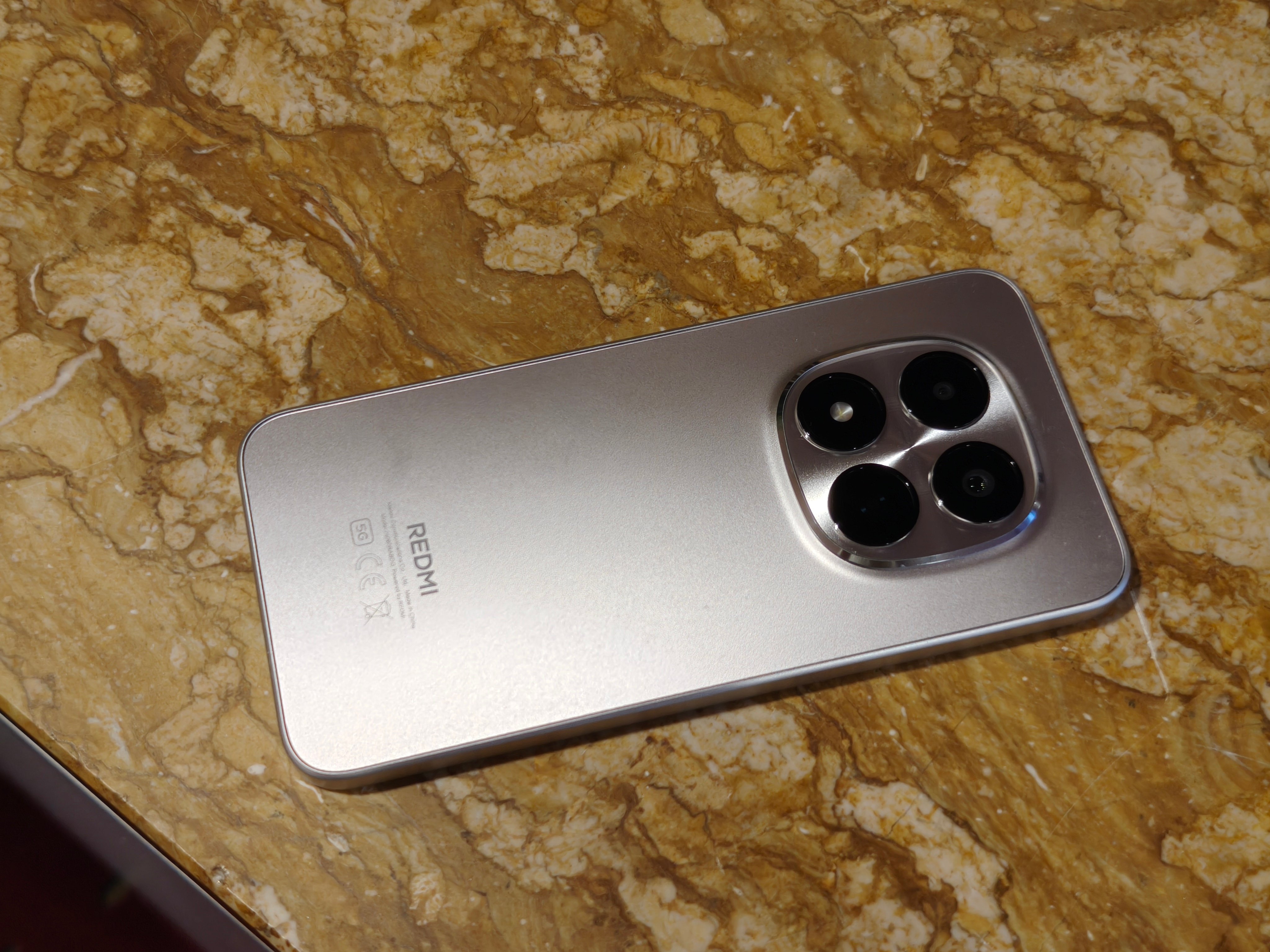
The 200MP Sensor: A Double-Edged Sword
The 200MP resolution is the headline feature, but its utility depends heavily on context. The sensor uses pixel-binning technology, combining multiple smaller pixels into one larger virtual pixel to improve light capture. In practice, the phone typically outputs 12.5MP or 50MP images by default, with the full 200MP mode available for specific scenarios. The main advantage of this high resolution is the ability to crop into an image for a lossless digital zoom, simulating a telephoto lens without the cost of additional hardware.
However, this approach has inherent trade-offs. The individual pixels on the HP3 sensor are relatively small, which means they capture less light per pixel compared to larger sensors. This makes the camera highly dependent on good lighting conditions. In low light, the sensor must rely more heavily on computational photography and pixel binning, which can introduce noise and reduce detail. The lack of a dedicated telephoto lens also means that at higher zoom levels, you're purely relying on digital crop, which can only be as good as the original image quality.
Real-World Camera Tests: Strengths and Weaknesses
To evaluate the Xiaomi Redmi Note 15 Pro 5G's camera, we took it on a winter hike under varying lighting conditions. The results highlight where the 200MP sensor shines and where it falls short.

In ideal outdoor lighting, the camera performs well. A shot of a spiral staircase captured crisp details with pleasing color reproduction. A close-up of rose hips showed rich texture and sharp edges, demonstrating the sensor's capability for macro-style shots when the subject is well-lit. The camera's processing handles sharpness effectively in these scenarios, producing images that look detailed without excessive artificial enhancement.

The situation changes dramatically when faced with high-contrast scenes. A photo of pigeons against a bright sky resulted in the birds appearing as silhouettes, with little to no detail visible in their feathers. This is a classic limitation of sensors with smaller pixels—they struggle with dynamic range, the ability to capture detail in both the brightest and darkest parts of a scene simultaneously. The camera's HDR (High Dynamic Range) processing isn't aggressive enough to recover shadow detail without blowing out the highlights.

Another shot of a hiking trail and river revealed issues with sharpness processing. The leaves on a nearby tree appeared oversharpened, with halos around edges, while overall sharpness was inconsistent across the frame. This suggests that Xiaomi's image processing algorithms are still tuning the balance between detail enhancement and natural rendering, particularly in complex scenes with varied textures.

How It Compares to Predecessors and Competitors
The camera hardware is identical to the previous-generation Redmi Note 14 Pro 5G, meaning there's no generational improvement in sensor capability. This places the Redmi Note 15 Pro 5G in a challenging position against competitors in the mid-range segment. Phones like the Google Pixel 7a, while having a lower-resolution 64MP main sensor, often outperform in computational photography, delivering better dynamic range and low-light performance through superior software processing. Similarly, the Samsung Galaxy A54 uses a 50MP sensor but benefits from Samsung's extensive experience in image processing and a more balanced hardware setup.
Xiaomi's approach with the 200MP sensor is a hardware-first strategy, relying on raw resolution to offer features like high-quality digital zoom. This works well in controlled, well-lit environments but exposes limitations when conditions aren't perfect. For users who prioritize zoom capability without spending on a flagship phone, this could be a selling point. However, for those seeking consistent image quality across all lighting conditions, the competition may offer more reliable results.
Who Is This Phone For?
The Xiaomi Redmi Note 15 Pro 5G is best suited for users who value hardware specifications and are willing to work within the camera's limitations. If you primarily take photos in good lighting—outdoors on sunny days, well-lit indoor spaces, or during golden hour—the 200MP sensor can deliver impressive detail. The ability to crop into images for zoom is useful for travel or capturing distant subjects without a dedicated telephoto lens.
However, if you frequently shoot in challenging light—backlit scenes, low-light environments, or high-contrast situations—you'll likely be disappointed by the dynamic range and noise performance. In these cases, phones with more advanced computational photography, even with lower-resolution sensors, will produce more pleasing results.
Verdict: Appropriate for the Price, But Not Exceptional
Overall, the camera of the Xiaomi Redmi Note 15 Pro 5G is appropriate for its price class. It does nothing exceptional, but in good lighting conditions it can take decent pictures. The 200MP sensor provides a unique feature set for the mid-range segment, particularly for users who value zoom flexibility. However, the lack of improvements in dynamic range and low-light performance compared to its predecessor shows that Xiaomi is prioritizing other areas of the phone's development.
For a more detailed analysis of the Xiaomi Redmi Note 15 Pro 5G's cameras, including additional sample images and technical breakdowns, check out our full in-depth review on NotebookCheck.net.
Sources:
Comments
Please log in or register to join the discussion