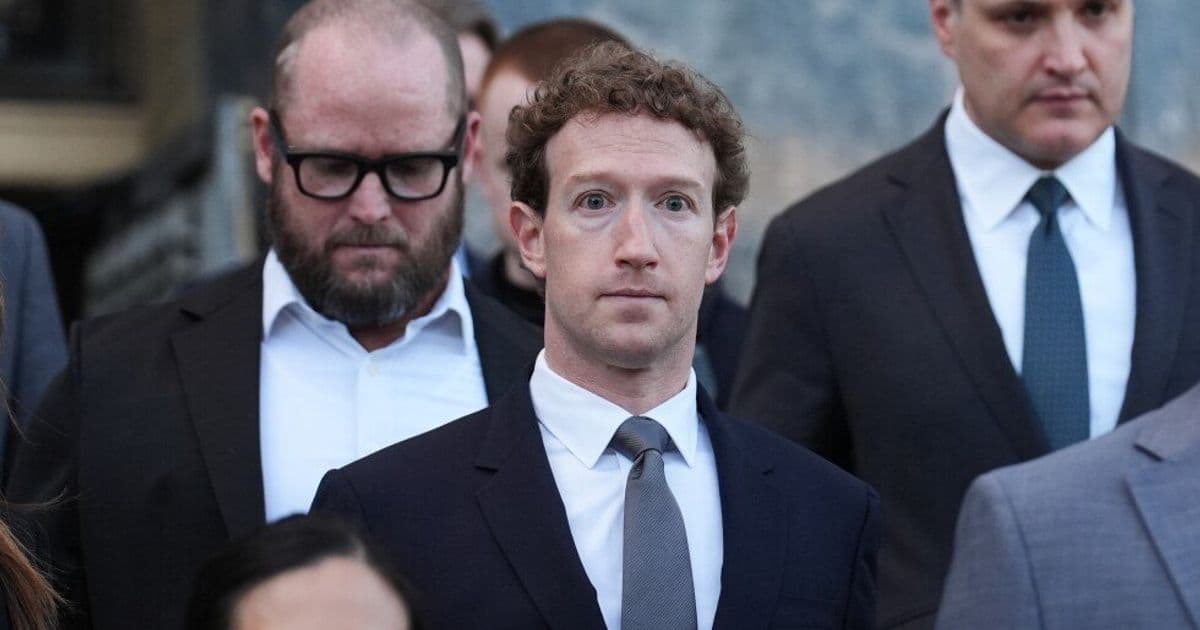
Closing arguments begin in landmark social media addiction trial as Meta and YouTube defend against claims their platforms harm children, with jurors set to deliberate Friday.
After a month of testimony from addiction experts, therapists, and platform executives including Mark Zuckerberg, closing arguments have begun in a landmark social media addiction trial that could hold major tech companies liable for harm to children.
The case centers on whether platforms like Meta's Facebook and Instagram, along with YouTube, have knowingly designed addictive features that exploit young users' psychological vulnerabilities. Plaintiffs argue these companies prioritized engagement metrics over child safety, while defendants maintain they've implemented extensive safeguards and that parental responsibility plays a crucial role.
What's Actually New
The trial represents one of the first major attempts to establish legal precedent for holding social media companies accountable for addiction-related harms. Unlike previous cases focused on data privacy or content moderation, this litigation specifically targets the psychological design choices that allegedly create compulsive usage patterns among minors.
Key testimony revealed internal documents showing platform engineers discussing "engagement optimization" techniques that research suggests can trigger dopamine responses similar to gambling mechanisms. However, defense experts countered that these same features provide legitimate social connection benefits and that causation between platform use and mental health outcomes remains scientifically contested.
The Stakes
A verdict against the companies could open floodgates for similar litigation nationwide and potentially force redesigns of core platform features. Industry analysts estimate potential damages could reach billions if liability is established, while also creating precedent for regulatory intervention.
Meta and YouTube have argued they've invested heavily in teen safety tools, including time limits, content filters, and parental controls. They contend that the scientific evidence linking social media use to addiction remains inconclusive and that multiple factors contribute to youth mental health challenges.
What Comes Next
Jurors will begin deliberations Friday after closing arguments conclude. The case's outcome could influence pending legislation in multiple states seeking to restrict certain platform features for underage users.
Legal experts note that even if the jury sides with plaintiffs, appeals could extend the process for years. However, the trial itself has already pressured companies to enhance transparency around their design practices and mental health impact assessments.
Broader Context
This trial emerges amid growing scrutiny of tech platforms' societal impact. Recent developments include:
- Adobe's CEO transition and stock volatility following leadership changes
- Anthropic's Claude gaining visualization capabilities amid defense department concerns about model biases
- Microsoft's Copilot Health launch integrating medical records with AI advice
- Google's Ask Maps feature using Gemini for conversational navigation
- Amazon's Prime Day moving to June, affecting Q2 financial reporting
These parallel developments highlight the tech industry's rapid evolution while facing mounting regulatory and legal challenges across multiple domains.
The social media addiction trial represents a pivotal moment in determining whether platforms can be held legally responsible for the psychological effects of their engagement-driven business models, particularly on vulnerable populations like children and teenagers.
Comments
Please log in or register to join the discussion