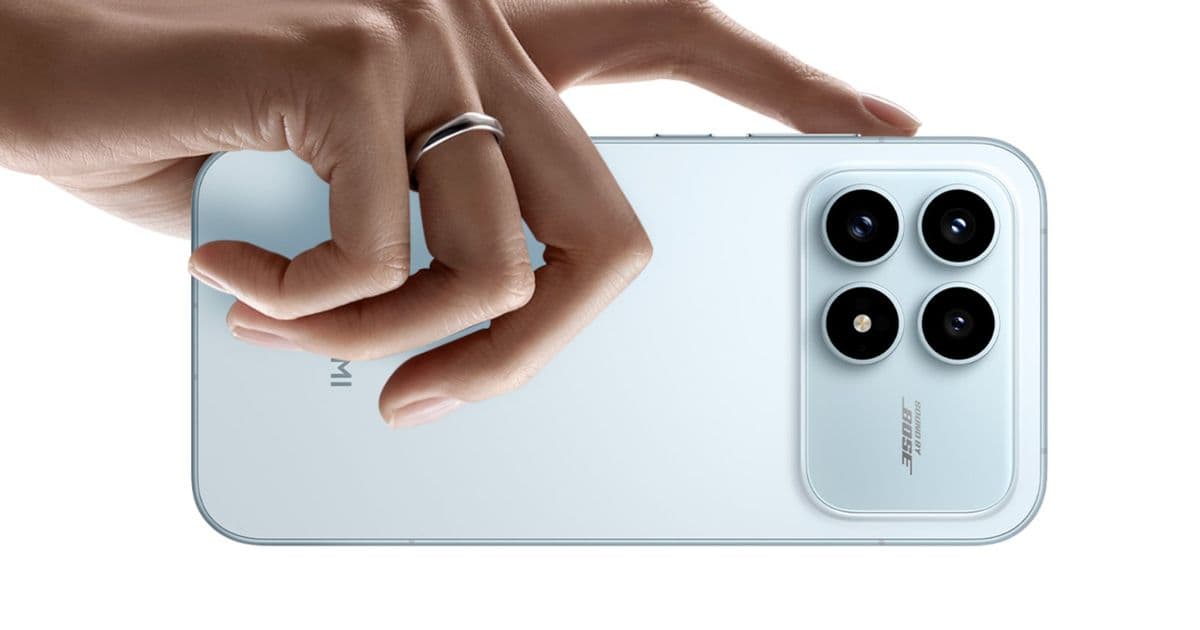
Xiaomi's next-generation Redmi K100 sub-flagship series is expected to mark a significant price increase, with the base model potentially starting at around $584, compared to $380 for its predecessor. This shift reflects broader industry trends as component costs continue to rise.
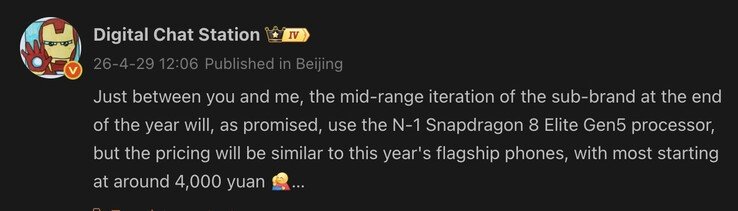
The smartphone industry is witnessing an interesting pricing evolution as Xiaomi prepares to launch its next-generation Redmi K100 series. According to recent leaks from tipster Digital Chat Station on Weibo, the company's sub-flagship offering is set to undergo a substantial price adjustment that could redefine the value proposition of this product line.
What's New: A Sub-Flagship with Flagship Pricing
The most notable development is the potential pricing strategy for the Redmi K100. While Xiaomi has traditionally positioned its K series as a more affordable alternative to its flagship Mi series, the next-generation device appears to be breaking this mold. The leak suggests that the Redmi K100, expected to feature Qualcomm's latest Snapdragon 8 Elite Gen 5 chipset, could start at approximately CNY 4,000 (roughly $584).
This represents a significant departure from Xiaomi's traditional pricing strategy. For context, the current Redmi K90 launched at CNY 2,599, which converts to about $380. The proposed increase of over 50% is substantial and would place the Redmi K100 in a competitive space with current flagship devices rather than the sub-flagship segment it has historically occupied.
How It Compares: Breaking with Tradition
Historically, Xiaomi's Redmi K series has followed a predictable pattern: the standard model would utilize the previous generation's flagship chipset, while higher-end variants would incorporate the newest flagship silicon. For example, the Redmi K90 featured the Snapdragon 8 Elite, while the K90 Pro Max utilized the newer Snapdragon 8 Elite Gen 5.
The Redmi K100 appears to be changing this approach by equipping the base model with the latest Snapdragon 8 Elite Gen 5 chipset. This represents a significant hardware upgrade, as the Snapdragon 8 Elite Gen 5 is expected to deliver substantial performance improvements over its predecessor. The new chipset is rumored to feature:
- An advanced CPU architecture with improved efficiency and clock speeds
- An enhanced GPU with better ray tracing capabilities and higher frame rates in gaming
- An upgraded AI engine with improved machine learning performance
- Better power efficiency, potentially extending battery life
- Support for advanced camera features including improved computational photography
This decision likely contributes to the increased price point, as cutting-edge mobile processors command premium costs. Additionally, the leak suggests that rising RAM and semiconductor costs are influencing Xiaomi's pricing strategy—a trend affecting multiple smartphone manufacturers in China.
To understand the significance of this price increase, it's helpful to compare it with Xiaomi's flagship offerings. Previous leaks indicated that the company's next-generation flagship phones with 2nm-based chipsets would start around CNY 5,000 (approximately $730). This places the Redmi K100 approximately $146 below the expected flagship price, a smaller gap than the typical $200-300 separation between Xiaomi's sub-flagship and flagship devices.
Who It's For: Redefined Market Positioning
This price increase and specification upgrade create a challenging position for the Redmi K100 series. The device will likely appeal to:
- Performance-focused consumers who want cutting-edge technology but aren't willing to pay flagship prices
- Xiaomi loyalists who value the brand's ecosystem and software experience
- Buyers in markets where Xiaomi has strong brand recognition and distribution
- Mobile gamers who want the latest Snapdragon performance without the premium flagship price
However, the significant price increase may alienate the traditional Redmi K series audience that valued affordability without major compromises. The device will face stiffer competition from:
- Xiaomi's own Mi flagship series (now priced closer than ever)
- Competitors like Realme and Nothing that offer similar specifications at lower price points
- Mid-range devices from brands like Samsung and Google that provide a more balanced price-to-performance ratio
- Previous generation flagships from various brands that offer similar performance at lower prices
Industry Context: A Wider Pricing Trend
The Redmi K100's potential price increase isn't occurring in a vacuum. The smartphone industry has seen several factors contributing to rising prices:
- Component costs: Advanced chip manufacturing, particularly with newer process nodes, has become increasingly expensive
- RAM and storage: Global supply chain disruptions have affected memory pricing
- Camera systems: Consumers expect sophisticated multi-lens setups with computational photography capabilities
- Display technology: High refresh rate OLED panels with advanced features command premium pricing
- AI capabilities: On-device AI processing requires more powerful hardware
These factors have led multiple manufacturers to adjust their pricing strategies, with Xiaomi joining companies like Apple and Samsung in pushing the boundaries of what consumers consider "mid-range" pricing.
The Future of Xiaomi's Product Strategy
If the Redmi K100 series launches at the rumored price point, it could signal a broader shift in Xiaomi's product strategy. The company has traditionally relied on a three-tier approach:
- Flagship Mi series (premium pricing)
- Sub-flagship K series (mid-range pricing)
- Budget Redmi series (entry-level pricing)
The potential convergence of pricing between the K series and Mi series might indicate Xiaomi is refining its market positioning to better compete with rivals and improve profit margins. This could result in clearer differentiation between product lines or even the introduction of new categories.
For consumers, this shift means carefully evaluating whether the Redmi K100 offers sufficient value compared to alternatives. The inclusion of the latest Snapdragon 8 Elite Gen 5 chipset provides undeniable performance benefits, but buyers must consider whether this justifies the significant price increase compared to its predecessor and competitors.
As with all leaks, these details should be treated with caution until official confirmation from Xiaomi. However, the pattern of rising smartphone prices appears to be a consistent trend that consumers should prepare for when considering their next device purchase.
The Redmi K100 series is expected to be officially revealed in the coming months, likely at an event in China before expanding to other markets. Until then, prospective buyers should monitor official announcements and hands-on reviews to make an informed purchasing decision.
Comments
Please log in or register to join the discussion