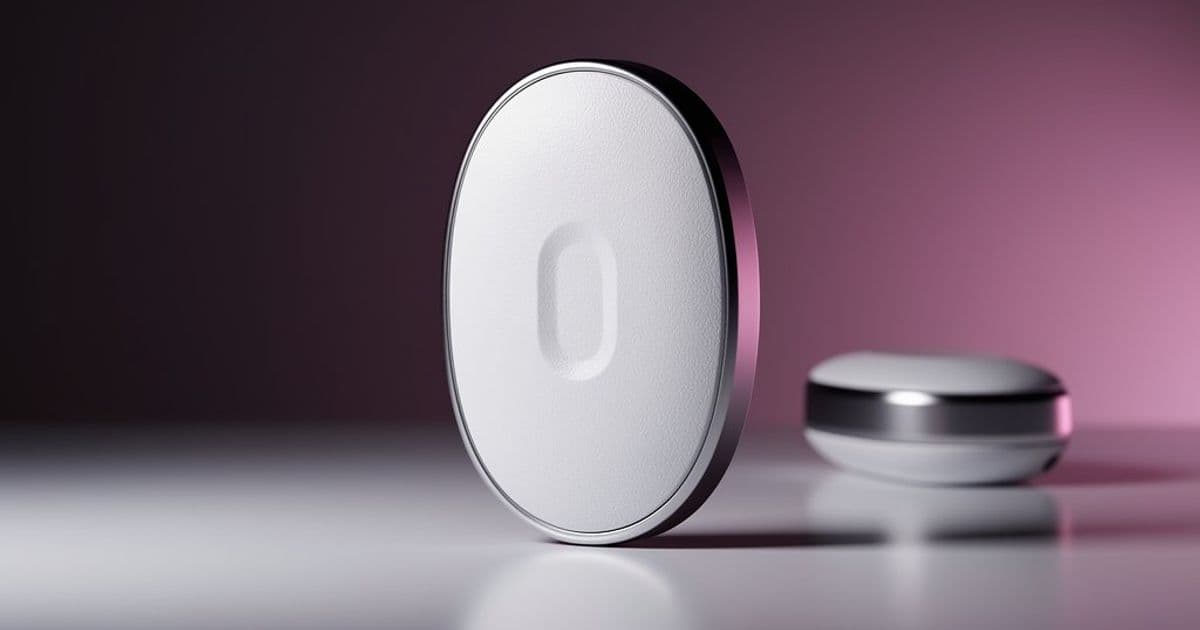
Leaked code from Xiaomi's HyperOS reveals the design and key specifications of the company's upcoming item tracker, the Xiaomi Tag, showing an oval shape and a two-model strategy that could mirror Apple's AirTag and Samsung's Galaxy Smart Tag approach.
The first concrete details about Xiaomi's long-rumored item tracker, the Xiaomi Tag, have surfaced not from a traditional press release, but from deep within the code of its own operating system. A recent dive into the HyperOS codebase has uncovered references, images, and even a video preview of the device, giving us our clearest look yet at what Xiaomi is planning to compete with Apple's AirTag and Samsung's Galaxy Smart Tag.
Design and Core Specifications
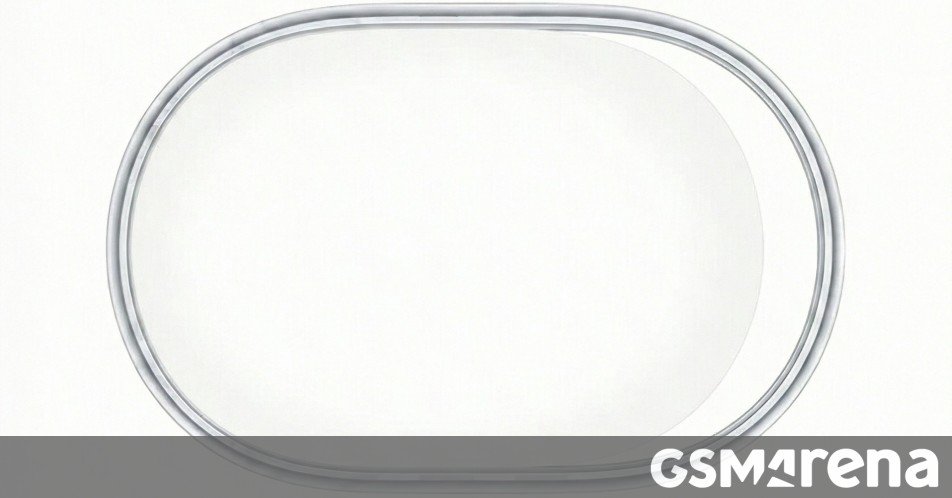
The most immediate revelation is the physical design. The Xiaomi Tag appears to be an oval-shaped tracker, a departure from the circular design of Apple's AirTag but similar to the shape of Samsung's Galaxy Smart Tag2. The oval form factor is likely a practical choice, potentially offering a better grip for attaching to keychains or bags, and possibly providing more internal space for components or a larger battery.
The code also confirms a crucial hardware detail: the Xiaomi Tag will use a standard CR2032 coin-style battery. This is the same battery type used by Samsung's Galaxy Smart Tags and many other third-party trackers. The choice is significant for consumer convenience, as CR2032 batteries are widely available and inexpensive. It also suggests Xiaomi is prioritizing user accessibility over potentially more complex (and proprietary) power solutions. This stands in contrast to Apple's AirTag, which also uses a CR2032 battery, but with a more complex, user-replaceable compartment design.
A Two-Model Strategy: UWB vs. Standard
Perhaps the most strategic detail uncovered is the indication of two distinct models. The code references a standard model and a model with Ultra-Wideband (UWB) support. This is a classic segmentation strategy that directly mirrors the approach taken by both Apple and Samsung.
Standard Model (Non-UWB): This would be the entry-level option, relying on Bluetooth Low Energy (BLE) for proximity tracking and using the network of nearby devices (in Xiaomi's case, the vast network of Xiaomi smartphones) for finding lost items when they are out of Bluetooth range. This model would be cheaper and serve the basic needs of most users.
UWB Model: This premium model would include an Ultra-Wideband chip, enabling precise, directional finding. With UWB, a compatible smartphone can pinpoint the exact location of the tag within a few centimeters, showing the distance and direction on screen. This is the technology behind Apple's "Precision Finding" and Samsung's "Precise Finding." The UWB model would be more expensive but offer a significantly superior user experience for finding items in close proximity.
This two-tier approach allows Xiaomi to capture both the budget-conscious market and the premium segment, giving users a choice based on their needs and wallet.
Ecosystem Context and Potential Limitations
The leak comes with a significant caveat: the Xiaomi Tag may only be available in China, at least initially. This is a common pattern for Xiaomi, which often launches products in its home market before considering a global rollout. If this holds true, it would be a major disappointment for international users hoping for a new, potentially more affordable alternative to Apple and Samsung's offerings.
The integration with HyperOS is key. Xiaomi's item tracker would likely leverage the company's existing ecosystem of devices. For instance, it could be tracked using the Mi Home app (or a dedicated tracker app) and utilize the network of Xiaomi smartphones for offline finding. This creates a closed-loop ecosystem similar to Apple's Find My network, but within Xiaomi's own hardware and software universe. For users deeply invested in the Xiaomi ecosystem—from phones to smart home devices—this would be a seamless addition.
However, the lack of a global launch plan would limit its impact. The item tracker market is dominated by Apple's Find My network, which is incredibly robust due to the sheer number of iPhones in circulation. Samsung's Galaxy Smart Tag works best within the Samsung ecosystem but has broader compatibility. A China-only launch would confine the Xiaomi Tag to a niche within its own region, missing out on the global competition.

What This Means for Consumers
For consumers in China, the Xiaomi Tag represents a promising new option. It would bring the convenience of item tracking to a wider audience, potentially at a more competitive price point than imported alternatives. The two-model strategy offers flexibility, and the use of a standard CR2032 battery ensures easy maintenance.
For the global market, the leak is a tantalizing glimpse of what could be. A global Xiaomi Tag could disrupt the market by offering UWB precision at a lower cost than Apple or Samsung. However, until Xiaomi confirms a global launch, it remains a regional product.
The discovery of the Xiaomi Tag in HyperOS code is a clear signal that the product is in advanced development. The oval design, two-tier model strategy, and standard battery choice show that Xiaomi is paying close attention to the market leaders while making pragmatic decisions for its own user base. The next step is for Xiaomi to officially announce the product and clarify its availability plans. Until then, the Xiaomi Tag remains a promising, but geographically limited, contender in the growing item tracker space.
Comments
Please log in or register to join the discussion