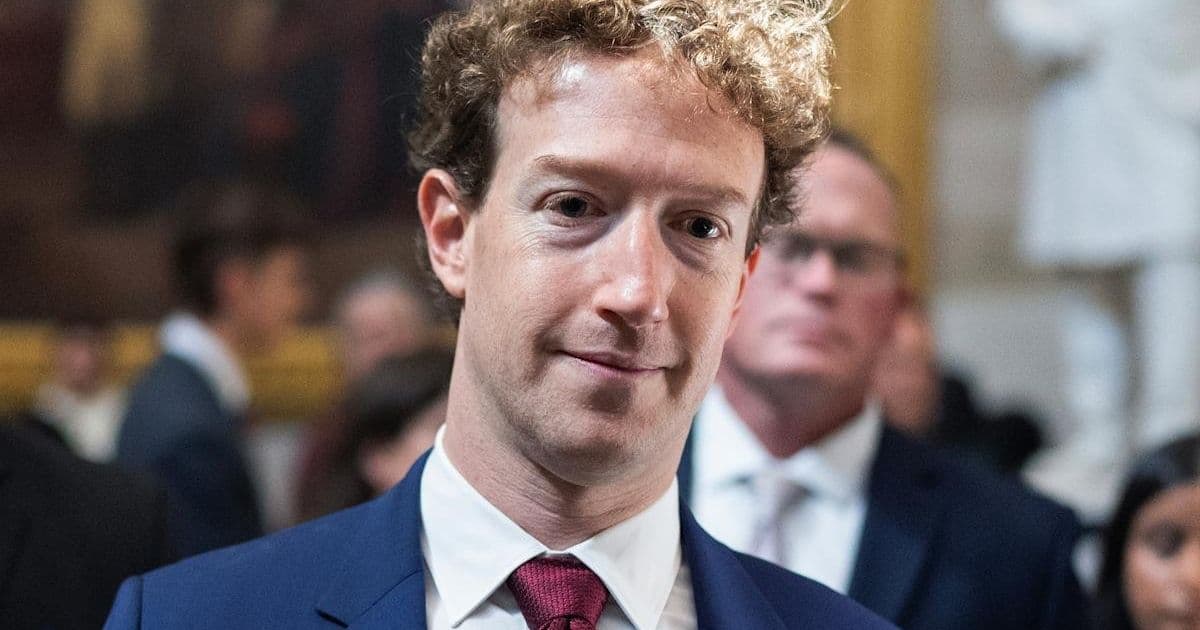
Court documents reveal Mark Zuckerberg privately messaged Elon Musk offering to help remove content targeting DOGE staffers, showing a behind-the-scenes alliance between tech giants and the Trump administration's government efficiency initiative.
New court documents have revealed that Meta CEO Mark Zuckerberg privately messaged Elon Musk in February 2025, offering to help remove content that targeted DOGE (Department of Government Efficiency) staffers. The messages, uncovered in legal filings, show Zuckerberg writing to Musk: "I'm happy to take down content doxxing or threatening DOGE staffers."
This exchange provides a rare glimpse into the behind-the-scenes relationship between two of tech's most powerful figures and their alignment with the Trump administration's controversial government restructuring initiative. The timing is significant - these messages came at the start of Trump's second term when Musk was leading DOGE's efforts to slash federal spending and reorganize government agencies.
The Context: DOGE Under Fire
DOGE, the Trump administration's initiative to cut government waste and improve efficiency, has faced significant backlash since its launch. The program, led by Musk, has targeted federal agencies for budget cuts and workforce reductions, drawing criticism from Democrats, federal employee unions, and watchdog groups concerned about potential conflicts of interest and the dismantling of public services.
DOGE staffers have been particularly vulnerable to online harassment and doxxing - the practice of publishing private information about individuals online with malicious intent. The threats against these young technologists working on government reform have ranged from public shaming to more serious safety concerns.
Zuckerberg's Offer: More Than Just Words
Zuckerberg's message to Musk wasn't merely a sympathetic gesture. By offering to "take down" content, he was proposing active intervention on Meta's platforms - Facebook, Instagram, and WhatsApp - which collectively reach billions of users worldwide. This represents a significant escalation from Meta's typical content moderation practices, which usually focus on removing content that violates specific policies around harassment, threats, or privacy violations.
The Complicated History
The alliance between Zuckerberg and Musk is particularly noteworthy given their often contentious relationship. The two tech leaders have sparred publicly over various issues, from AI safety to social media policies. Their companies compete in multiple arenas, including virtual reality, autonomous vehicles, and even satellite internet through Starlink and Meta's rumored satellite projects.
However, the Trump administration's return to power in 2025 appears to have created new alignments in the tech world. Both Meta and Musk's companies have benefited from regulatory rollbacks and favorable policies under the current administration, creating incentives for cooperation that might have seemed unlikely in previous years.
Content Moderation Under Scrutiny
The revelation raises serious questions about content moderation practices and the power of tech platforms to shape political discourse. While removing content that threatens individuals' safety might seem reasonable, the selective enforcement of such policies based on political connections could undermine public trust in these platforms.
Critics argue that this type of private arrangement between platform executives and political figures creates a dangerous precedent. It suggests that those with the right connections can receive special treatment in content moderation, potentially silencing legitimate criticism or political speech.
The Broader Implications
The Zuckerberg-Musk exchange is part of a larger pattern of tech industry alignment with the Trump administration's agenda. Other major tech companies have similarly positioned themselves to benefit from the administration's policies on regulation, trade, and government contracting.
This alignment has accelerated during Trump's second term, with tech leaders increasingly willing to engage directly with government initiatives that align with their business interests. The DOGE project, despite its controversial nature, represents an opportunity for tech companies to influence government operations and potentially secure lucrative contracts for modernization efforts.
What This Means for Users
For the billions of people who use Meta's platforms, this revelation highlights the opaque nature of content moderation decisions. When platform executives can make special arrangements to remove content based on personal relationships or political considerations, it undermines the transparency and consistency that users expect.
It also raises questions about what other content moderation decisions might be influenced by similar private communications between tech leaders and political figures. The lack of public oversight or accountability for these decisions creates a system where powerful individuals can effectively control what information reaches the public.
The Future of Tech-Government Relations
The Zuckerberg-Musk exchange may be just the tip of the iceberg in terms of private communications between tech executives and government officials. As technology becomes increasingly central to government operations and political campaigns, these relationships are likely to become even more important.
This development suggests that the traditional boundaries between the tech industry and government are becoming increasingly blurred, with potential consequences for democracy, free speech, and the role of private companies in public life.
The court documents that revealed this exchange were part of ongoing litigation related to DOGE's operations and the Trump administration's use of social media platforms for government communications. The full extent of the communications between Zuckerberg and Musk, and what actions were actually taken based on these messages, remains unclear as the legal proceedings continue.
What is clear is that the relationship between tech giants and political power has entered a new phase, one where private messages between CEOs can have significant implications for public discourse and government operations. As this story develops, it will likely prompt renewed scrutiny of content moderation practices and the concentration of power in the hands of a few tech executives.
Comments
Please log in or register to join the discussion