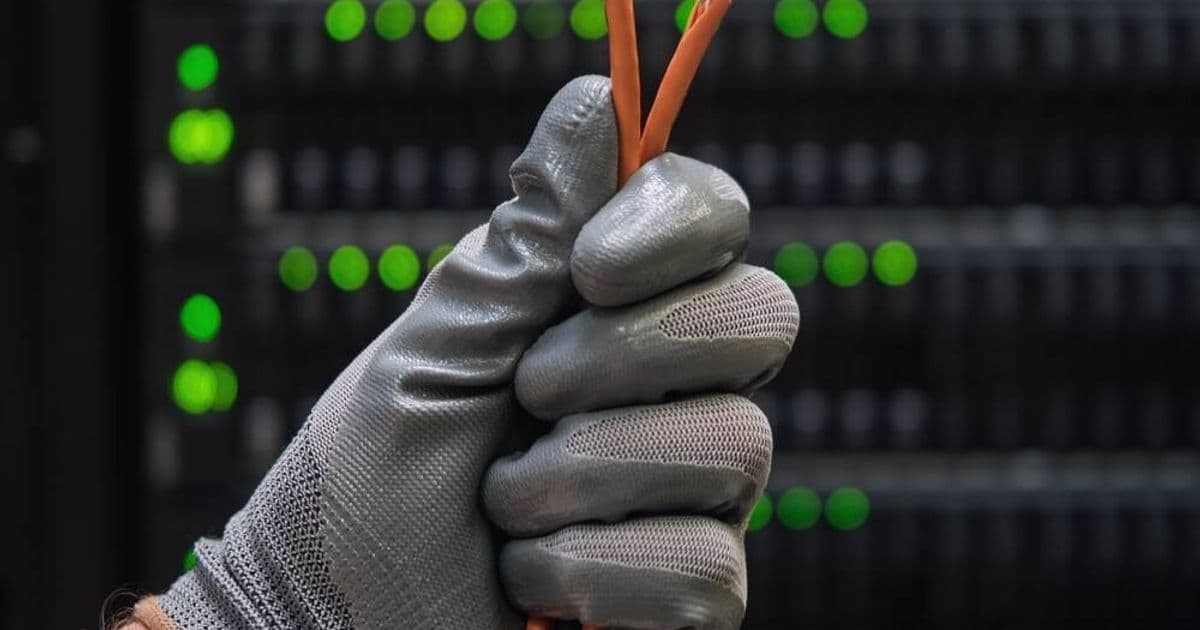
An engineer sabotaged a custom-built PC by cutting its cooling fans, then complained about data errors when the hardware overheated.
A tale of engineering hubris and hardware sabotage has emerged from the early 1990s, when a custom-built PC designed for precision fiber-optic testing was deliberately sabotaged by the very engineer who was supposed to be testing it.
The story comes from a reader we'll call "Ewen," who worked for a company that manufactured sophisticated fiber-optic devices in the early 1990s. These weren't your average PCs - they were specialized rigs that took continuous readings across more than 600 outputs using sensors mounted on two-axis grids driven by stepper motors.
To handle this complexity, the system required two full-length ISA boards: one for motor control and another for data acquisition. The entire setup, along with a network controller, was housed in a tower PC case powered by what Ewen believes was a 486 DX2 66 MHz processor.
The engineering challenges were significant. The custom "screwdriver shop" that built these machines had to completely reconfigure the layout to manage the excessive heat generated by all the components. The final design featured open slots above the large boards with slot covers removed, plus several small box fans blowing directly over the critical components to maintain safe operating temperatures.
After extensive quality control testing, including long periods in a climate chamber, the machines were ready for deployment. Ewen delivered one to a testing facility approximately 200 miles away and set it up for final tests.
Several weeks later, Ewen received an urgent call from senior management at the branch office. The machine was producing "garbage data," and they insisted he drive the 600 km to fix the problem.
When Ewen arrived, he immediately noticed something was wrong - the PC was unusually quiet. A quick inspection revealed the cause: all the cooling fans had been disconnected. When he asked if anyone had noticed a problem, one of the testing engineers admitted to the sabotage.
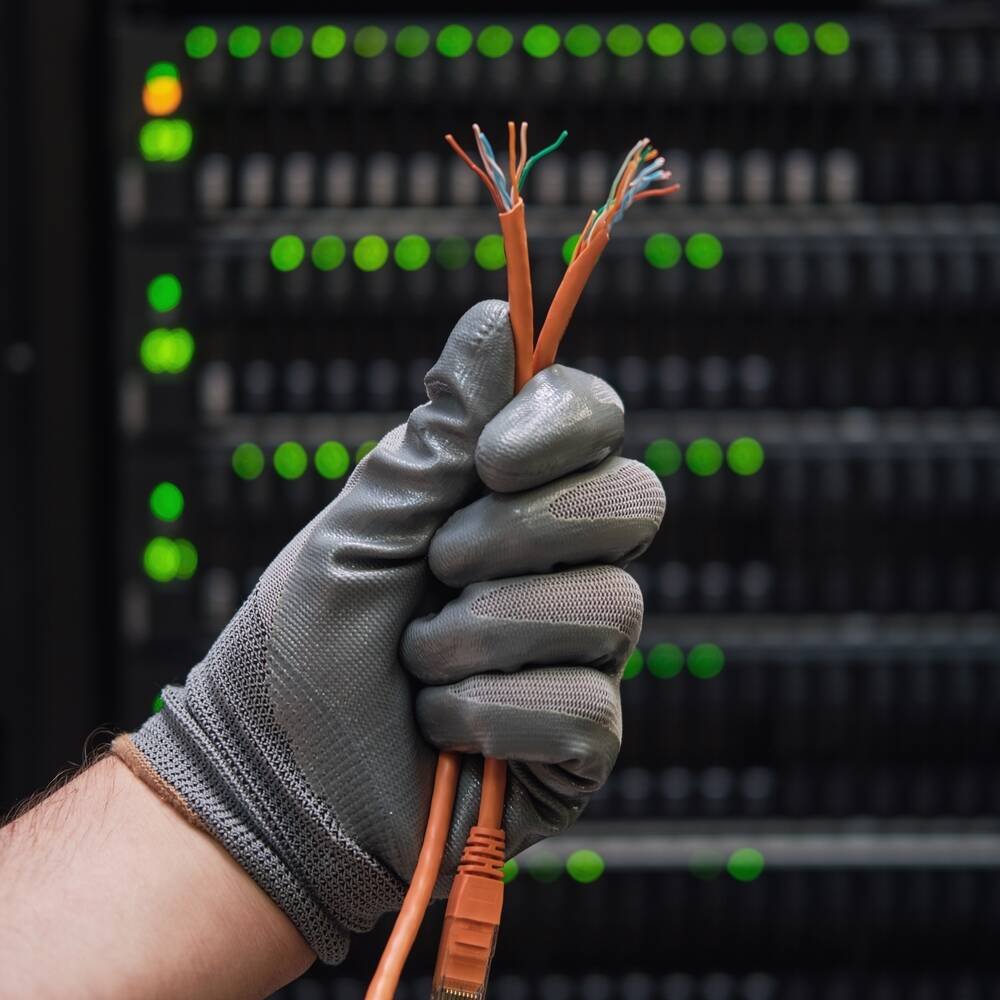
"Oh, the noise was annoying me," the engineer explained. "So I opened the case and cut the wires."
This act of self-inflicted sabotage highlights a critical lesson in hardware engineering: cooling systems aren't optional accessories - they're essential components that prevent hardware from overheating and producing unreliable results. Without proper cooling, the sensitive electronics in Ewen's custom rig would quickly reach temperatures that could cause data corruption, system crashes, or permanent damage.
The incident also demonstrates the importance of physical security for critical hardware. Once the case was opened and the fans disabled, the sophisticated testing equipment became little more than an expensive paperweight.
For IT professionals who have encountered similar situations - whether through user error, deliberate sabotage, or simple misunderstanding of hardware requirements - this story serves as both a cautionary tale and a reminder that sometimes the simplest explanation is the correct one.
Ewen's experience of making a 600 km round trip to discover that the problem was caused by someone cutting the power to essential cooling fans is a classic example of the unexpected challenges that IT professionals face when supporting specialized hardware in the field.
Have you been called out to repair an act of vandalism or sabotage? If so, you can share your story with On Call by clicking here to submit your tale of IT woe.
This article originally appeared in The Register's On Call column, which celebrates the special challenges of IT support work every Friday morning. The column invites readers to share their memories of managing IT messes that others have created, providing a weekly dose of schadenfreude for tech professionals everywhere.
For more stories like this, visit The Register's On Call archive, where you'll find dozens of tales of IT support gone wrong, from users who don't understand basic computer functions to engineers who make spectacularly poor decisions about hardware maintenance.
Comments
Please log in or register to join the discussion