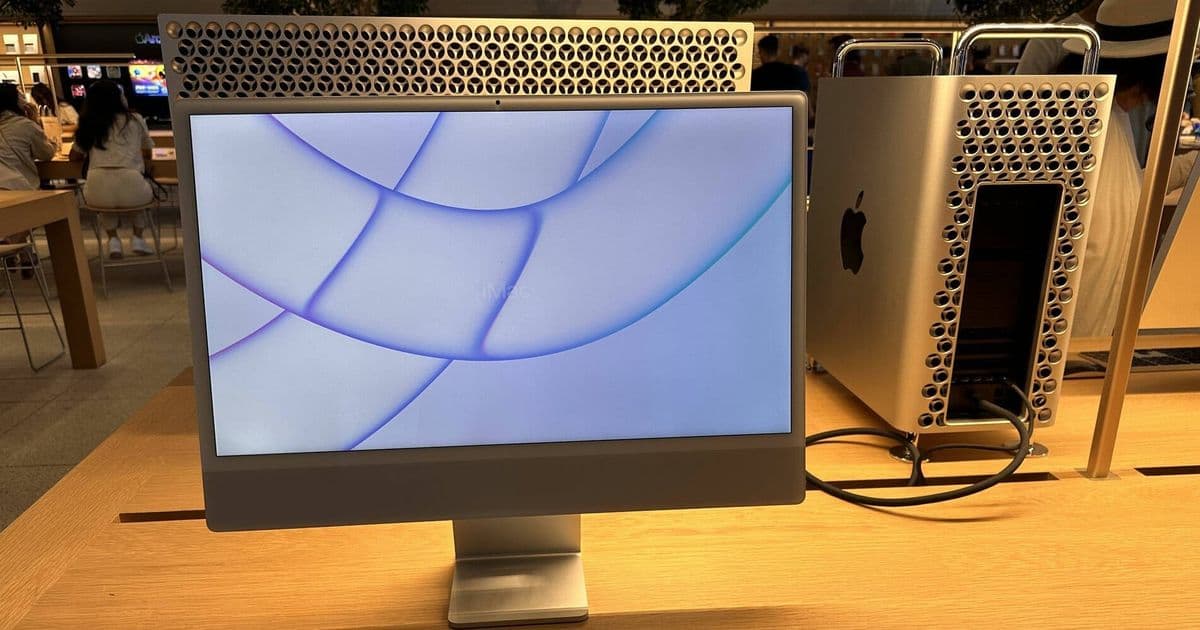
Apple has discontinued its Mac Pro tower, marking the beginning of the end for expandable desktop computers as the industry shifts toward highly integrated, non-upgradable systems.
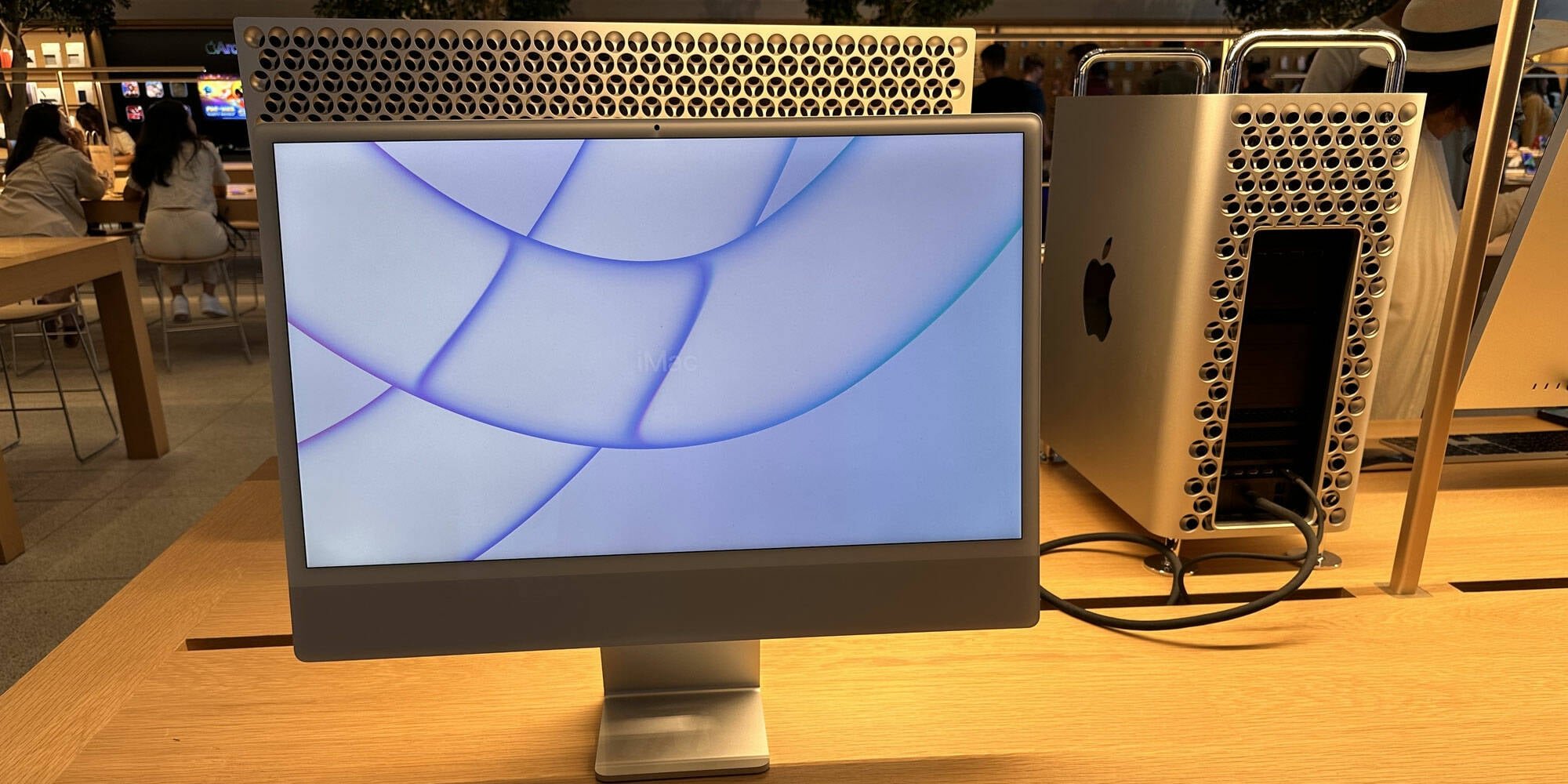
Apple has officially discontinued the Mac Pro, its last expandable desktop computer, signaling a fundamental shift in personal computing that will soon affect the entire industry. The seven-thousand-dollar Mac Pro, launched in June 2023 with an M2 Ultra SoC, featured seven PCIe slots but came with severe limitations that made it unappealing to traditional tower computer buyers.
The machine's restrictions were telling: it didn't support add-on GPUs, only using the integrated GPU that comes with the CPU complex. There was no RAM expansion whatsoever, and Apple even published a page detailing which PCIe cards customers could install. This limited expandability, combined with the machine never receiving M3 or M4 updates, made its discontinuation inevitable.
This isn't just an Apple story—it's the culmination of a 45-year trend in personal computing. The original 1981 IBM PC had minimal components on the motherboard, with everything from graphics to storage controllers on separate expansion cards. Over subsequent decades, these components gradually migrated onto the motherboard, then into chipsets, and finally onto the CPU die itself.
The integration trend accelerated through multiple phases. Processors evolved from simple CPUs to include math co-processors, then cache memory, then multiple cores. Graphics integration followed, with Intel's 810 chipset including a GPU by the late 1990s, and AMD's acquisition of ATI in 2006 paving the way for on-chip GPUs. By 2008, AMD was discussing on-chip GPUs, and by 2010-2011, both AMD and Intel had integrated graphics onto CPU dies.
Apple's M1 generation in 2020 represented a quantum leap, integrating not just the CPU and GPU but also RAM and nonvolatile storage onto a single System on Chip (SoC). This approach, while limiting upgradability, offers significant advantages in performance, power efficiency, and thermal management.
The writing is on the wall for traditional desktop expansion. As fabrication technology advances, the cost of manufacturing increasingly complex chips rises dramatically—Moore's Second Law states that as chips become more integrated, the factories to make them cost more and more. This economic reality drives manufacturers toward highly integrated solutions.
AMD is well-positioned for this transition, already offering capable on-chip GPUs and leading in chiplet-based manufacturing. The company's open-source GPU drivers also appeal to the free software community. Nvidia, despite its dominance in discrete graphics, faces an uncertain future as the market for standalone GPUs contracts.
Apple's integrated approach demonstrates that smaller, simpler integrated GPUs accessing the same RAM as the CPU can rival more capable discrete GPUs that are larger, hotter, and have their own local RAM. This efficiency advantage, combined with superior cooling in sealed systems, makes the traditional tower case increasingly obsolete.
The trend extends beyond Apple. Modern laptops have featured soldered RAM since Apple's Retina MacBook Pro in 2012, and even many recent desktop systems lack DIMM slots entirely. The Dell XPS 13 mentioned in the article, manufactured in 2018, has no memory slots—it's stuck with whatever RAM it came with.
This shift represents more than just a change in hardware design; it's a fundamental reimagining of what a personal computer is. The expansion bus concept, dating back to the Altair 8800's S-100 bus in 1975 and DEC's UNIBUS in 1969, has reached the end of its practical life. When the fastest components—CPU, GPU, storage, and memory—are all integrated into a single package, what purpose do expansion slots serve?
The industry will likely see significant resistance to this change. Enthusiasts have long valued the ability to upgrade and customize their systems, but the performance and efficiency benefits of integration are proving irresistible. Just as graphical user interfaces, built-in pointing devices, and USB ports faced initial skepticism before becoming universal standards, the sealed, integrated computer is the future.
Tower cases and large desktop systems are becoming obsolete not because of fashion, but because they no longer serve a practical purpose. When you can't add more memory, newer GPUs, or bigger SSDs, why maintain a large, expandable form factor? A sealed, integrated system offers better cooling, quieter operation, and a more compact design.
The Mac Pro's discontinuation is just the first domino to fall. The rest of the industry will follow, as it always does when Apple pioneers a new direction in computing. The expandable desktop computer, a fixture of personal computing for nearly half a century, is officially obsolete.
Comments
Please log in or register to join the discussion