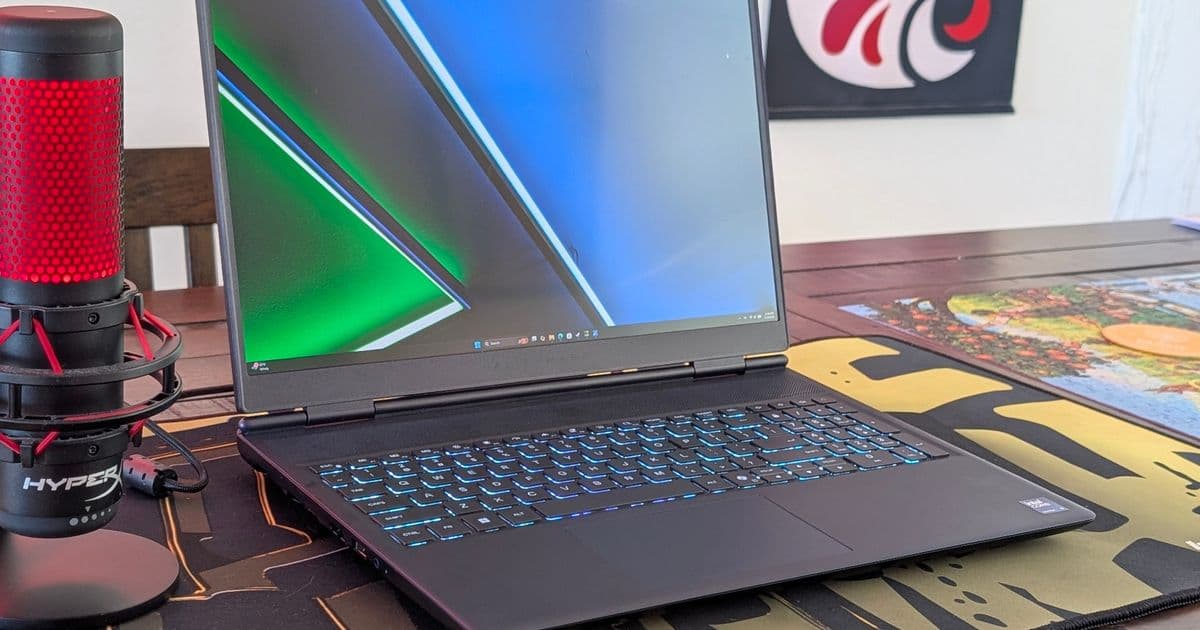
Dell’s refreshed 16X Aurora adds a Core Ultra 9 CPU, RTX 5070 Ti GPU and an OLED panel, but the $3 000 price tag narrows the gap to the flagship Area‑51 series, raising questions about value for gamers who need portability.
What’s new in the 2026 Alienware 16X Aurora
The 2026 refresh of the Alienware 16X Aurora brings three headline upgrades:
- CPU – Dell now offers the Intel Core Ultra 9 290HX, a 15 % uplift in single‑core performance over the previous generation’s i9‑13980HX.
- GPU – The RTX 5070 Ti replaces the RTX 5060 Max‑Q, delivering roughly 12 % higher average frame rates in current AAA titles.
- Display – Buyers can opt for a 16‑inch 4K OLED panel (3840×2400, 120 Hz) instead of the older 16:10 IPS option.
All three changes are bundled into a single configuration that starts at US$3 000. Dell’s pricing page shows the base model with 16 GB DDR5‑5600 RAM, 1 TB PCIe 4.0 SSD and the OLED screen.
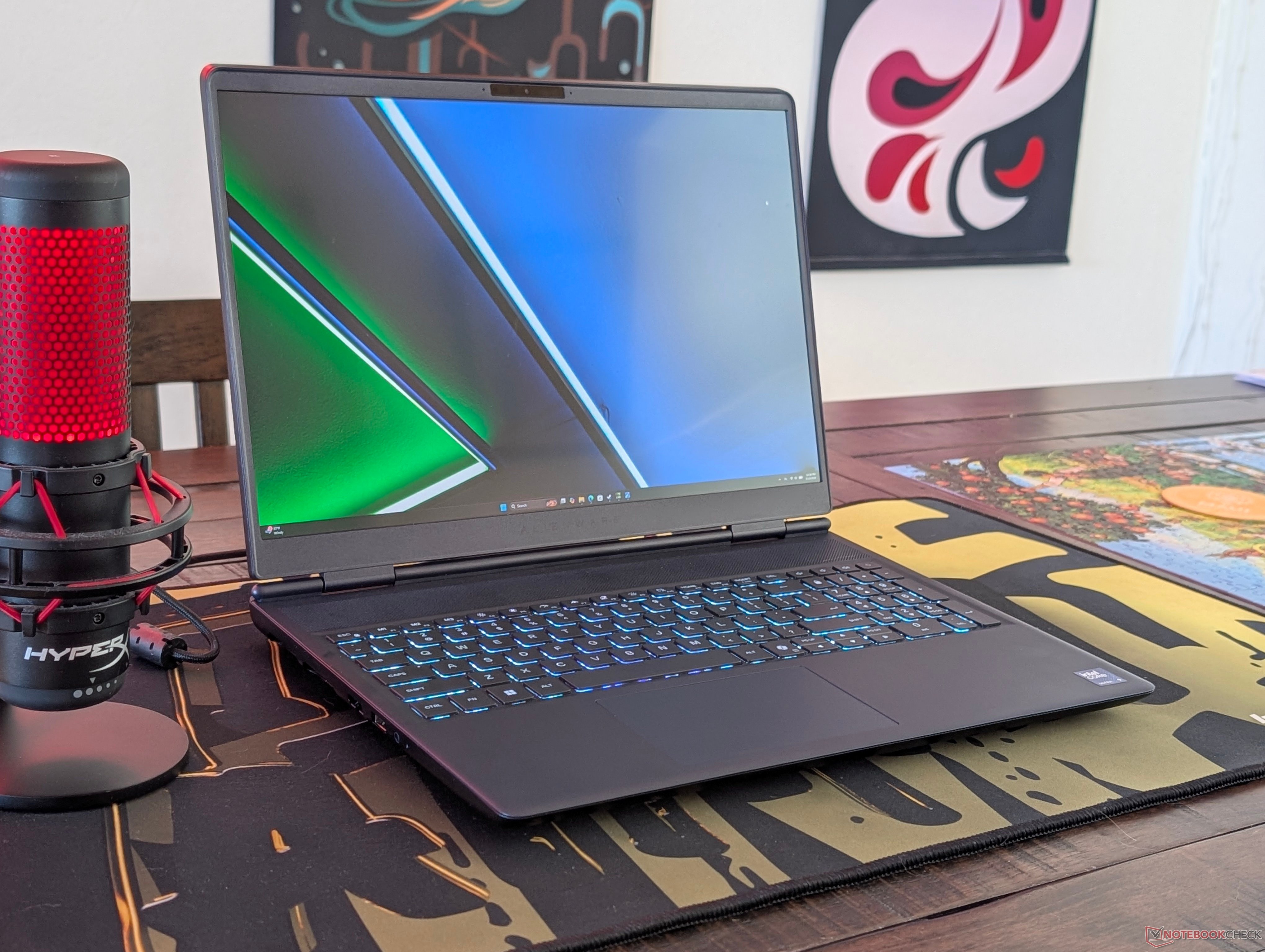
How the Aurora stacks up against the Area‑51
When we line the Aurora up against the 16‑inch Alienware Area‑51 equipped with the same RTX 5070 Ti, the numbers look surprisingly close:
| Feature | 16X Aurora (2026) | Area‑51 (2026) |
|---|---|---|
| CPU | Core Ultra 9 290HX | Core Ultra 9 290HX |
| GPU | RTX 5070 Ti | RTX 5070 Ti |
| RAM | 16 GB DDR5‑5600 | 32 GB DDR5‑5600 |
| Storage | 1 TB PCIe 4.0 SSD | 1 TB PCIe 4.0 SSD |
| Display | 16" 4K OLED (120 Hz) | 16" 4K OLED (120 Hz) |
| Weight | 2.7 kg | 3.4 kg |
| Price | US$3 000 | US$3 280 |
The Area‑51 is only US$280 more expensive while offering double the RAM. In real‑world gaming tests the two laptops differ by less than 5 % in average FPS, because the RTX 5070 Ti is the limiting factor. The extra memory helps with heavy multitasking and large texture packs, but it does not translate into a noticeable boost in most titles.
Who should consider the Aurora
- Portability‑focused gamers – At 2.7 kg the Aurora is roughly 700 g lighter than the Area‑51, making it easier to slip into a backpack for LAN events or travel.
- OLED enthusiasts – The new panel delivers deeper blacks and higher contrast than the IPS option, which is a clear win for HDR content.
- Budget‑conscious power users – If you can live with 16 GB of RAM and do not need the extra chassis reinforcement found in the Area‑51, the Aurora saves you a few hundred dollars while delivering the same graphics performance.
Who might still reach for the Area‑51
- Content creators who routinely run 32 GB‑plus workloads (video rendering, 3‑D modeling) will benefit from the larger memory pool without paying a premium for a separate upgrade.
- Enthusiasts who value build rigidity – The Area‑51 chassis is reinforced to accommodate future GPUs up to the RTX 5090, giving it a sturdier feel and better thermal headroom for overclocking.
- Users who want the absolute top‑tier accessories – Dell bundles the Area‑51 with a premium mechanical keyboard, higher‑capacity battery and optional external GPU dock, options that are either unavailable or cost extra on the Aurora.
Bottom line
The 2026 Alienware 16X Aurora finally catches up to the Area‑51 in price, but it still offers a lighter, more travel‑friendly package and the same OLED visual experience. If you prioritize mobility and can work with 16 GB of RAM, the Aurora presents a compelling alternative to the flagship line. For creators who need extra memory and a chassis built for future‑proof GPU upgrades, the Area‑51 remains the logical choice, even at a modest price premium.
Sources
Comments
Please log in or register to join the discussion