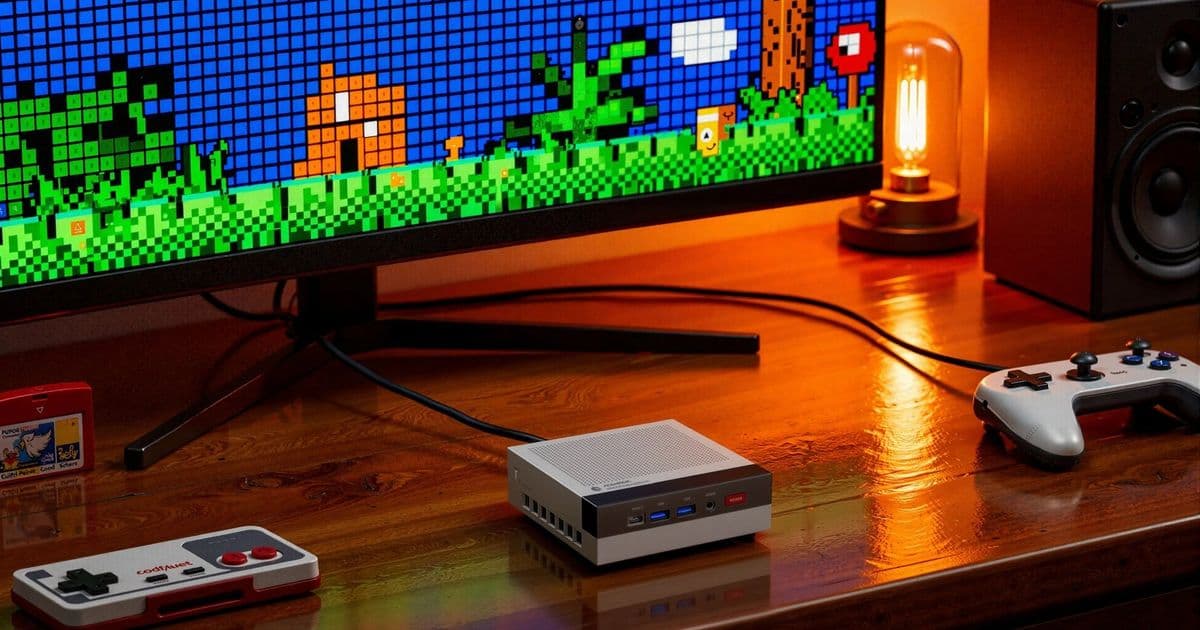
ACEMAGIC's Retro X3 mini PC combines nostalgic NES-inspired design with AMD Ryzen 7 H 255 processor, offering retro gaming capabilities in a compact form factor starting at $275 in China.
The mini PC market continues to evolve with manufacturers finding creative ways to stand out in an increasingly crowded space. ACEMAGIC's latest offering, the Retro X3, takes a nostalgic approach by wrapping modern computing hardware in a design that pays homage to classic gaming consoles of the 1980s.
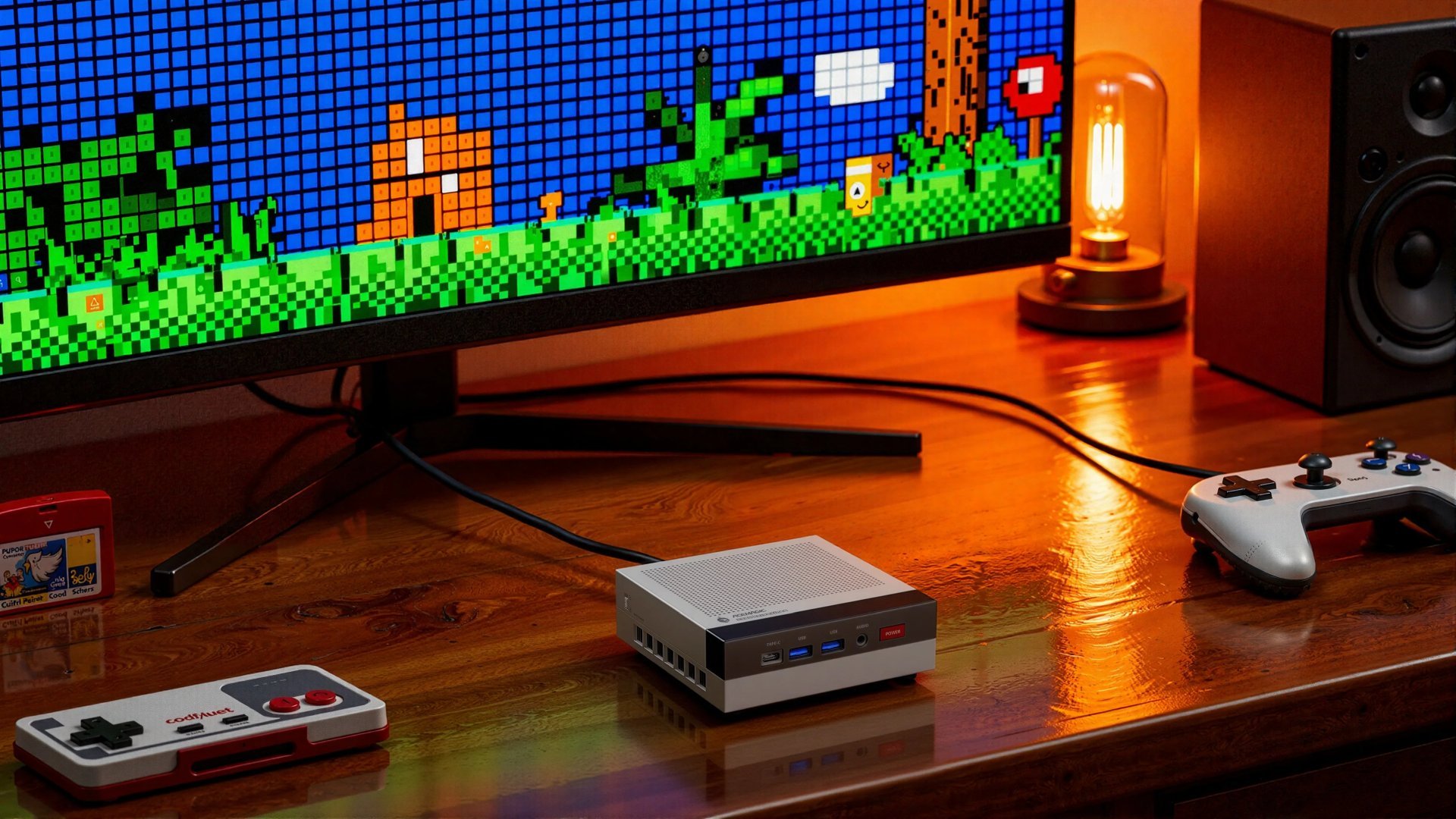
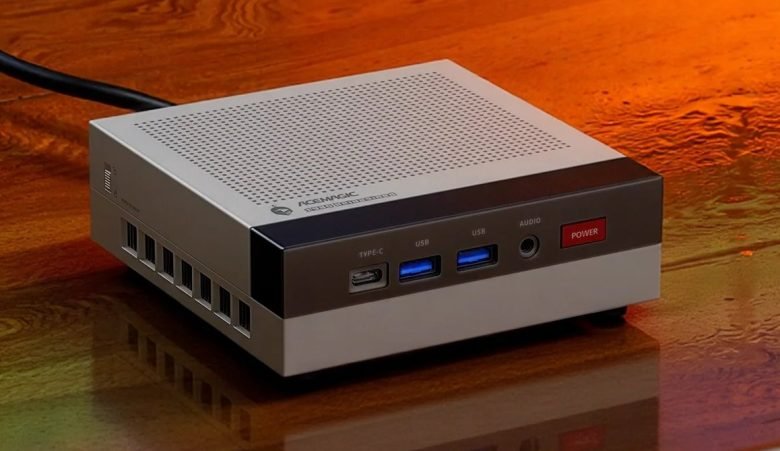
The ACEMAGIC Retro X3 is part of the company's Retro X line, which includes the more powerful Retro X5 model we covered earlier this year. While the X5 mimics the iconic Nintendo Entertainment System design almost exactly, the X3 takes a more subtle approach to retro styling. The mini PC features a boxy grey chassis with a distinctive red power button on the front, evoking the aesthetic of classic gaming hardware without directly copying any specific console.
At the heart of this compact system is the AMD Ryzen 7 H 255 processor, an 8-core, 16-thread chip built on AMD's Zen 4 architecture. This processor represents an interesting choice for a mini PC, as it sits in an unusual position within AMD's product lineup. Unlike other chips in the "Hawk Point" family, the Ryzen 7 H 255 notably lacks an NPU for hardware-accelerated AI tasks, which may limit its appeal for users interested in AI applications.
What makes this processor particularly interesting is how closely it resembles AMD's Ryzen Z1 Extreme, which powers many of the latest handheld gaming PCs. The key differences lie in the power envelope and clock speeds: the Ryzen 7 H 255 operates at a higher base frequency of 3.8 GHz compared to the Z1 Extreme's 3.3 GHz, and it has a default TDP of 45W versus the handheld-optimized 15W. This suggests ACEMAGIC is targeting users who want gaming performance in a desktop form factor without the thermal constraints of a handheld device.
However, potential buyers should temper their expectations regarding gaming performance. While the integrated Radeon 780M graphics with 12 RDNA 3 compute units should handle retro gaming titles admirably, the system isn't designed for modern AAA gaming at 4K resolutions. Users looking for cutting-edge gaming performance would be better served by systems with discrete GPUs or AMD's newer Strix Point and Strix Halo processors, which offer significantly more graphics horsepower.
The Retro X3's specifications reveal a well-rounded mini PC that balances performance with expandability. The system includes two SODIMM slots supporting DDR5-5600 memory, allowing users to configure the system with up to 64GB of RAM. Storage options are equally flexible, with two M.2 2280 slots supporting PCIe 4.0 NVMe SSDs for fast boot times and application loading.
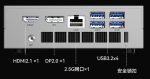
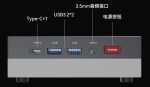
Connectivity options are comprehensive for a mini PC of this size. The rear panel includes a USB4 Type-C port capable of 40 Gbps data transfer, six USB 3.2 Type-A ports for peripheral connectivity, DisplayPort 2.0 and HDMI 2.1 outputs for multi-monitor setups, a 2.5 GbE LAN port for high-speed wired networking, and standard 3.5mm audio jacks. The inclusion of WiFi 6 and Bluetooth 5.2 through an internal wireless card ensures modern wireless connectivity standards are supported.
Currently, the ACEMAGIC Retro X3 is available in China with barebones models starting at approximately $275. This aggressive pricing positions the system as an accessible entry point into the mini PC market, particularly for users who appreciate the retro aesthetic and don't require the absolute latest in processing technology. However, international availability remains uncertain, and pricing outside of China would likely be higher due to import costs and regional market factors.

The Retro X3 represents an interesting middle ground in ACEMAGIC's product lineup. While the Retro X5 offers more powerful processor options including the AMD Ryzen AI HX 470 for users who need cutting-edge performance, the X3 caters to a different audience—those who prioritize the retro design aesthetic and don't need the absolute latest hardware. This tiered approach allows ACEMAGIC to address multiple market segments while maintaining a cohesive product family.
For retro gaming enthusiasts, the X3's combination of classic design and capable AMD Ryzen processor makes it an attractive option. The system should handle emulators for consoles from the 8-bit and 16-bit eras with ease, and even more demanding retro titles from the PlayStation 2 era should be playable at reasonable settings. The compact form factor also makes it ideal for living room setups where space is at a premium.
The mini PC market has seen significant growth in recent years as consumers seek alternatives to traditional desktop towers. Systems like the ACEMAGIC Retro X3 demonstrate how manufacturers are differentiating their products through unique design elements and targeted feature sets. While the retro gaming aesthetic may not appeal to everyone, it certainly helps the X3 stand out in a market where many mini PCs look remarkably similar.
The success of the Retro X3 will likely depend on several factors, including international availability, pricing in different markets, and how well the Ryzen 7 H 255 processor balances performance with power efficiency in real-world use. For now, it represents an intriguing option for users who want a capable mini PC with a distinctive personality and a nod to gaming history.
As the mini PC market continues to evolve, we can expect to see more manufacturers experimenting with unique designs and feature combinations. The ACEMAGIC Retro X3 is a prime example of how thoughtful design choices can create a product that appeals to both nostalgic gamers and users seeking a compact, capable desktop solution.
Comments
Please log in or register to join the discussion