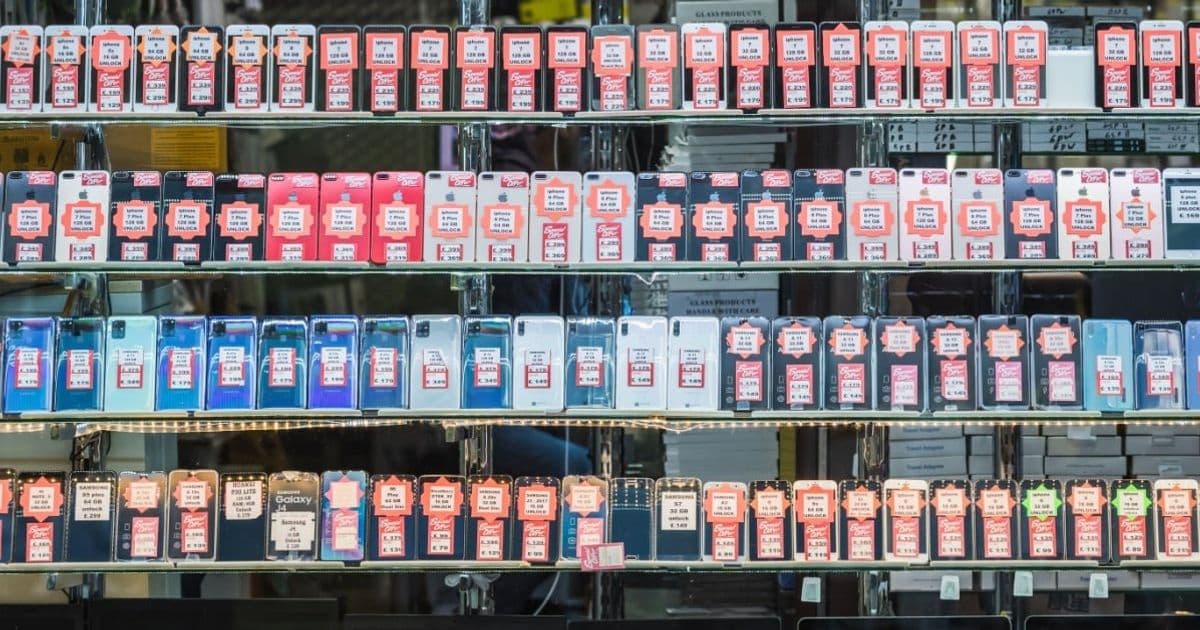
Samsung's Galaxy S25 lost 63% of its resale value in 12 months, with AI features cited as the culprit for destroying smartphone resale values.
The smartphone resale market is experiencing a dramatic shift, with AI features emerging as a potential culprit behind plummeting secondhand values. According to UK used device website Compare and Recycle, Samsung's Galaxy S25 lost a staggering 63 percent of its resale value after just 12 months—a sharp reversal of the multi-year trend where Samsung flagships had been depreciating more slowly with each generation.
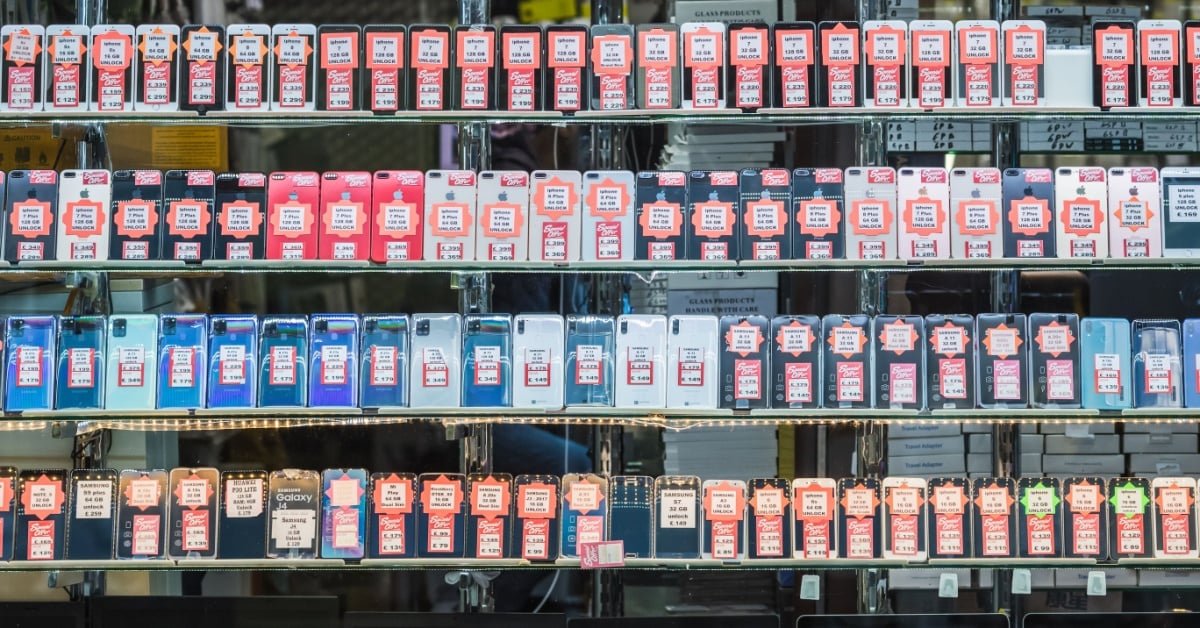
This depreciation crisis appears directly linked to Samsung's AI strategy. The Galaxy S24 was the first Samsung model to introduce Galaxy AI features, and since then, the company has heavily marketed on-device and cloud-based AI tools like live translation, generative photo editing, and AI search. However, Compare and Recycle's chief product officer Lee Elliott argues that positioning AI as a core selling point rather than background functionality has backfired spectacularly.
The market dynamics reveal a stark divide between early adopters and the broader consumer base. Gartner research director Ranjit Atwal explains that Samsung's AI premium holds up with early adopters but fails completely in the refurbished market, where mid-range buyers prioritize value over AI branding. Beyond the price barrier, there's a secondary issue of trust: users are comfortable with AI for specific tasks like photo editing but remain apprehensive about its more intrusive, wide-scale applications.
This trust deficit appears to be a significant factor. Research shows that just 42 percent of people in the UK are willing to trust AI, while the vast majority express concern about negative outcomes. An overwhelming 80 percent believe regulation is required for AI technologies. This public sentiment creates a challenging environment for marketing AI-heavy devices as premium products.
Not everyone agrees that AI is solely to blame for the resale slump. CCS Insight's Ben Wood points out that heavy AI integration is now standard across premium devices, making it difficult for consumers to avoid. A recent CCS Insight survey found that 47 percent of buyers would actually pay more for a phone with AI features, though this applied to new purchases rather than secondhand ones.
The broader smartphone industry faces a memory cost crunch, and buyers aren't in the mood for premium pricing. European consumers are mostly saying 'non' to trading in their old phones, suggesting a wider market hesitation about current smartphone offerings. The shift from marketing devices as "smartphones" to "AI phones" represents a risky commercial strategy that may be alienating the very consumers who drive the secondhand market.
This situation highlights a fundamental disconnect between how manufacturers market their products and how consumers actually value them. While Samsung and other Android smartphone makers have doubled down on AI as a lead feature for their premium devices, the secondhand market tells a different story. The Galaxy S25's dramatic depreciation suggests that consumers may be voting with their wallets against the AI-centric approach to smartphone design.
The implications extend beyond just Samsung. If AI features are indeed destroying resale values, this could force a major rethink in how smartphone manufacturers approach their product strategies. The current model of positioning AI as a premium feature may need to be recalibrated, especially as the technology becomes more ubiquitous and consumers become more skeptical of its benefits versus its costs and privacy implications.
For now, the Galaxy S25's 63 percent value loss serves as a warning sign for the industry. It suggests that the rush to integrate AI features may be creating a two-tier market where early adopters pay premium prices for cutting-edge technology, but the broader market sees little value in these features when purchasing secondhand devices. As smartphone manufacturers continue to push AI as a differentiator, they may need to reconsider whether this strategy is sustainable in a market that increasingly values practical utility over technological novelty.
Comments
Please log in or register to join the discussion