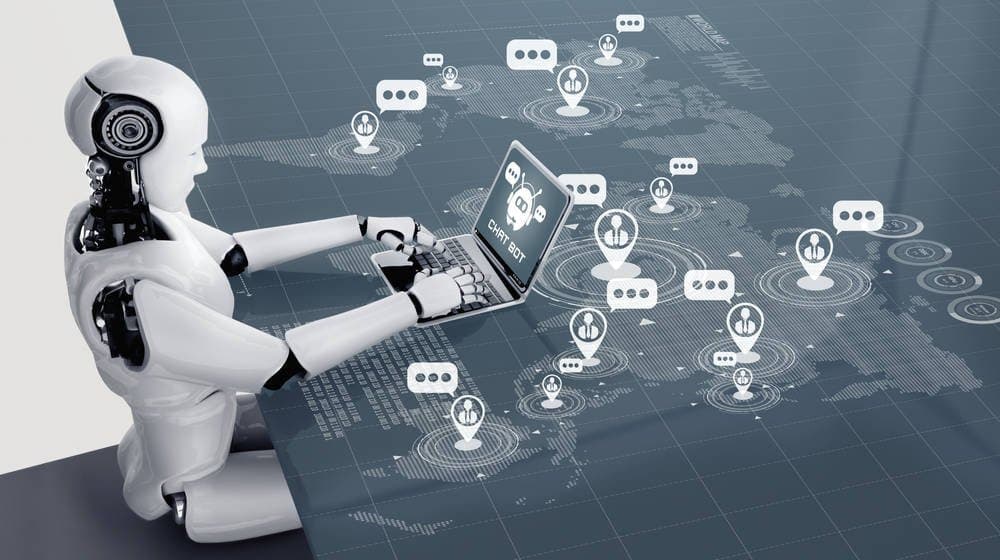
Research shows automated review monitoring systems (ARMS) help businesses handle negative feedback more constructively, leading to higher ratings and fewer public meltdowns.
A new study suggests that businesses may benefit from letting artificial intelligence handle negative customer reviews before human employees see them. The research, which analyzed restaurants using automated review monitoring systems (ARMS), found that AI-powered review management leads to higher customer ratings and fewer embarrassing public responses from businesses.
How ARMS software works
ARMS software monitors customer feedback platforms like Google Reviews and TripAdvisor, using AI to digest the content and create actionable items for staff. These actions might include investigating customer complaints, addressing staff issues, or making operational changes based on feedback patterns.
The study examined restaurants using Dianping, a Chinese review platform, and found that businesses adopting ARMS saw their average weekly ratings increase by 0.358 stars on a 5-point scale. The improvements were particularly notable for restaurants with initially lower ratings.
Preventing public meltdowns
One of the most interesting findings was ARMS's role in preventing the kind of dramatic public responses that often go viral on social media. The software acts as a back-end filter, creating structured workflows that can substitute for immediate front-end responses on review platforms.
"We find that publicly visible managerial responses on the platform, or front-end actions, decline following ARMS adoption, indicating that structured back-end workflows can partially substitute for front-end responses," the research team explained. This suggests that cooler, more measured responses to criticism may become more common as businesses adopt these systems.
Limitations and organizational factors
However, the study noted that ARMS effectiveness depends on organizational culture. Restaurants where staff exhibited defensive attitudes saw smaller improvements from the system. "ARMS generates significantly smaller improvements in restaurants where staff exhibit more defensive attitudes, highlighting that the effectiveness of technology adoption depends on complementary organizational practices," the researchers explained.
This means that businesses prone to dramatic online outbursts are unlikely to change their behavior simply by adopting AI tools. The technology can help, but it can't overcome deeply ingrained organizational attitudes.
Broader implications
The researchers believe ARMS could benefit industries beyond restaurants, as it's essentially a data management tool that transforms public information into structured, actionable insights. "The role of ARMS highlights that the central challenge in the digital age is not the lack of consumer information, but the ability to make publicly available information actionable," they noted.
As businesses continue to grapple with managing their online reputations, AI-powered review management systems may offer a way to respond more constructively to criticism while avoiding the kind of public meltdowns that have become internet entertainment. The key, as with any data management tool, lies in how businesses choose to implement and act on the insights these systems provide.
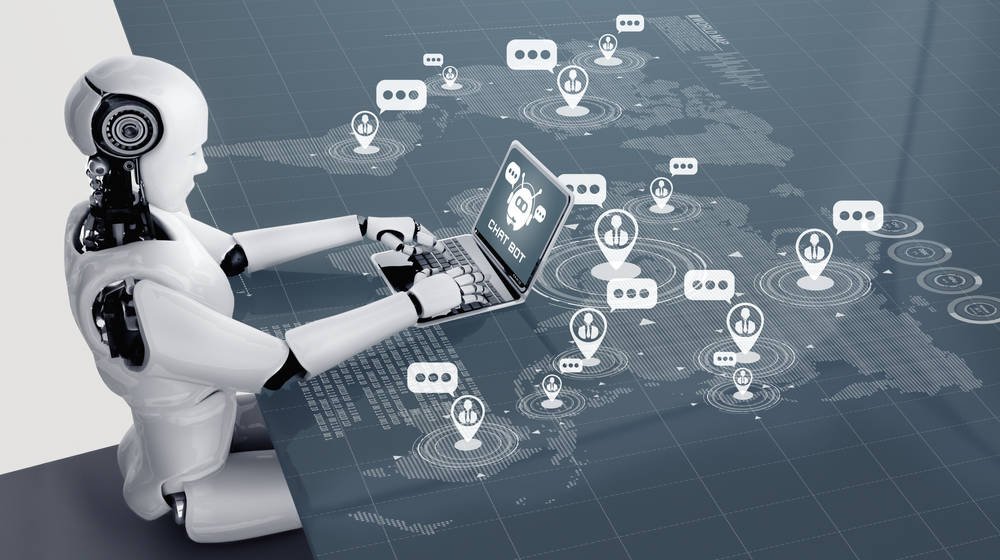
The study suggests that while we may see fewer entertaining business meltdowns online, customers and employees alike could benefit from more measured, constructive responses to feedback. As AI continues to transform how businesses interact with customers, tools like ARMS may become increasingly common in the quest for better online reputation management.
Comments
Please log in or register to join the discussion