A provocative blog post on ezhik.jp sounds the alarm about AI-generated mediocrity in software development, warning that acceptance of 'good enough' applications could permanently degrade software quality and innovation.
Software developer ezhik.jp has issued a stark warning about the proliferation of AI-generated 'slop' - barely functional applications that meet minimum requirements but lack polish and innovation. In a widely-discussed blog post, the author expresses deep concern that artificial intelligence might plateau at its current '90% solution' capability, leading to permanent mediocrity in software development.
The core argument centers on what happens if large language models stop improving: "You'd still get models that can kinda-sorta simulate worlds and write kinda-sorta engaging stories. You'd still get self-driving cars that almost work, except when they don't." This 'good enough' threshold creates dangerous incentives where developers ship unfinished products and users accept subpar experiences.
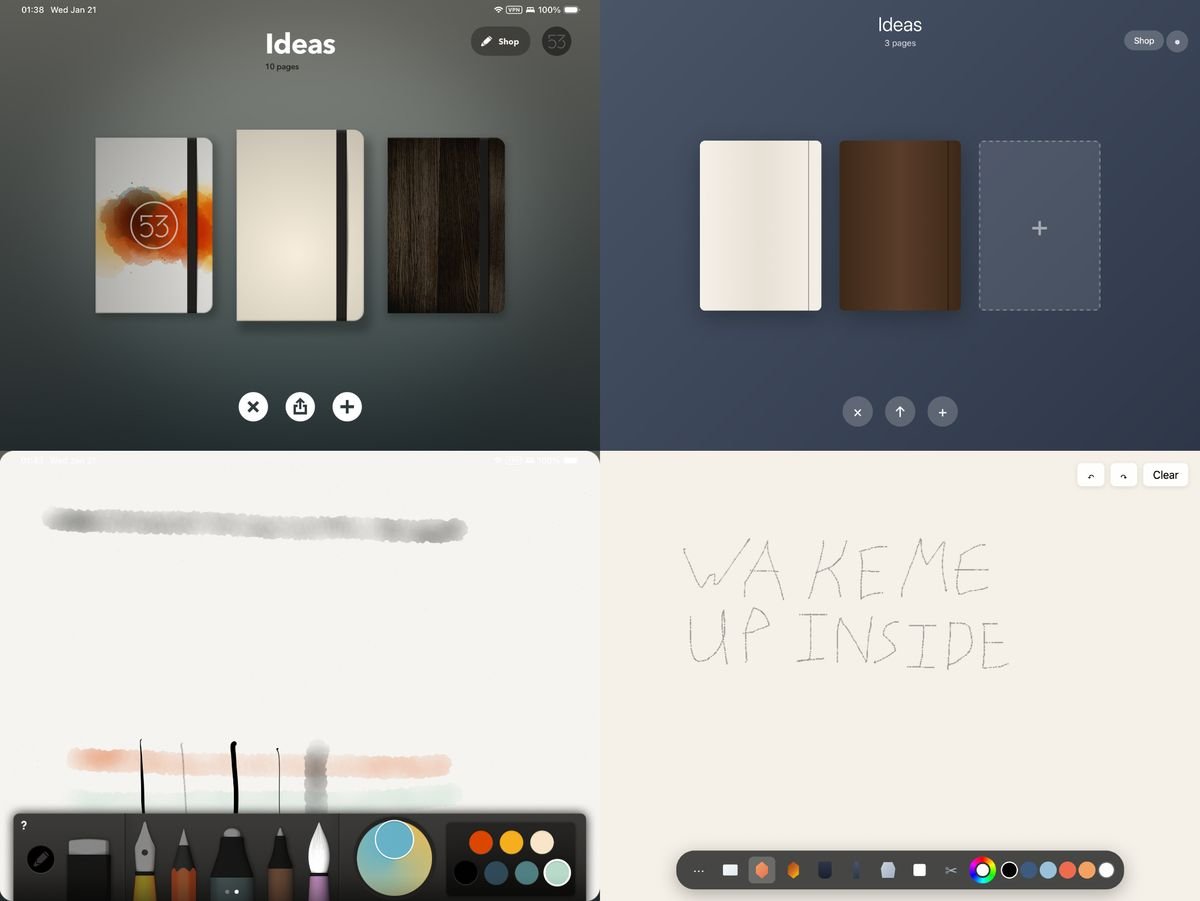
Particularly troubling is AI's tendency toward homogenized solutions. As noted in the post: "AI models seem to constantly nudge towards that same median Next-React-Tailwind, good enough app. Spend all the tokens you want, trying to make something unique like Paper by FiftyThree with AI tools will just end up looking normal and uninspired." This convergence risks eliminating distinctive, human-centric design from software.
The crisis extends beyond technology to market incentives. The author compares the situation to 'software temufication' - a reference to the flood of low-quality goods on platforms like Temu - which they argue hurts more than mere commoditization. When giants like Google clone and abandon promising applications, it creates "net zero new good software" while AI agents accelerate this cycle.
User complacency presents another concern. While some non-technical users (like "Carol in Accounting" creating complex spreadsheets) show potential, the author worries most people prefer "a glorified little TV in their pocket" and won't demand better. This creates a dangerous feedback loop where developers have no incentive to improve beyond minimum viable products.
The piece concludes with a sobering vision: "I'm terrified that our craft will die, and nobody will even care to mourn it." As AI-assisted development accelerates, this critique raises critical questions about quality preservation in an era of automated software creation.
Comments
Please log in or register to join the discussion