Huawei's MatePad 11.5 S (2026) sets a new standard for mid-range tablets with its enhanced PaperMatte display and advanced stylus technology, despite Google service limitations and missing hardware features.
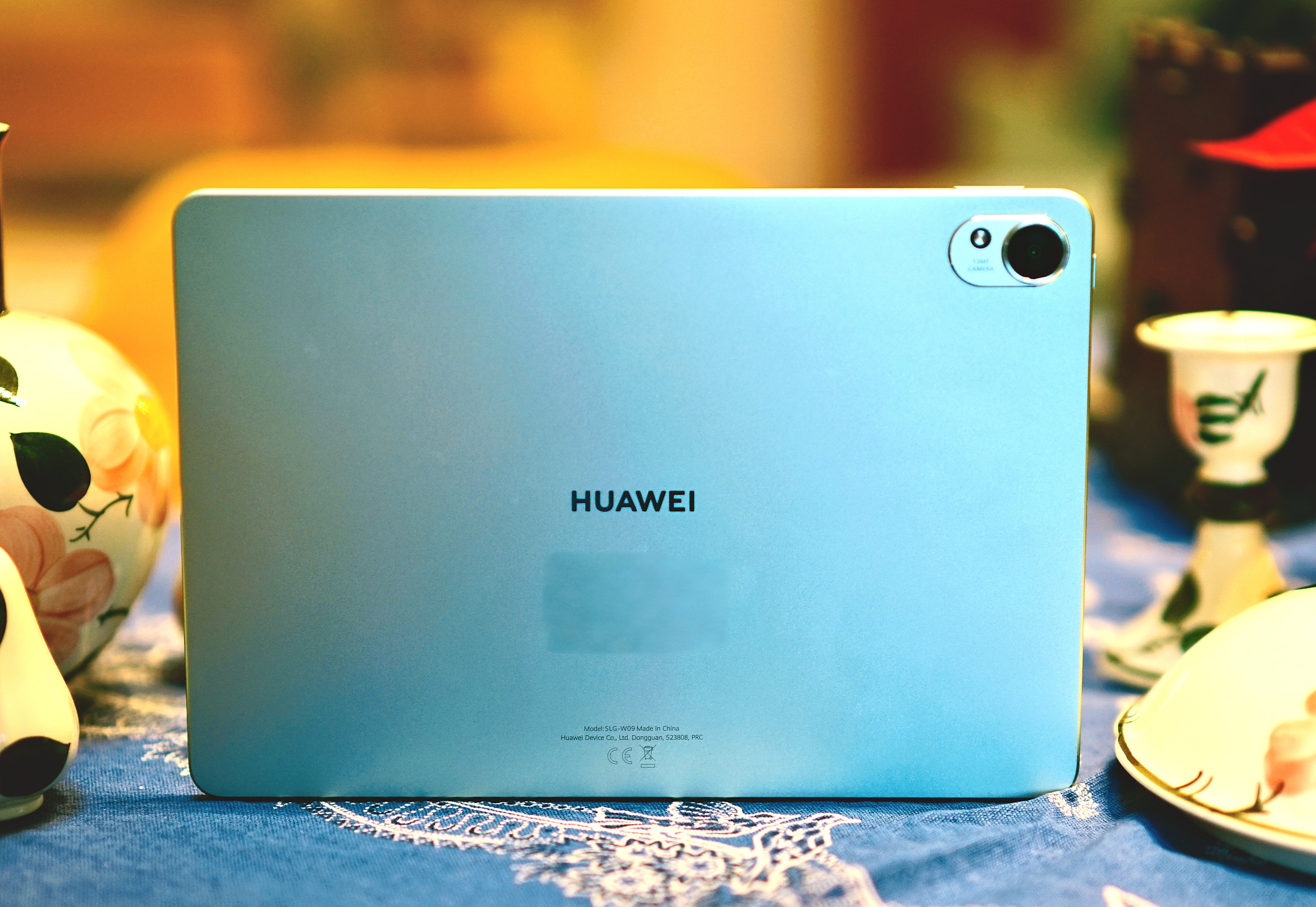
Huawei's latest tablet offering, the MatePad 11.5 S (2026), introduces several innovations rarely seen in its price segment, particularly its upgraded PaperMatte display technology. Priced at approximately €500, this device challenges competitors like Xiaomi by delivering specialized features typically reserved for premium devices.
The tablet's signature feature is its 11.5-inch PaperMatte display, which now boasts improved clarity and color accuracy while maintaining its anti-glare properties. Our measurements confirm 98% sRGB coverage and ΔE<2 color deviation, outperforming most matte displays in this category. The surface texture provides tangible paper-like friction for the included M-Pencil Pro stylus, which supports 16,384 pressure levels and tilt detection. Unlike conventional glossy screens, this matte finish completely eliminates fingerprints while enhancing outdoor visibility.
Regarding software limitations due to US sanctions, Huawei's approach has evolved. While Google services aren't pre-installed, users can successfully implement most Google applications through open-source tools like GSpace. The exceptions are Google Wallet and Google Pay, though these limitations prove inconsequential since the tablet lacks NFC capabilities. This practical workaround significantly reduces the impact of the sanctions for tablet users.
The M-Pencil Pro accessory demonstrates Huawei's attention to creative workflows. It ships with interchangeable tips optimized for different tasks: a softer tip for drawing and a firmer tip for note-taking. Gesture controls allow brush size adjustments or canvas navigation without touching the screen. When compared to Xiaomi's Pen Lite 2, Huawei's solution offers superior pressure sensitivity (16K vs. 4K levels) and lower latency (2ms vs. 5ms).
Hardware compromises exist. No cellular modem option is available, and the absence of GPS restricts location-based functionality. Battery endurance reached 9 hours 42 minutes in our web browsing test - respectable but overshadowed by the 12+ hour performance of Qualcomm-powered alternatives. The Kirin 9000WM chip delivers adequate performance for productivity tasks but exhibits higher power consumption than competing SoCs.
For prospective buyers, this tablet excels in specific scenarios:
- Digital artists benefit from the paper-like texture and professional-grade stylus
- Students appreciate the glare reduction for extended reading sessions
- Budget-conscious creators gain premium stylus features at mid-range pricing
Compared to Xiaomi's Pad 6 series, the MatePad offers superior display innovation and stylus capabilities but falls short in battery optimization and connectivity. The PaperMatte technology represents Huawei's most compelling differentiator, achieving visual quality indistinguishable from conventional displays while solving persistent issues like reflections and smudges.
As tablet manufacturers increasingly prioritize raw specs over experiential improvements, Huawei's focus on display innovation and input precision creates a unique value proposition. The MatePad 11.5 S (2026) demonstrates how specialized hardware can redefine mid-range expectations, though its appeal remains contingent on users' willingness to navigate software limitations and forego cellular connectivity.
Comments
Please log in or register to join the discussion