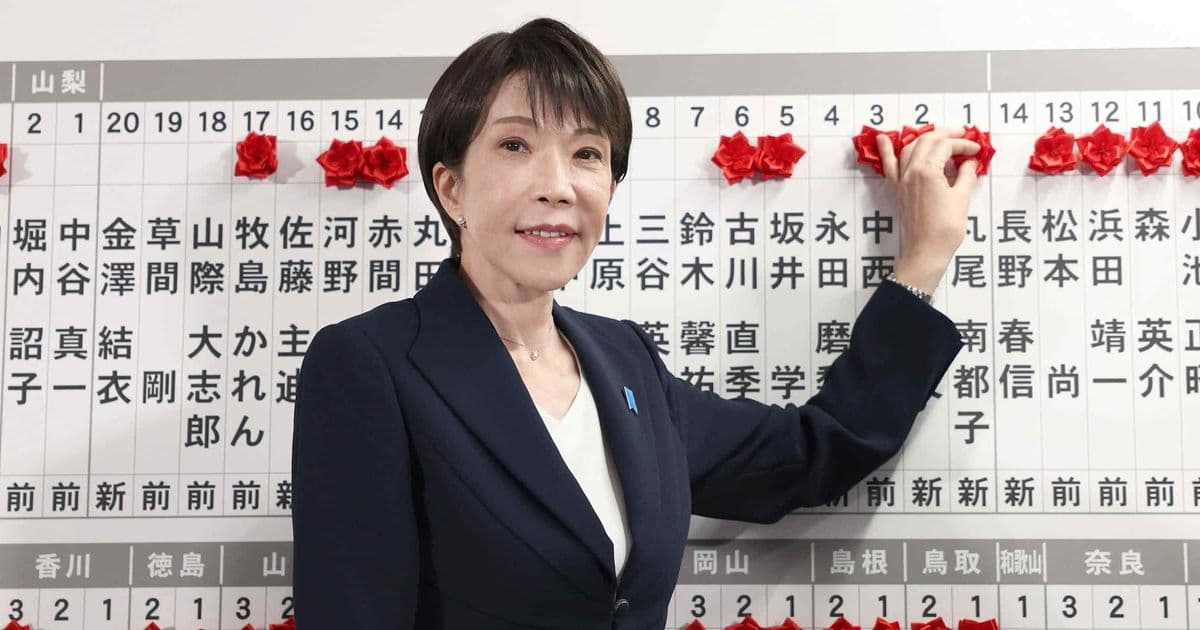
Prime Minister Sanae Takaichi's decisive election victory positions Japan's technology sector for policy continuity in semiconductors, AI infrastructure, and cybersecurity initiatives.
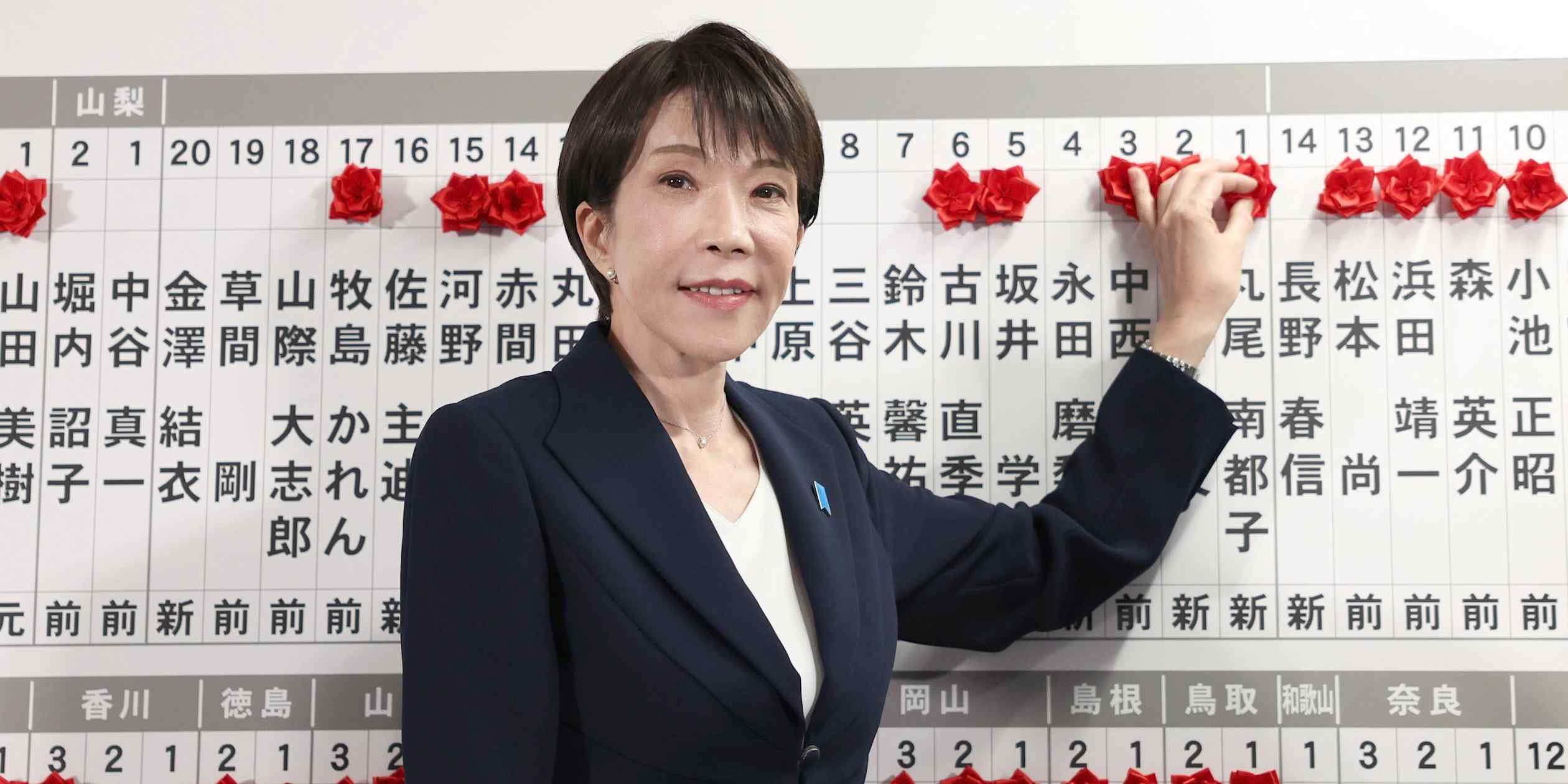
Prime Minister Sanae Takaichi's Liberal Democratic Party (LDP) secured a commanding parliamentary majority in Sunday's snap election, according to exit polls analyzed by Nikkei. The LDP's projected capture of 287 seats in the 465-member lower house provides Takaichi with a robust mandate to advance Japan's strategic technology priorities amid economic headwinds. For the $400 billion Japanese tech sector, this political certainty translates to accelerated implementation of key initiatives in semiconductor revitalization, AI infrastructure, and cybersecurity hardening.
Market analysts immediately highlighted implications for Japan's technology industrial policy. "A stable parliamentary base eliminates legislative uncertainty for multi-year tech investments," noted Naomi Watanabe, chief economist at Mizuho Securities. "We anticipate swift approval for the second tranche of Japan's 10-year semiconductor revitalization fund, currently valued at ¥5.2 trillion ($34.8 billion)." This includes subsidies for TSMC's Kumamoto fab expansion and domestic venture Rapidus' 2nm chip production target for 2027.
Three critical tech domains will see immediate impacts:
Semiconductor Sovereignty: Japan's METI will likely accelerate the disbursement of allocated subsidies to onshore advanced manufacturing. Current applications from Micron, Kioxia, and Sony-TSMC joint ventures total ¥1.7 trillion ($11.4 billion) pending final approval.
AI Infrastructure: Takaichi's Digital Agency will prioritize the delayed rollout of nationwide AI research clusters under the Moonshot R&D Program, targeting 30% efficiency gains in logistics and manufacturing by 2030 through AI-driven automation.
Cybersecurity Expansion: With defense spending poised to reach 2.5% of GDP, cybersecurity allocations will increase by ¥300 billion ($2 billion) annually. This funds the National Cybersecurity Incident Response Framework and quantum-resistant encryption migration outlined in last year's Critical Infrastructure Protection Act.
Financial markets responded positively with the TOPIX Electrical Machinery Index rising 2.3% in early trading. Major tech conglomerates including SoftBank Group and NEC saw bond yield spreads tighten by 15 basis points, reflecting investor confidence in policy continuity. Longer-term, Morgan Stanley projects the political stability could unlock $18 billion in deferred corporate tech investments through 2027.
However, structural challenges persist. Japan's tech workforce deficit remains at 790,000 skilled workers according to METI's 2025 white paper. The administration must now deliver on promised immigration reforms and STEM education overhauls to meet semiconductor production targets. With China controlling 60% of rare earth mineral processing critical for electronics manufacturing, supply chain diversification remains another urgent priority.
The electoral outcome positions Japan to execute its technology roadmap without legislative gridlock. For global partners, this signals reliability in joint initiatives like the U.S.-Japan Critical and Emerging Technology Committee focused on advanced chip research. As Takaichi prepares her cabinet reshuffle this week, technology ministers with expertise in semiconductor economics and AI governance are expected to retain key positions.
Comments
Please log in or register to join the discussion