A new AJ+ documentary revisits reporting by Annenberg Media that uncovered the sale of donated cadavers from USC and UC schools to the US Navy, which in turn supplied some bodies for training Israeli military medical personnel. The film highlights families’ anger, questions consent practices, and draws criticism from the institutions while also noting the limited transparency of military‑training contracts.
What the documentary reveals
AJ+’s latest short, Israeli Military Medics Are Training On Dead Americans, builds on a series of investigations first published by Annenberg Media in 2023. Those reports described how the University of Southern California’s Anatomical Gift Program and several University of California campuses entered contracts with the US Navy to provide cadavers for forensic and trauma‑training exercises. The Navy, in turn, allocated a portion of those specimens to Israeli Defense Forces (IDF) medical schools.
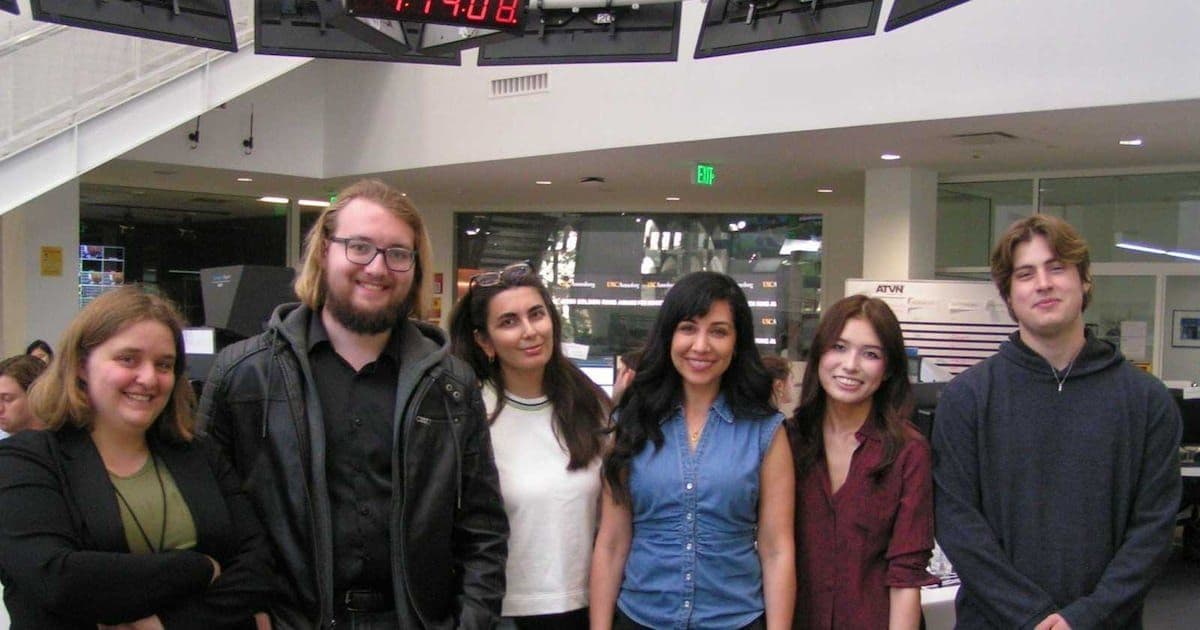
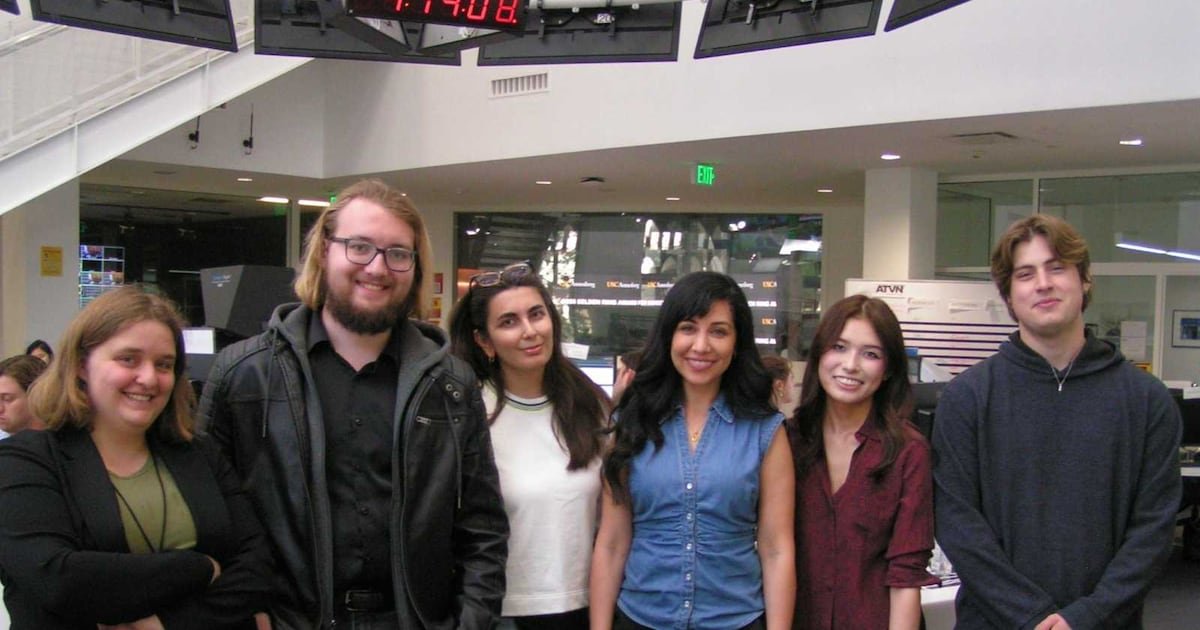
The film follows two student newsrooms—Annenberg Media and the UC San Diego Guardian—as they track the fallout among donor families, interview physicians involved in the program, and confront the universities’ public statements. The narrative is anchored by the story of 101‑year‑old Jeanette Volpin, whose body was donated through USC’s program without her family being warned that it could be used in overseas military training. Her daughter, Miriam, described the revelation as a breach of trust that “destroyed any confidence” she had in the institution.
Why the story matters to the tech‑savvy community
The controversy touches on data‑privacy‑style concerns that many developers and security professionals already grapple with: consent, provenance, and the downstream use of a resource that was originally provided under a specific set of expectations. In the same way that open‑source licenses require clear attribution and usage limits, the medical‑donation system is now being asked to disclose the full chain of custody for each specimen. The lack of a publicly searchable registry for body‑donation contracts mirrors broader calls for transparency in AI training data sets and cloud‑service supply chains.
Institutional responses
USC’s Keck School of Medicine issued a statement emphasizing its commitment to “the highest standards of medical education” and asserting that its mission is “irrespective of political ideology, social status, or creed.” UC Health has recently added a line to its FAQ noting that donated bodies may be “shared” with other institutions, including military programs, but the language remains vague.
A letter from UC San Diego’s administration to a donor who revoked her consent after the story broke read, “We will not be responding to factually inaccurate reporting by student reporters who have an agenda.” The tone of that reply has been cited by critics as dismissive and indicative of a broader reluctance to engage with public scrutiny.
Counter‑perspectives
Proponents of the program argue that cadaver‑based trauma training saves lives, both for US service members and for allied forces that face similar battlefield injuries. A retired Navy surgeon, speaking on condition of anonymity, said the practice “provides realistic anatomy that no simulator can fully replicate,” and that the contracts are governed by federal regulations that permit the sharing of resources for national‑security purposes.
Some legal scholars point out that donors sign a broad consent form that includes language about “educational and research use,” which can be interpreted to cover military training. They caution against retroactively applying civilian‑privacy expectations to a system that has historically operated under a different set of norms.
What’s next?
The documentary ends with a call for a standardized, publicly accessible consent framework for body donation, similar to the emerging “model contracts” used in open‑source licensing. Student journalists involved in the investigation hope their work will spur legislative review and encourage universities to adopt clearer opt‑out mechanisms.
For developers and security experts watching the story, the key takeaway is that transparency gaps can appear in any supply chain—whether it’s code, cloud infrastructure, or even human tissue. As the debate unfolds, the community may see new tools or platforms aimed at tracking consent and usage rights across institutional boundaries.
If you have information about the program or wish to discuss the investigation, you can reach out to the journalists via the contact details provided in the documentary.
Comments
Please log in or register to join the discussion