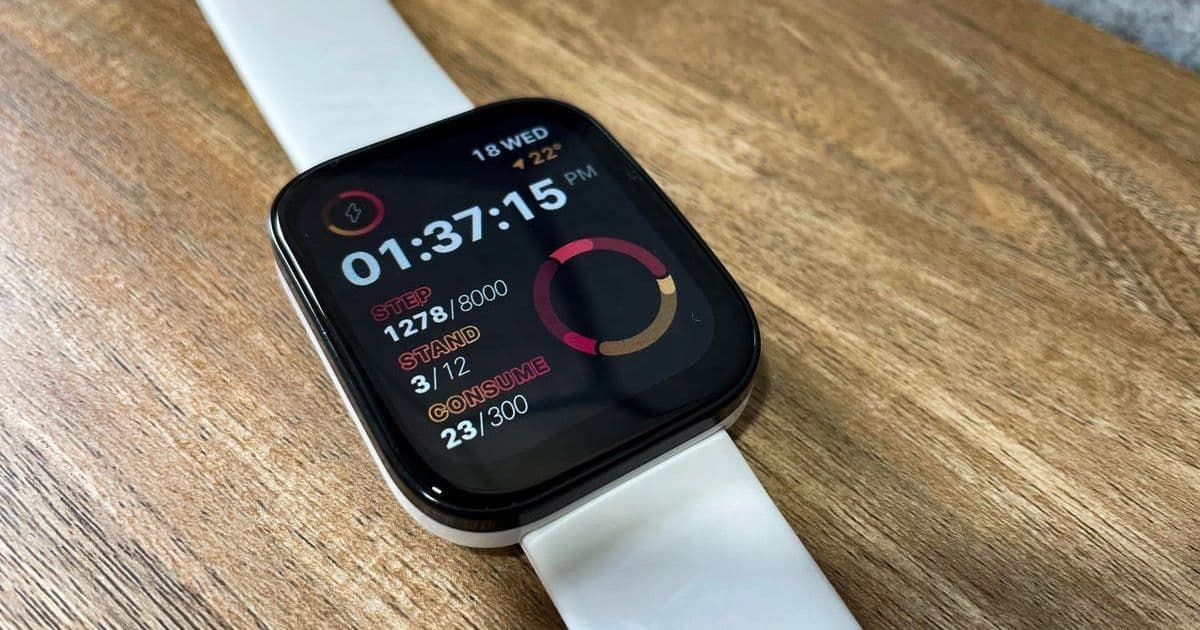
Priced under $90, Amazfit's BIP 5 leverages the sophisticated Zepp app to offer extensive health and fitness tracking, rivaling premium wearables. While its sensors show occasional accuracy limitations and the design reflects its budget status, standout battery life and data-rich analytics make it a compelling option for developers and tech-savvy users prioritizing value over precision.
In a market saturated with high-priced smartwatches, Amazfit's BIP 5 emerges as a noteworthy contender, proving that robust health tracking doesn't require a premium investment. Priced around $89 (and frequently discounted to $70), this Android-compatible wearable taps into the powerful Zepp ecosystem—the same platform driving Amazfit's costlier models—to deliver a surprisingly comprehensive suite of metrics. For developers and engineers focused on wearable tech trends, the BIP 5 exemplifies how software can elevate budget hardware, though not without trade-offs.
Hardware: Function Over Form
The BIP 5’s physical design immediately signals its budget nature. The 1.9-inch display is functional but lacks the vibrancy of AMOLED screens found in premium devices, and the included silicone band feels basic. Its IP68 rating ensures splash resistance, making it suitable for workouts or rain, but it falls short for swimming or showers—a clear limitation for fitness enthusiasts. 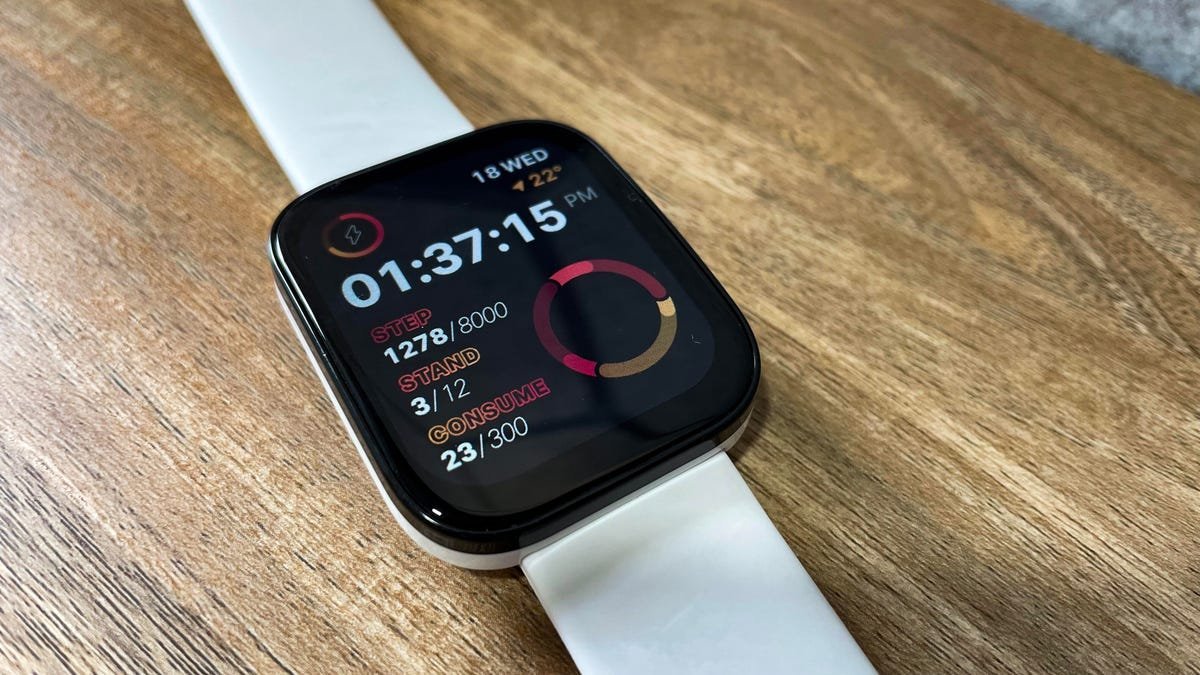
Where it shines unexpectedly is battery life. During testing, including a six-day international trip without charging, the watch consistently lasted over a week. For developers prototyping low-power IoT devices, this efficiency is a case study in optimizing battery performance without sacrificing core functionality.
Health Tracking: Zepp App Elevates, but Sensors Lag
Amazfit’s secret weapon is the Zepp app, which transforms the BIP 5 into a data powerhouse. It offers:
- PAI (Personal Activity Indicator): A holistic score aggregating cardiorespiratory data from all activities, aiming for 100 weekly points.
- 120+ Sport Modes: Including GPS-powered running maps, workout templates, and progress predictions.
- Advanced Sleep Analysis: AI-generated reports flagging disruptions like late-night alcohol consumption, though consistency is hit-or-miss.
"Zepp’s PAI system evaluates health broadly, not just through isolated metrics—this contextual approach is where the BIP 5 punches above its weight," notes the ZDNET review.
Yet, hardware limitations surface. The optical heart rate sensor often misfires during gym sessions, erroneously prompting "keep moving" alerts mid-exercise. Sleep tracking sometimes misinterprets restfulness, penalizing schedule deviations even when users feel refreshed. For engineers, this underscores the challenge of balancing algorithmic sophistication with sensor accuracy in cost-sensitive devices.
The Verdict: A Budget Powerhouse with Caveats
The BIP 5 excels as a gateway to advanced health analytics, particularly for those prioritizing battery life and app integration over clinical-grade precision. Its value proposition is strongest for:
- Developers exploring wearable data ecosystems without hefty investment.
- Users seeking Zepp’s rich insights (like sleep disruption analysis) but unwilling to pay premium prices.
- Fitness beginners needing GPS and routine tracking, albeit with tolerance for occasional inaccuracies.
While it won’t replace high-end Garmin or Apple Watches for athletes, the BIP 5 democratizes access to sophisticated health tech—proving that in wearables, software ingenuity can often compensate for hardware constraints. For the tech community, it’s a reminder that innovation isn’t always synonymous with a high price tag.
Source: ZDNET
Comments
Please log in or register to join the discussion