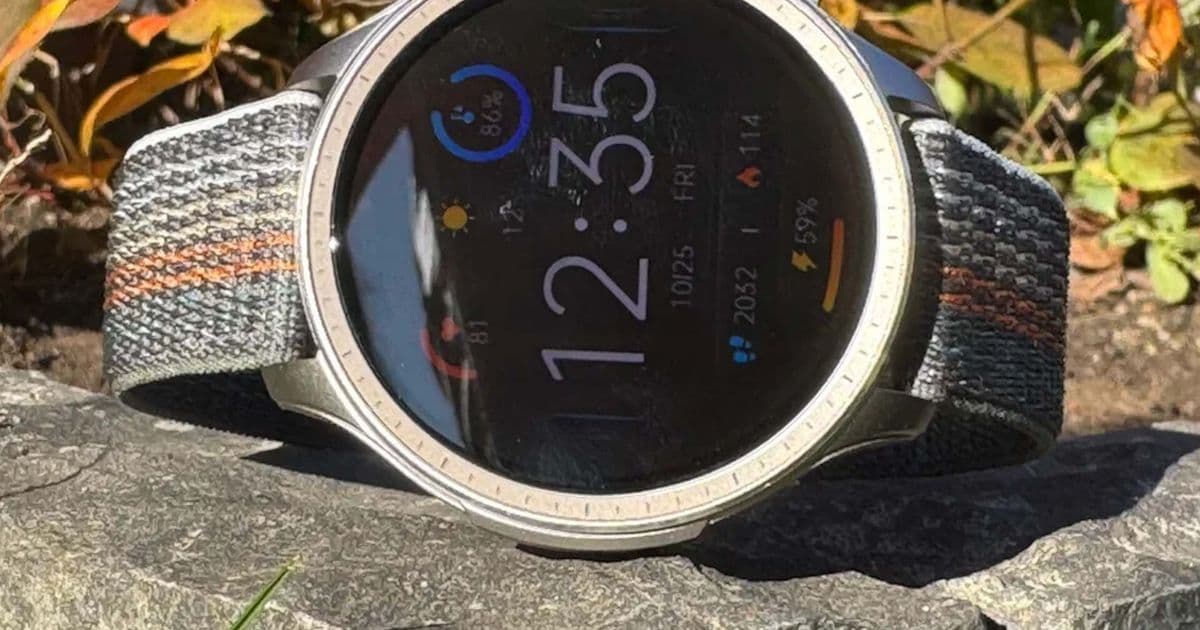
Zepp Health outlined a wave of software updates for the Amazfit lineup, from BioCharge support on the Balance to new training analytics across Zepp OS 6. The roadmap promises more data‑driven features for even older models, while flagship wearables like the T‑Rex 3 and Active 3 Premium receive targeted enhancements.
Amazfit Smartwatches Get a Feature Boost – What’s New and Who Benefits
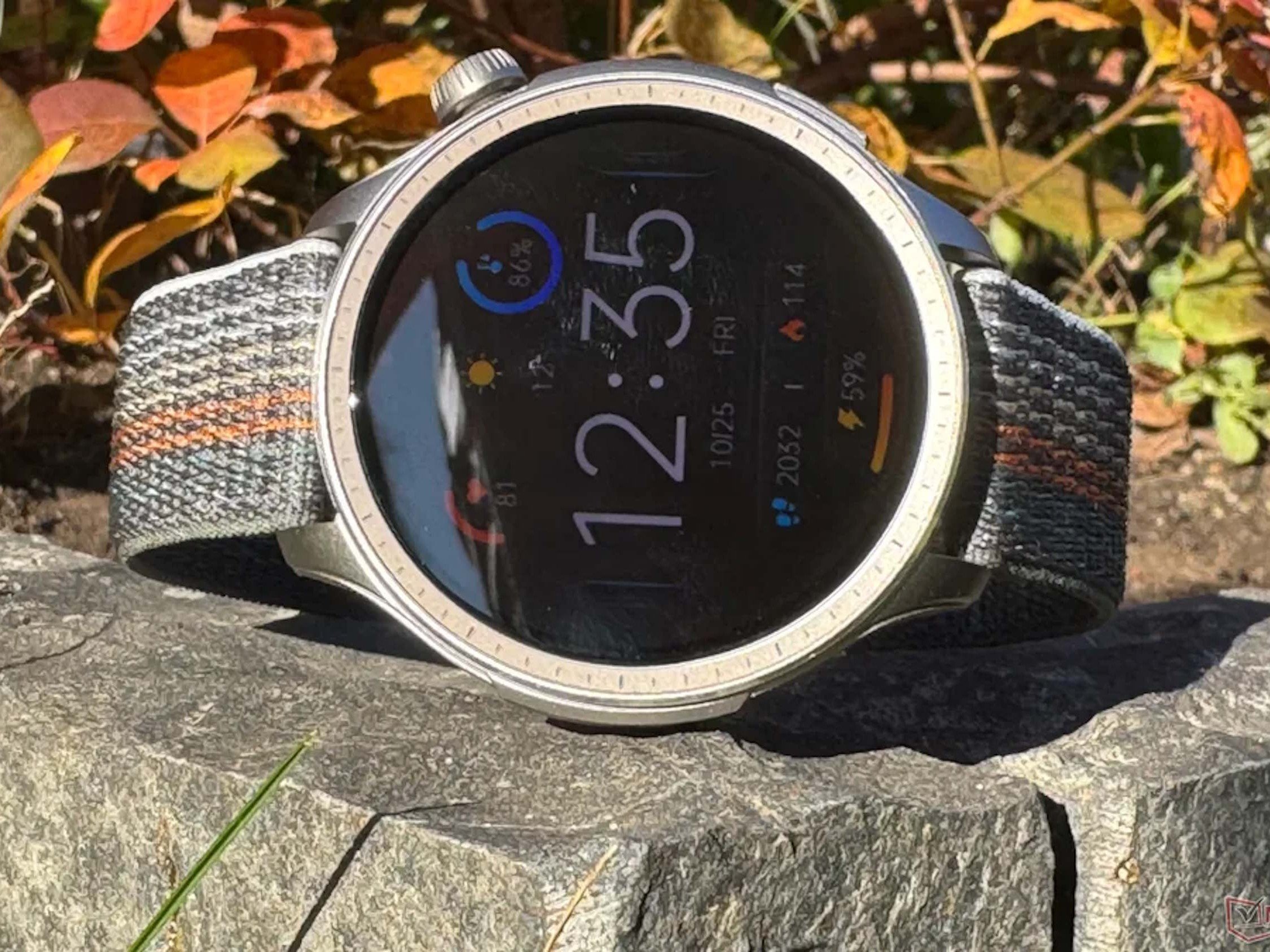
Zepp Health has just published a detailed update schedule for its Amazfit family. The company isn’t rolling out a new hardware generation; instead it is layering a series of software‑only upgrades that will extend the usefulness of devices that are already on the market. Below is a breakdown of the most relevant changes, how they compare to what the watches currently offer, and which users should care most about each addition.
1. BioCharge Support – Coming to the Amazfit Balance
What’s new: Starting this month the Balance will be able to read BioCharge data, a proprietary metric that estimates the body’s charge‑balance based on heart‑rate variability and skin conductance. The feature is already present on newer Zepp OS 6 devices, but the Balance has been left out until now.
Why it matters: BioCharge gives a quick snapshot of recovery status, similar to the “stress score” on the GTR series. For users who rely on the Balance for daily activity tracking rather than high‑end sport metrics, this adds a health‑monitoring layer that previously required a more expensive watch.
Who benefits: Casual fitness enthusiasts who wear the Balance for its long battery life (up to 30 days) will now have a useful recovery indicator without sacrificing endurance.
2. Expanded Third‑Party Integration
| Integration | Current Status | Planned Feature |
|---|---|---|
| Helio Strap | Supported for basic notifications | Full health‑data sync, including VO₂ max and sleep stages |
| TrainingPeaks | Manual export only | Direct upload of workouts and training stress scores |
| Intervals.icu | No integration | Real‑time interval data push for cyclists and runners |
| Stryd | Community workarounds | Native power‑meter data, cadence, and form power |
Impact: By opening official APIs to these platforms, Zepp Health is turning the Amazfit ecosystem into a more open hub for athletes who already use dedicated training software. The move narrows the gap with premium competitors such as Garmin and Suunto, which have long offered seamless third‑party sync.
Who benefits: Runners, cyclists, and triathletes who track performance in TrainingPeaks or Intervals.icu will see a smoother workflow, while Stryd users finally get native power‑meter readouts on a budget wrist‑device.
3. Feature Refresh for the T‑Rex 3
Zepp Health confirmed that the rugged T‑Rex 3 will receive a batch of updates, though the exact list is still under wraps. Based on the company’s recent pattern, we can expect:
- Improved GPS accuracy – a firmware tweak that reduces drift in dense urban canyons.
- Enhanced altitude‑based alarms – useful for mountaineers and trail runners.
- Battery‑optimisation mode – extending the already solid 14‑day endurance by up to 20 % during low‑activity periods.
Why it matters: The T‑Rex line is positioned as a budget‑friendly alternative to the rugged Garmin Fenix series. Incremental improvements in navigation and power management keep it competitive without a price jump.
Who benefits: Outdoor adventurers who need a durable watch but don’t want to pay premium prices for GPS refinements.
4. Active 3 Premium – Workout Calendar & More
The Active 3 Premium is slated for a workout calendar that will display upcoming training sessions directly on the watch face. Additional, still‑unconfirmed, features include:
- Dynamic warm‑up suggestions based on recent activity trends.
- Auto‑pause detection for interval training.
Why it matters: The calendar turns the watch into a lightweight planner, reducing reliance on a phone for schedule checks. For users who already track workouts on Zepp’s mobile app, the integration feels natural.
Who benefits: Fitness‑focused users who juggle multiple training types (e.g., running, strength, yoga) and want a quick glance at what’s next.
5. Zepp OS 6 Rollout – The Core Upgrade
All devices will receive the Zepp OS 6 update this month. Key improvements include:
- Launcher 2.0 – a more responsive UI with customizable shortcuts.
- Smarter voice assistant – better handling of natural‑language queries about weather, calendar events, and health stats.
- Expanded training analysis – new metrics such as exhaustion level and lactate threshold estimation calculated from heart‑rate trends.
- Additional workout modes – including rowing, ski‑mountaineering, and indoor cycling.
Comparison to previous OS: Zepp OS 5 was functional but lacked depth in performance analytics. The new version pushes the platform closer to the analytical capabilities of Garmin’s proprietary OS, while retaining a lightweight footprint that keeps battery life high.
Who benefits: Anyone who uses the watch for serious training will see more actionable data, while casual users gain a smoother interface and better voice interaction.
6. Zepp Flow – New Features for the Smart‑Band Companion
Zepp Flow, the band‑style companion that pairs with many Amazfit watches, will also get a feature set that mirrors the OS 6 enhancements. Expected additions:
- Quick‑reply gestures – swipe patterns to send canned responses.
- Improved health alerts – early warnings for abnormal heart‑rate spikes during sleep.
Why it matters: Flow acts as a secondary display for notifications and health data. Adding richer interaction options makes it a more viable alternative to a full‑size smartwatch for users who prefer a low‑profile device.
7. Timeline & Rollout Strategy
Zepp Health has not published exact dates for each rollout, but the general schedule looks like this:
- Mid‑May – BioCharge on Balance, Helio Strap integration, OS 6 core update.
- Late May – TrainingPeaks/Intervals.icu sync, Stryd native support.
- Early June – T‑Rex 3 GPS tweaks, Active 3 Premium calendar.
- Mid‑June – Zepp Flow gesture updates and health alerts.
All updates will be delivered over‑the‑air (OTA) via the Zepp app, which means users can install them without connecting to a PC. Existing devices will retain their current battery life expectations because the OS is optimized for low‑power operation.
8. Bottom Line – Who Should Upgrade?
| User Type | Recommended Action |
|---|---|
| Budget fitness tracker owners (Balance, Bip 3) | Install the OS 6 update to unlock BioCharge and new training metrics – no hardware change needed. |
| Serious athletes (T‑Rex 3, Active 3 Premium) | Enable the third‑party integrations and the workout calendar; the added analytics justify the update. |
| Outdoor enthusiasts (T‑Rex 3, GTR 4) | Look for the GPS and altitude‑alarm tweaks; they will improve navigation reliability. |
| Casual users (Flow band, basic Amazfit models) | The UI refresh and voice assistant improvements make daily use smoother, so update when prompted. |
In short, Zepp Health’s software‑first strategy is paying off. By extending the lifespan of older hardware with meaningful health and training features, Amazfit is positioning its lineup as a cost‑effective alternative to premium wearables without compromising on data depth. Keep an eye on the Zepp app for the OTA prompts, and you’ll be able to enjoy the new capabilities within weeks.
Sources: Zepp Health press release, internal roadmap documents.
Comments
Please log in or register to join the discussion