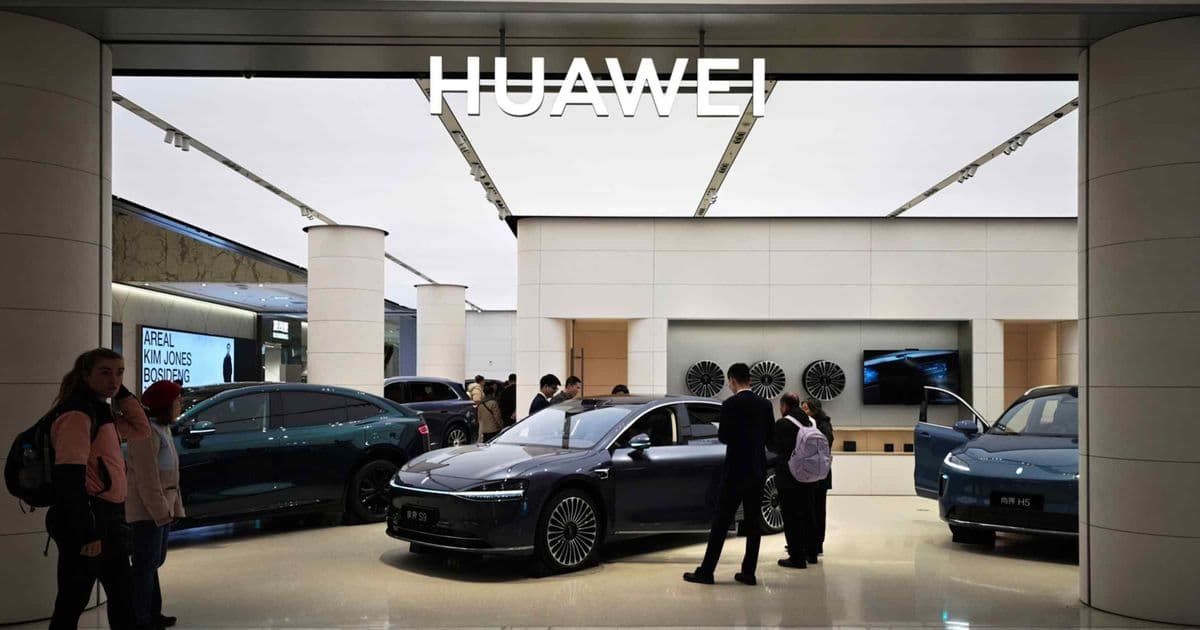
Huawei Technologies, without building a car itself, leveraged the 2026 Auto China exhibition to cement its role as a dominant supplier of smart‑car hardware, software and services, driving a surge in its automotive revenue that is now approaching pre‑U.S. sanctions levels.
Business news
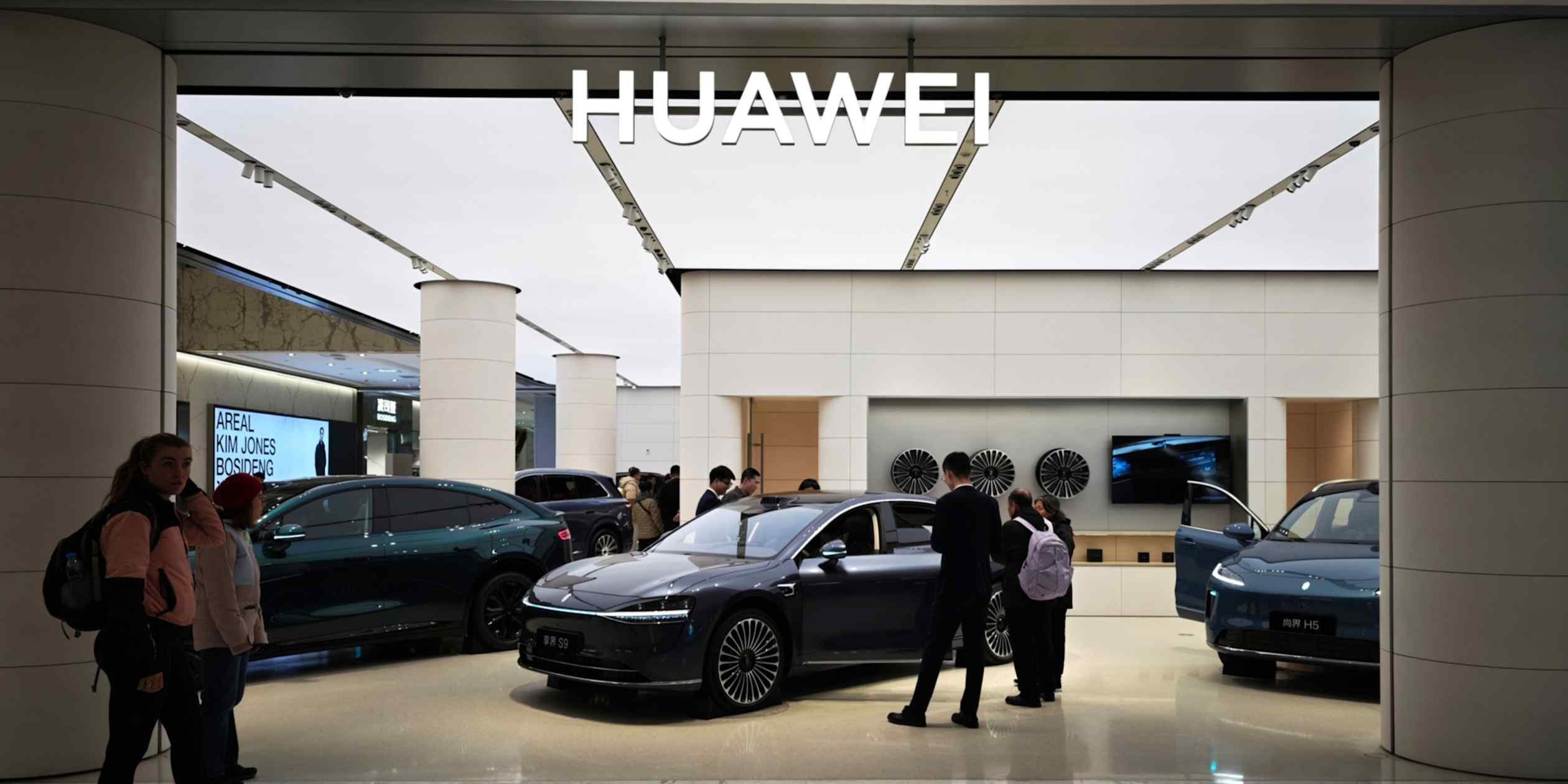
At the Auto China 2026 show in Beijing, the name Huawei appeared on more than half of the exhibitor booths, from infotainment screens to full‑stack autonomous driving platforms. The Chinese tech giant did not unveil a proprietary vehicle, but it used the event to announce three new product lines:
- Huawei Inside – a turnkey solution that bundles 5G‑enabled telematics, the Ascend 310 AI chip, and a cloud‑based OTA update service for OEMs.
- HiCar OS 3.0 – the latest version of its vehicle‑grade operating system, now supporting over 1,200 third‑party apps and integrated with the company’s HarmonyOS ecosystem.
- XCharge Ultra – a bidirectional fast‑charging module that can deliver 350 kW DC charge while feeding energy back to the grid, aimed at fleet and robotaxi operators.
These announcements came alongside a partnership roster that now includes BYD, Geely, Changan and FAW, collectively accounting for roughly 45 % of China’s passenger‑car sales in 2025.
Market context
China remains the world’s largest auto market, with 2025 sales topping 28 million units, according to the China Association of Automobile Manufacturers (CAAM). OEMs are under pressure to meet the government’s 2027 target of 50 % new‑energy vehicle (NEV) penetration and to embed advanced driver‑assistance systems (ADAS) that qualify for the upcoming “Level‑3+” subsidy tier.
Huawei’s automotive division reported ¥78 billion ($11.2 billion) in revenue for the fiscal year ending December 2025, a 23 % YoY increase from the previous year and the first time the segment has approached its pre‑sanctions peak of ¥85 billion in 2022. The rebound is largely driven by:
- 5G‑connected car platforms – carriers such as China Mobile have signed multi‑year agreements to provide dedicated network slices for Huawei‑enabled vehicles, promising sub‑10 ms latency for V2X services.
- AI chip adoption – the Ascend 310, now shipped in over 1.1 million vehicles, delivers 2.5 TFLOPs of AI compute, enabling real‑time perception for lane‑keeping, pedestrian detection and predictive cruise control.
- Software licensing – OEMs are moving from one‑off hardware purchases to recurring revenue models for HiCar OS, with average annual license fees of ¥3,200 per vehicle.
Analysts at Bloomberg Intelligence estimate that Huawei’s share of the Chinese automotive‑software market could rise from 12 % in 2025 to 18 % by 2028, narrowing the gap with domestic rivals such as Baidu Apollo and foreign players like Nvidia’s DRIVE platform.
What it means
OEMs gain a domestic, vertically integrated alternative – With U.S. export controls limiting access to certain semiconductor technologies, Chinese manufacturers have turned to Huawei for a home‑grown stack that combines connectivity, AI processing and OTA capabilities. This reduces supply‑chain risk and aligns with the government’s “dual circulation” policy.
Revenue diversification for Huawei – The automotive segment now accounts for roughly 15 % of Huawei’s total revenue, up from 9 % two years ago. The shift helps offset slower growth in its traditional telecom equipment business, where 5G rollout has plateaued.
Competitive pressure on legacy suppliers – Companies such as Bosch and Continental, which have historically supplied ADAS hardware, face pricing pressure as Huawei’s economies of scale allow it to price the Ascend 310 at roughly ¥1,200 per unit, 30 % below comparable foreign chips.
Implications for the robotaxi race – Huawei’s XCharge Ultra and its cloud‑based fleet‑management platform position it as a key enabler for robotaxi operators. Early pilots with Didi and Pony.ai suggest a potential reduction of operating costs by 12 % per kilometre, primarily through faster charging cycles and predictive maintenance.
Regulatory watch – While Huawei’s expansion is welcomed by Chinese policymakers, it also draws scrutiny from U.S. and EU regulators concerned about data sovereignty. Huawei has pledged to store vehicle telemetry within China’s borders and to open its APIs to third‑party auditors, a move that may mitigate some export‑control concerns.
Overall, the Auto China 2026 show signaled that Huawei’s strategy of becoming an “in‑car brain” rather than a carmaker is paying off. By embedding its technology across a broad swath of Chinese OEMs, the company is reshaping the revenue mix of the nation’s auto sector and setting a template that could be replicated in other emerging markets.
Sources
Comments
Please log in or register to join the discussion