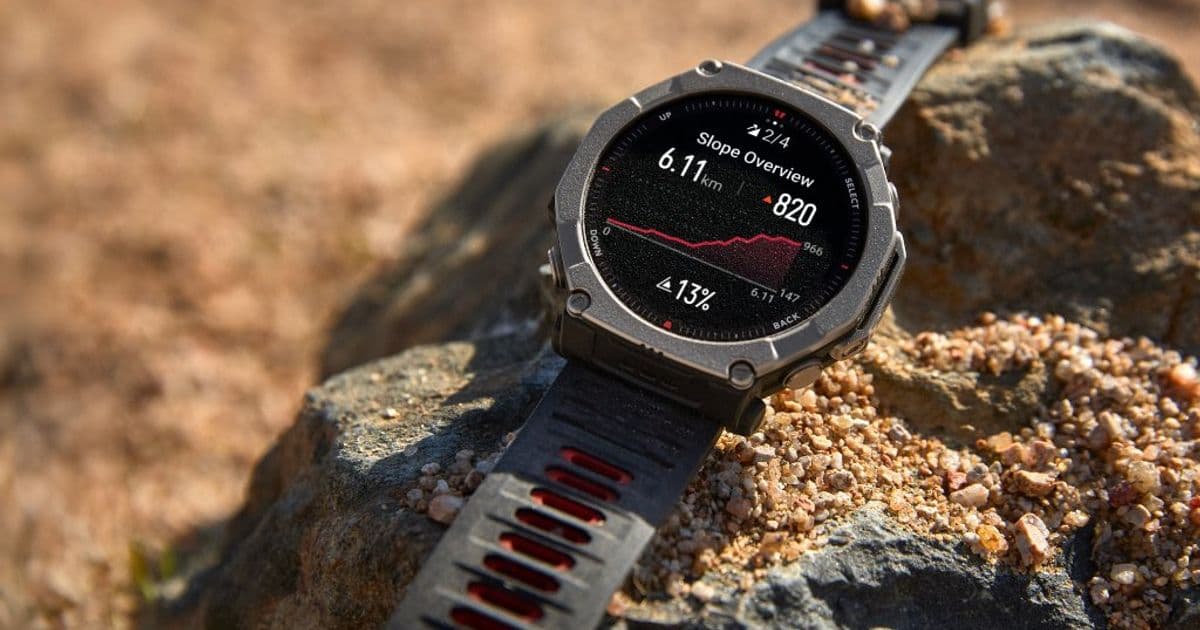
Amazfit's new flagship rugged smartwatch delivers a 74% larger battery, 3,000-nit display, and Grade-5 titanium construction while maintaining extreme durability certifications.
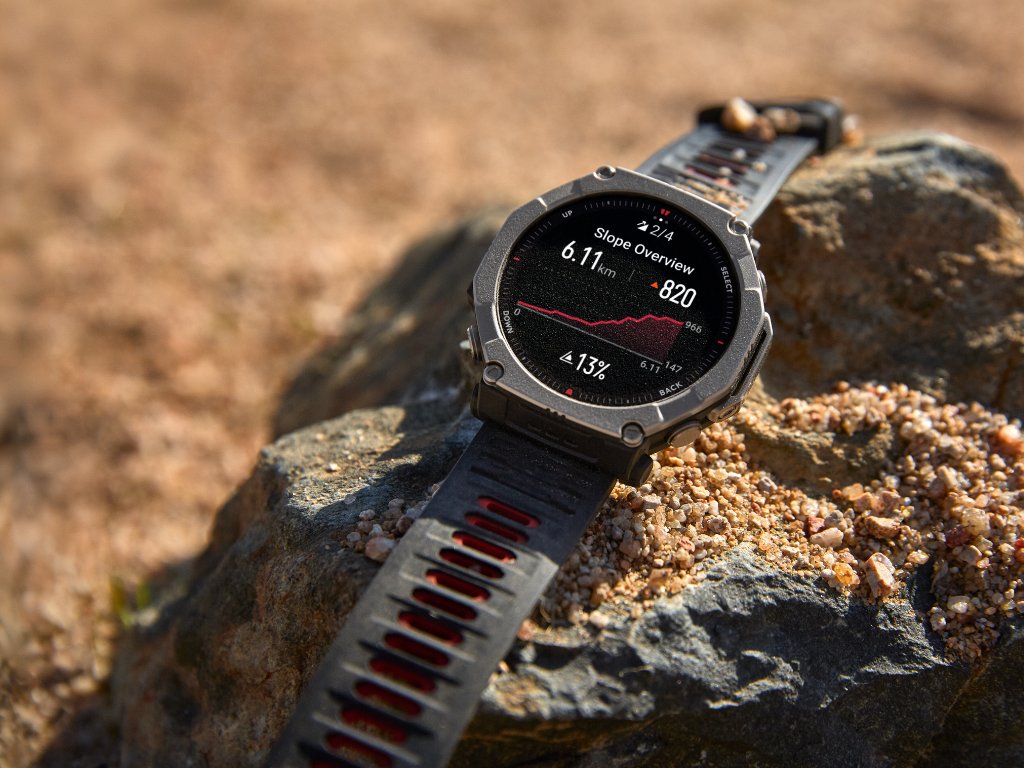
Amazfit has officially launched the T-Rex Ultra 2, positioning it as the new flagship in its rugged outdoor smartwatch lineup. Designed for adventurers who push boundaries, this iteration brings substantial hardware improvements over its predecessor while maintaining the series' signature toughness. The most significant upgrade comes in power delivery: The Ultra 2 houses an 870 mAh high-density battery, marking a 74% capacity increase over the original T-Rex Ultra's 500 mAh cell. Despite this major energy storage boost, Amazfit achieved near-identical weight (89.2g vs. 89g) through strategic material choices.
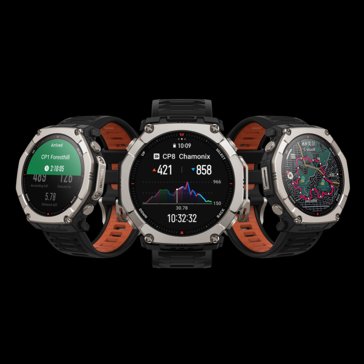
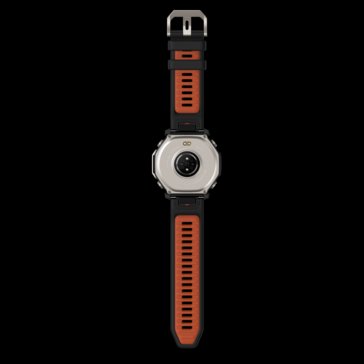
Material Science Meets Rugged Design The weight efficiency stems from replacing the previous model's 316L stainless steel components with aerospace-grade titanium. The bezel, case back, and hardware buttons now utilize Grade-5 titanium, offering superior strength-to-weight ratio and corrosion resistance. This material choice directly benefits endurance athletes and mountaineers where every gram matters during extended expeditions.
Visual Performance Revolution Visibility receives a massive upgrade with a 1.5-inch AMOLED display protected by scratch-resistant sapphire glass. The panel now peaks at 3,000 nits brightness—a 300% increase from the original Ultra's 1,000-nit ceiling. This makes the Ultra 2 readable in direct desert sunlight or high-altitude glare conditions where competitors like Garmin's Fenix 7 (1,000 nits) struggle. Color reproduction and touch responsiveness remain excellent for map navigation.
Navigation and Storage Overhaul Internal storage jumps from 4GB to 64GB, enabling pre-loaded topographic maps with terrain differentiation between paved and unpaved paths. Unlike the previous model requiring manual OSM file imports, the Ultra 2 provides native turn-by-turn navigation leveraging six concurrent satellite systems (GPS, GLONASS, Galileo, etc.). For backcountry explorers, this eliminates smartphone dependency for route finding.
Practical Adventure Features Hardware utility sees meaningful additions:
- Integrated dual-mode LED flashlight (200/300-lux settings + SOS strobe) replaces screen-based lighting
- NFC payment support added for European markets
- Maintains MIL-STD-810H durability certification, -30°C cold resistance, and 10 ATM water rating
The dual-mode flashlight proves particularly valuable for climbers securing gear at dawn/dusk or signaling during emergencies—functionality absent in Coros Vertix 2 or Suunto 9 Peak Pro models.

Battery and Endurance Considerations While official battery life metrics await testing, the 74% capacity increase suggests substantial runtime gains. The original Ultra managed 20 days typical use and 60 hours GPS tracking—expect proportional improvements. Energy efficiency remains critical since the brighter display consumes more power, though Amazfit's power management algorithms likely offset this.
Pricing and Target Audience Priced at €512.90 (~$605) based on European listings, the Ultra 2 positions itself against premium multisport watches. It's ideal for:
- Mountaineers needing altitude-readable displays
- Ultra-runners requiring multi-day GPS tracking
- Scuba divers utilizing 10 ATM resistance
- Winter sports enthusiasts operating below -20°C

Compared to the original T-Rex Ultra (€349 launch price), the €163 premium buys titanium construction, triple-brightness display, 16x storage, and enhanced navigation. Against Garmin's Epix Pro (€899), it offers comparable durability at 43% lower cost while sacrificing some sport-specific metrics.
The Verdict Amazfit delivers a purpose-built upgrade addressing key pain points for outdoor users. The titanium build, transformative display brightness, and massive battery boost make the Ultra 2 a compelling choice for adventurers who prioritize visibility and endurance over smart features. While fitness tracking accuracy requires real-world testing, the hardware package sets a new benchmark in its price segment for extreme environment readiness.
Comments
Please log in or register to join the discussion