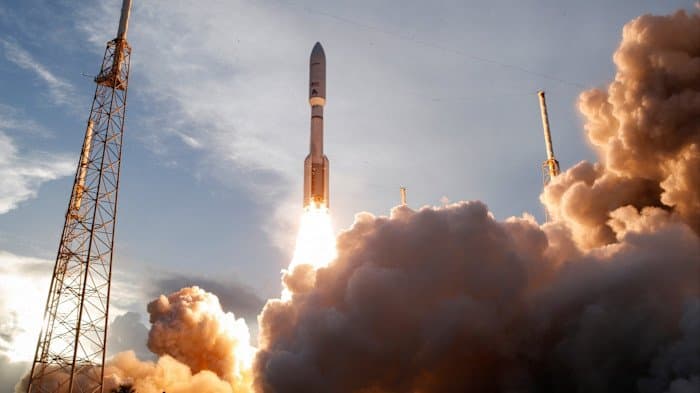
Amazon is in talks to acquire Globalstar to bolster its low Earth orbit satellite business, but Apple's 20% stake in the company complicates the deal.
Amazon is reportedly in advanced talks to acquire Globalstar, a move that would significantly bolster the e-commerce giant's low Earth orbit satellite business and help it compete with SpaceX's Starlink internet service. However, the deal faces a major complication: Apple currently holds a 20% stake in Globalstar, creating a complex web of interests that could derail the acquisition.
The Strategic Rationale
The acquisition would give Amazon a substantial foothold in the satellite internet market, an area where it has been playing catch-up to Elon Musk's SpaceX. Globalstar operates a constellation of satellites that provide voice and data communications, particularly in remote areas where traditional cellular networks don't reach. This technology could be integrated with Amazon's Project Kuiper, its own planned satellite internet constellation.
For Amazon, the timing is critical. SpaceX has already launched thousands of Starlink satellites and is providing internet service to millions of customers worldwide. Amazon's Project Kuiper is still in development, with its first satellites not expected to launch until later this year. Acquiring Globalstar would give Amazon immediate satellite capabilities while it builds out its own constellation.
Apple's Complicating Factor
Apple's 20% stake in Globalstar stems from a partnership announced in 2022 to enhance emergency satellite connectivity for iPhones. This collaboration allows iPhone 14 and newer models to send emergency messages via satellite when cellular service is unavailable. The partnership has been successful, with Apple reporting that millions of emergency messages have been sent through the system.
Apple's involvement creates several complications for any potential acquisition:
Strategic Alignment: Apple's satellite strategy focuses on emergency communications and location services for its devices, not providing broad internet access. This differs significantly from Amazon's vision of satellite internet for mass consumer and business use.
Financial Considerations: Apple's stake represents a significant investment that would need to be addressed in any acquisition. The company would likely demand a premium for its shares, potentially making the deal more expensive for Amazon.
Regulatory Scrutiny: Any deal involving Apple would face intense regulatory scrutiny, given the company's dominant position in the smartphone market and its existing partnership with Globalstar.
The Broader Satellite Race
The potential acquisition highlights the intensifying competition in the satellite internet space. Beyond SpaceX and Amazon, companies like OneWeb, Telesat, and even traditional telecom giants are investing billions in satellite constellations. The market for satellite internet is projected to grow from $6.3 billion in 2023 to over $16 billion by 2030, according to industry analysts.
This competition is driving rapid innovation but also creating a crowded field where only a few players may ultimately survive. The capital requirements for building and launching satellite constellations are enormous, with Amazon alone planning to invest over $10 billion in Project Kuiper.
Technical and Operational Synergies
If the acquisition proceeds, Amazon could leverage Globalstar's existing satellite infrastructure and ground stations to accelerate its own satellite internet plans. Globalstar's satellites operate in the S-band spectrum, which is well-suited for mobile communications and could complement Amazon's planned Ku-band and Ka-band satellites for Project Kuiper.
Additionally, Globalstar has established relationships with mobile network operators and device manufacturers that could be valuable for Amazon as it seeks to integrate satellite connectivity into a broader range of devices beyond just internet terminals.
Market Impact and Investor Reaction
The news of the potential acquisition has already impacted both companies' stock prices. Amazon's shares rose modestly on the news, reflecting investor optimism about the strategic benefits of the deal. Globalstar's stock experienced more significant volatility, as investors tried to assess the likelihood of the deal and its potential terms.
However, some analysts remain skeptical about the deal's prospects, given the Apple complication and the challenges of integrating two companies with different strategic focuses and corporate cultures.
Regulatory and Competitive Landscape
Any acquisition would face regulatory review from multiple agencies, including the Federal Communications Commission, which oversees satellite communications. The deal would also likely attract attention from antitrust regulators concerned about concentration in the satellite internet market.
Competition authorities would need to consider whether the combined entity would have too much control over satellite spectrum and ground infrastructure. They would also examine the impact on consumers, particularly in rural and remote areas where satellite internet often represents the only broadband option.
The Path Forward
The outcome of these talks could reshape the satellite internet landscape. If Amazon succeeds in acquiring Globalstar, it would gain a significant competitive advantage and potentially accelerate its ability to challenge SpaceX's dominance. However, if the deal falls through due to Apple's involvement or other complications, Amazon would need to continue its current strategy of building Project Kuiper from scratch.
For Apple, the situation presents a dilemma. Selling its stake could provide a financial windfall, but it would also mean losing influence over a technology that's becoming increasingly important to its device ecosystem. The company may prefer to maintain its stake and partnership with Globalstar while exploring other satellite opportunities.
As these negotiations continue, the tech industry watches closely. The result will not only affect Amazon, Apple, and Globalstar but could also influence the broader trajectory of satellite internet development and the companies' competitive positions in the years to come.
Comments
Please log in or register to join the discussion