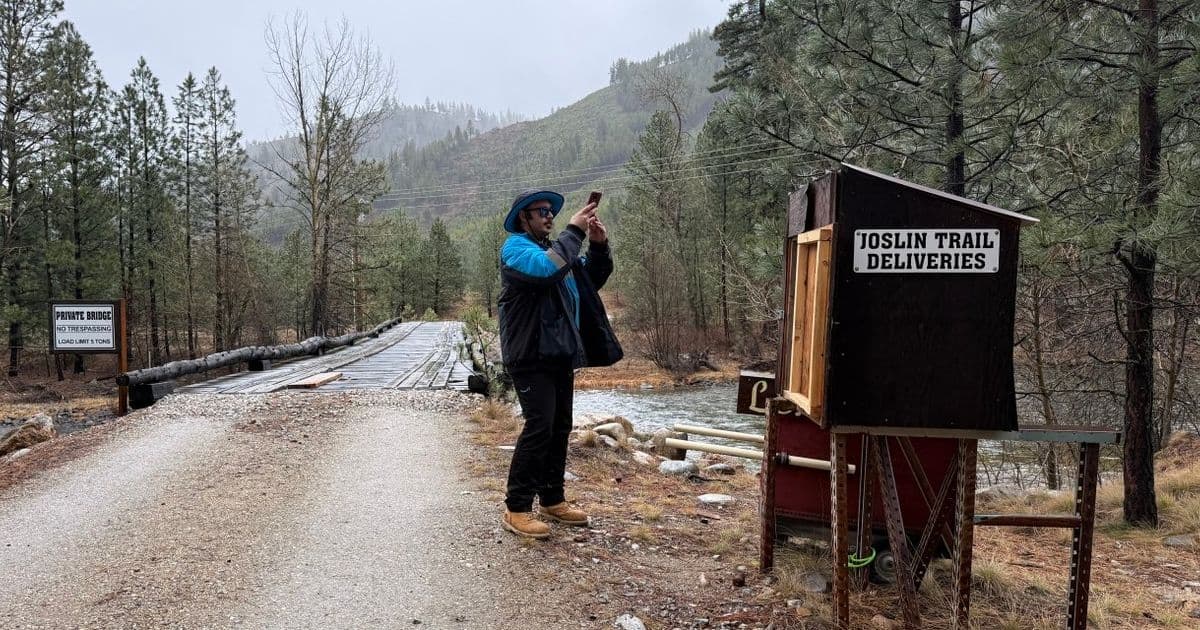
Amazon is investing heavily in rural America with plans to establish 200 delivery hubs across 13,000 zip codes, aiming to reduce reliance on USPS and transform last-mile logistics in underserved regions.
Amazon is quietly executing one of the most ambitious expansions in its logistics history, targeting the vast rural regions of the United States that have long posed challenges for fast, reliable delivery. The e-commerce giant is building a network of 200 rural delivery hubs designed to serve approximately 13,000 zip codes, representing a strategic pivot to reduce dependency on the U.S. Postal Service while simultaneously capturing market share in areas historically underserved by traditional e-commerce.
The Rural Delivery Challenge
Rural America has always presented a unique logistical puzzle for delivery companies. The lower population density, greater distances between delivery points, and often-inadequate transportation infrastructure have made fast, cost-effective delivery prohibitively expensive for many retailers. For Amazon, this has meant relying heavily on partnerships with the USPS to reach these areas, a relationship that has become increasingly strained as the company seeks to control more of its delivery infrastructure.
The USPS has been an essential partner for Amazon's two-day and one-day delivery promises, particularly in regions where Amazon's own delivery network doesn't reach. However, this reliance has come with limitations. USPS delivery times can be inconsistent in rural areas, and as Amazon's Prime delivery promises have become more ambitious—same-day, even two-hour windows in some locations—the postal service's capabilities have become a bottleneck.
Amazon's Rural Hub Strategy
Amazon's rural hub initiative represents a significant investment in solving this challenge. Each hub will serve as a local distribution center, packages arriving from larger Amazon fulfillment centers will be sorted at these facilities before being dispatched to final destinations in surrounding rural communities.
The strategic implications of this expansion are substantial:
Control Over Delivery Timelines: By establishing its own hubs, Amazon can guarantee consistent delivery windows that meet Prime standards, regardless of USPS performance in these areas.
Cost Optimization: While the initial investment is substantial, Amazon can achieve long-term cost savings by reducing payments to USPS for last-mile delivery in these regions.
Market Expansion: The hubs will enable Amazon to offer same-day delivery options in areas where such service was previously impossible, opening new markets for the company.
Data Collection: Each hub will generate valuable data on rural consumption patterns, allowing Amazon to tailor inventory and marketing strategies to previously underserved communities.
Financial and Operational Considerations
The financial commitment for this rural expansion is significant. Building, staffing, and operating 200 distribution centers requires substantial capital investment, though Amazon has not disclosed exact figures. The company has already demonstrated its willingness to invest heavily in logistics, having spent approximately $80 billion on fulfillment and delivery infrastructure in 2025 alone.
Operationally, the hubs will need to overcome several challenges:
- Workforce Availability: Rural areas often face labor shortages, requiring Amazon to develop innovative recruitment and retention strategies.
- Infrastructure Limitations: Some rural locations may require upgrades to roads, utilities, and broadband connectivity to support efficient operations.
- Seasonal Variations: Demand fluctuations throughout the year will require flexible staffing and inventory management approaches.
Impact on the USPS
Amazon's rural expansion comes at a challenging time for the USPS, which has been struggling with financial pressures and declining mail volume. The postal service has become increasingly dependent on Amazon's business, with the e-commerce giant accounting for an estimated 15% of USPS package revenue in 2025.
As Amazon reduces its reliance on USPS for rural delivery, the postal service will face revenue losses at a time when it's already grappling with structural financial challenges. This shift could accelerate USPS's need to restructure its own delivery network and potentially lead to further postal service reductions in the most sparsely populated areas.
Competitive Implications
Amazon's rural delivery initiative places significant pressure on competitors who lack comparable logistics infrastructure. Companies like Walmart and Target have been expanding their delivery capabilities but still rely heavily on third-party carriers for rural reach.
The expansion also creates barriers to entry for new e-commerce players who cannot match Amazon's investment in logistics. By controlling the last-mile delivery experience in rural America, Amazon further solidifies its competitive advantage in these markets.
Consumer Impact
For rural consumers, Amazon's hub expansion promises significant benefits:
- Faster delivery times, potentially reducing wait periods from days to hours in some cases
- More reliable delivery performance
- Expanded same-day delivery options
- Potentially lower shipping costs as Amazon achieves economies of scale
However, the long-term impact on USPS service levels in these areas remains uncertain. If the postal service reduces its rural delivery routes in response to lost Amazon business, some consumers who don't primarily shop online could face reduced mail service.
Implementation Timeline
Amazon has not provided a specific timeline for the rural hub rollout, but industry analysts suggest a phased implementation over the next 2-3 years. The company is likely to prioritize regions with high Amazon penetration rates but poor delivery infrastructure, creating a network effect that will gradually expand to cover more of the 13,000 targeted zip codes.
The first hubs are expected to begin operations in late 2026, with full deployment potentially complete by 2028. Amazon will likely use data from these initial locations to refine its operational model before scaling to the full 200-hub network.
Strategic Vision
Amazon's rural delivery initiative represents more than just a logistics improvement—it's a strategic bet on the future of e-commerce in America. By building its own delivery infrastructure in regions where traditional retail has struggled to compete, Amazon is positioning itself to capture a larger share of the consumer market while simultaneously reducing its vulnerability to carrier partnerships.
As e-commerce continues to grow, particularly in regions historically dominated by brick-and-mortar retailers, Amazon's rural hubs could become critical assets in the company's quest to dominate American retail. The expansion also aligns with CEO Andy Jassy's vision of Amazon as a logistics-first company, where control of the delivery experience is as important as the products being sold.
In the broader context of retail evolution, Amazon's rural delivery strategy demonstrates how technology and infrastructure investment can transform markets previously considered too challenging or costly to serve effectively. The company's willingness to make these long-term investments in rural America may ultimately prove as significant to its business as its original decision to build its own fulfillment network nearly two decades ago.
Comments
Please log in or register to join the discussion