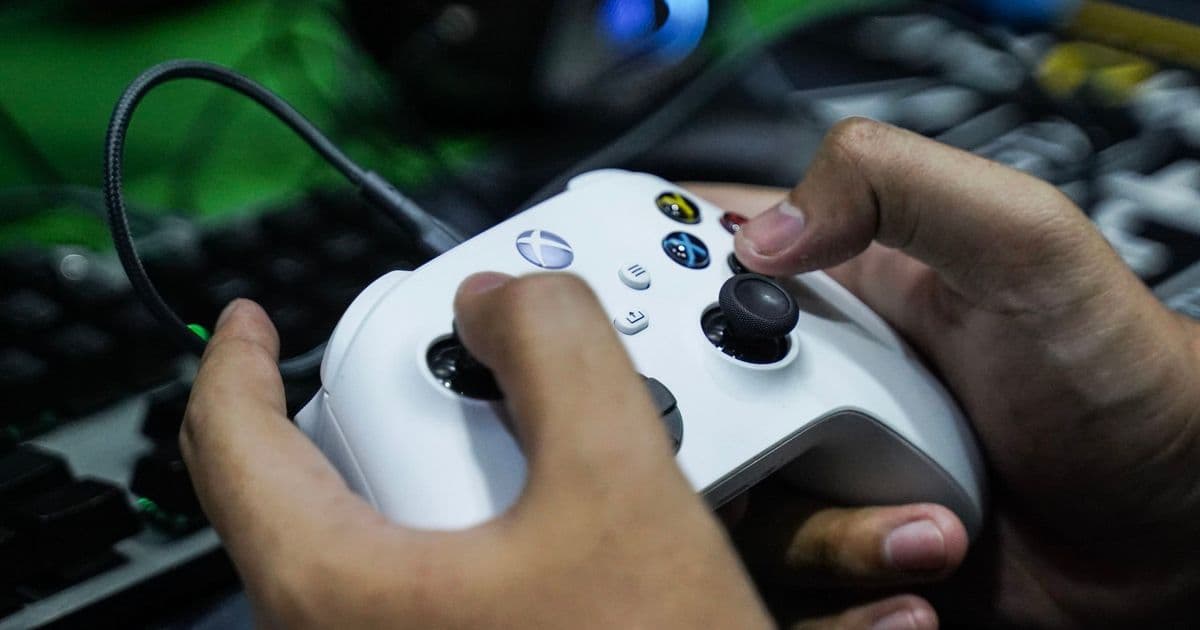
AMD CEO Dr. Lisa Su revealed during Q4 2025 earnings call that the company's semi-custom SoC for Microsoft's next Xbox console is progressing well for a 2027 launch, confirming earlier rumors about the timeline.
During AMD's Q4 2025 earnings call, CEO Dr. Lisa Su provided the first official confirmation of a 2027 launch window for Microsoft's next-generation Xbox console. The executive stated that development of Microsoft's next-gen Xbox featuring an AMD semi-custom SoC is progressing well to support a launch in 2027.
This announcement aligns with recent rumors that have circulated for several months, though it contradicts earlier expectations based on internal Microsoft documents that surfaced during the company's FTC trial. Those documents had suggested a 2028 release date for what Microsoft called a "next generation hybrid game platform."
AMD's Long-Term Partnership with Xbox
AMD has maintained a crucial partnership with Microsoft across multiple console generations. Both the Xbox One and Xbox Series X|S consoles utilize semi-custom AMD SoCs, combining CPU and GPU capabilities on a single chip. This collaboration has proven successful, with AMD's custom silicon powering the current generation of Xbox hardware.
The partnership extends beyond traditional consoles. AMD and Microsoft recently collaborated on the Asus ROG Xbox Ally X handheld gaming device, demonstrating the flexibility of their semi-custom chip designs across different form factors and use cases.
Technical Specifications and Timeline
While AMD hasn't disclosed specific technical details, industry leaker Moore's Law is Dead previously suggested the next-gen APU, reportedly codenamed "Magnus," would feature cutting-edge AMD technology:
- CPU: Zen 6 and Zen 6c CPU cores
- GPU: RDNA 5 architecture
- Release: 2027 launch window
The leaked Microsoft documents from the FTC trial provided additional context about the development timeline. According to those slides, Microsoft was targeting an early 2026 tapeout for the silicon, with first development kits expected to ship in late 2026 or early 2027. This timeline suggests a typical console development cycle, allowing approximately 18-24 months between silicon finalization and retail availability.
ISA Considerations and Platform Strategy
The leaked documents also revealed that Microsoft was evaluating the differences between ARM64 and x64 instruction set architectures for the next-gen platform. This consideration indicates Microsoft may be exploring architectural changes that could enable new capabilities or improve efficiency in the next console generation.
The term "hybrid game platform" used in the documents suggests Microsoft may be planning a more flexible ecosystem that could span multiple device types, similar to how the current Xbox Series X and Series S offer different performance tiers within the same generation.
Important Caveats and Industry Context
Dr. Su's carefully worded statement is significant. She said AMD is ready to "support a launch in 2027," rather than confirming a definitive 2027 release date. This phrasing provides AMD with flexibility while still signaling strong progress on the semi-custom SoC development.
The comment came during AMD's prepared remarks for its quarterly earnings call, making the wording particularly deliberate. This suggests AMD wants to communicate confidence in the project's timeline without overcommitting or potentially conflicting with Microsoft's internal plans.
Market Implications
A 2027 launch would position the next Xbox approximately six years after the Xbox Series X|S debut in November 2020. This aligns with typical console generation cycles, which have historically ranged from five to seven years.
The 2027 timeline also provides context for the current console market. With both Sony and Microsoft having launched their current-gen consoles in late 2020, a 2027 release would create a natural transition point for the industry, potentially coinciding with advances in display technology, internet infrastructure, and gaming services.
Looking Ahead
The confirmation of a 2027 timeline provides clarity for gamers, developers, and industry analysts who have been speculating about the next console generation. It also demonstrates the strength of the AMD-Microsoft partnership and AMD's continued relevance in the gaming hardware market.
As development progresses, more technical details about the "Magnus" APU and the next Xbox's capabilities will likely emerge. The combination of Zen 6 CPU cores and RDNA 5 GPU architecture suggests Microsoft is planning a significant performance leap over the current generation, potentially enabling new gaming experiences and capabilities that weren't possible with previous hardware limitations.
For now, the 2027 launch window provides a concrete target for the industry to plan around, while leaving room for the inevitable refinements and adjustments that occur during complex hardware development projects of this scale.
Comments
Please log in or register to join the discussion