
Leica is gathering feedback on potential design changes for the upcoming M12, including a new battery access system, image stabilization, and a possible Heritage Edition with classic baseplate design.
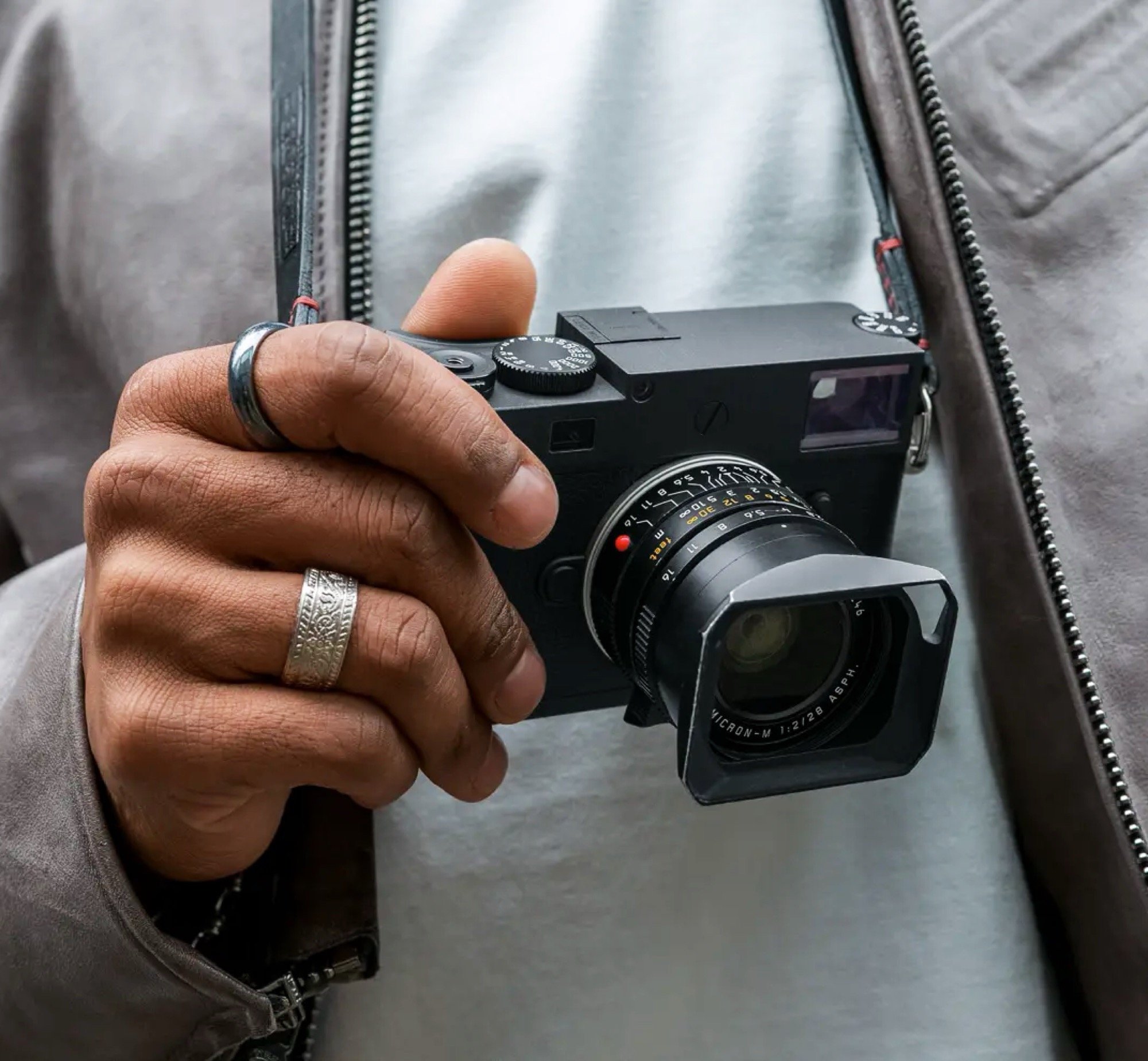
Leica appears to be laying the groundwork for its next flagship rangefinder camera, the M12, with a customer survey that hints at several significant upgrades and design changes. The compact full-frame camera, expected to launch in late 2026 or early 2027, may introduce image stabilization for the first time in the M-series lineage.
Design Evolution: From Baseplate to Slider System
The survey focuses heavily on the underside of the camera, where Leica has made substantial changes over recent generations. The Leica M10 featured a traditional baseplate that required complete removal to access the battery or memory card. This design philosophy changed dramatically with the M11, which introduced a slider mechanism allowing battery removal without any door or cover.
Leica claims this space-saving design enables a slightly larger battery capacity. However, the change drew criticism from purists who felt it moved away from the analog heritage that defines the M-series. The survey suggests Leica is reconsidering this approach, presenting customers with two distinct design philosophies.
The Hybrid Design: M11 Meets Q3
Interestingly, the survey illustration doesn't show the current M11 design. Instead, it presents a hybrid approach combining elements from both the M11 and the Q3 compact camera. This new configuration offers two key advantages:
First, the battery release slider has been repositioned for easier operation when a quick-release plate is attached to the camera. This addresses a common pain point for photographers who frequently mount their cameras on tripods or gimbals.
Second, the design incorporates three metallic contacts for accessories, similar to those found on the Q3. On Leica's compact camera, these contacts enable wireless charging through a dedicated handgrip that allows the camera to charge on Qi-compatible pads.
European Sensor Development
Beyond design changes, the M12 is expected to feature a new sensor developed entirely by Leica and manufactured in Europe. This marks a departure from the current M11, which uses a customized Sony sensor. The move toward in-house sensor development suggests Leica's commitment to greater control over image quality and performance characteristics.
The Heritage Edition Possibility
Perhaps the most intriguing revelation from the survey is Leica's exploration of a "Heritage Edition" variant. This limited edition would reportedly feature the classic baseplate design, appealing to traditionalists who value the original M-series aesthetic and functionality.
The survey explicitly asks whether customers would be interested in such a version, suggesting it might not be part of the standard M12 lineup. This strategy allows Leica to cater to both modernists who prefer the slider system and purists who demand the classic design.
However, the Heritage Edition may come with trade-offs. The survey hints that returning to the baseplate design could result in a smaller battery capacity compared to the standard M12 model.
Image Stabilization Breakthrough
If rumors prove accurate, the M12 would be the first M-series camera to feature built-in image stabilization. This addition would significantly enhance the camera's versatility, particularly for handheld shooting in low-light conditions or when using telephoto lenses.
Image stabilization has become increasingly common in high-end cameras, and its inclusion in the M12 would bring Leica's rangefinder system more in line with contemporary expectations while maintaining the series' renowned optical quality.
Market Positioning and Competition
The M12's development comes at a time when the high-end camera market continues to evolve. While smartphone cameras have improved dramatically, there remains strong demand for dedicated cameras that offer superior image quality, manual controls, and the tactile experience that rangefinders provide.
Leica's approach of gathering direct customer feedback demonstrates the company's awareness of its passionate user base and their diverse preferences. By potentially offering both modern and heritage designs, Leica can address different segments of its market without compromising the core M-series identity.
Timeline and Expectations
With an expected launch window of late 2026 or early 2027, the M12 represents Leica's long-term vision for its flagship rangefinder system. The extended development period suggests substantial engineering work, particularly regarding the new European-manufactured sensor and potential image stabilization implementation.
As Leica continues to refine the M12's specifications based on customer input, photographers and enthusiasts will be watching closely to see how the company balances innovation with tradition in this iconic camera series.
The survey responses will likely play a crucial role in determining which features make it to the final production model, making this an unusual opportunity for Leica customers to directly influence the design of a future flagship camera.
Comments
Please log in or register to join the discussion