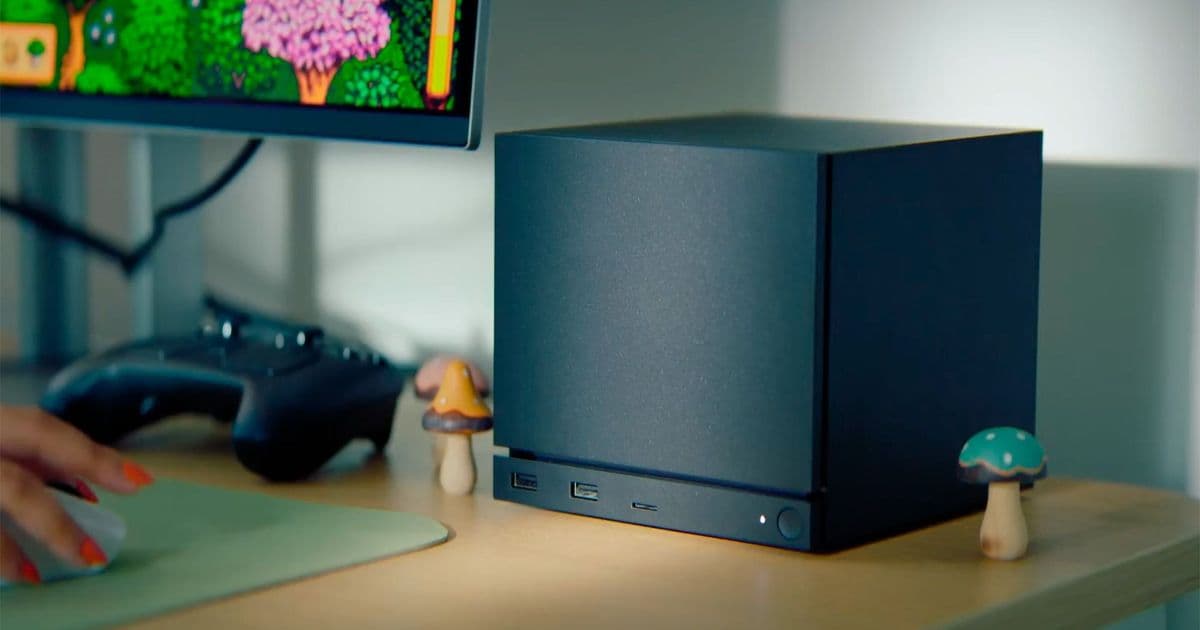
AMD CEO Lisa Su confirms Valve's new Steam Machine mini PC is 'on track' for early 2026 release, featuring semi-custom Zen 4 CPU and RDNA 3 GPU for 4K gaming at 60fps.
Valve's next-generation Steam Machine is officially on track for an early 2026 launch, according to AMD CEO Dr. Lisa Su during the company's Q4 2025 earnings call. The confirmation comes as AMD reports a "double-digit percentage" drop in SoC revenue during the "seventh year of a very strong console cycle," making the Steam Machine's launch particularly significant for the company's gaming hardware division.
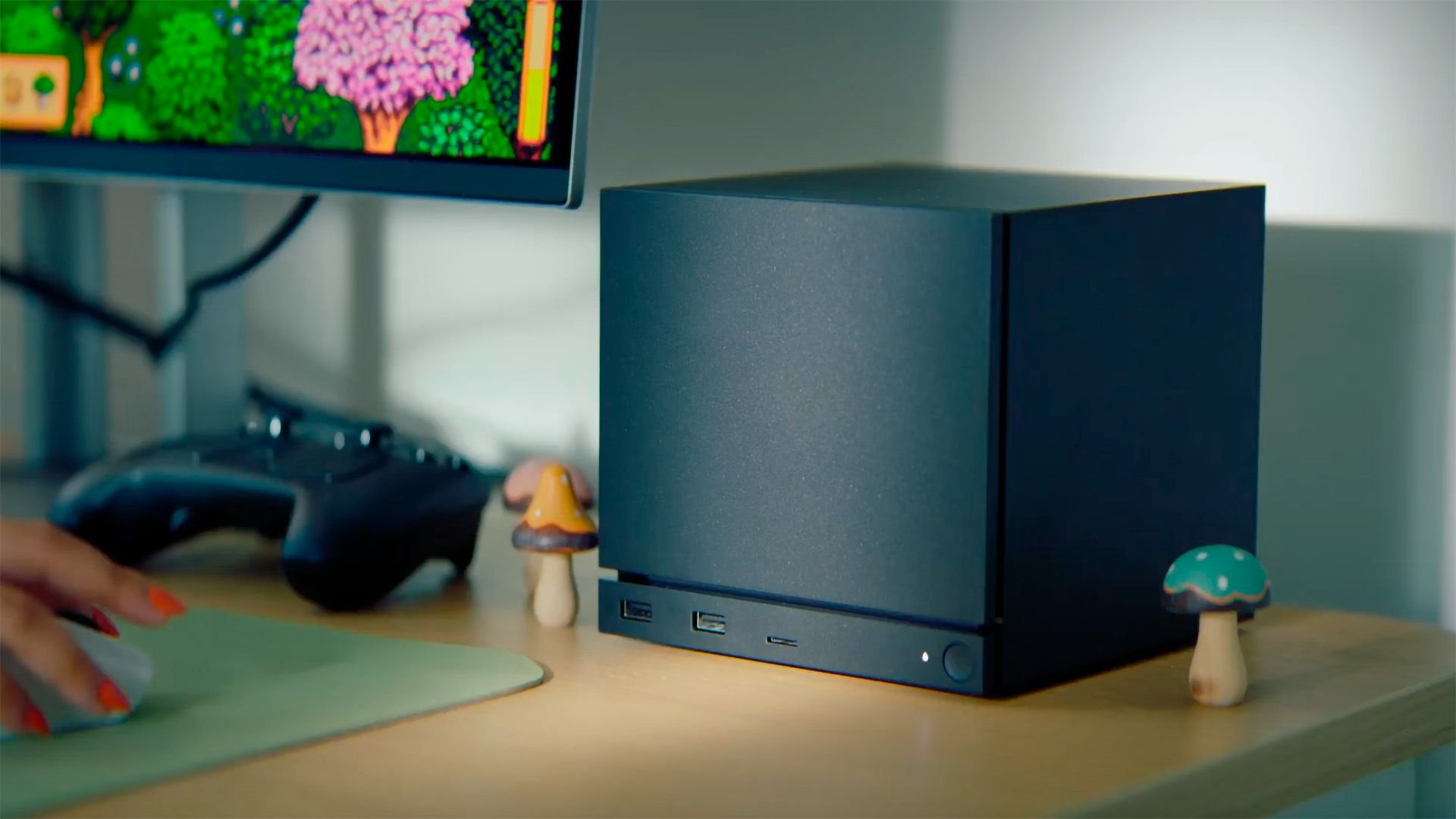
Technical Specifications and Performance Targets
The upcoming Steam Machine represents a substantial upgrade from Valve's previous living room gaming PC. At its core sits a semi-custom six-core AMD Zen 4 CPU paired with an AMD RDNA 3 GPU featuring 8GB of GDDR6 VRAM and 28 Compute Units. This configuration marks a significant leap in processing power compared to the original Steam Machine's hardware.
Valve claims this hardware combination will enable 4K gaming at 60 frames per second, though this performance target relies on FidelityFX Super Resolution (FSR) upscaling technology. The use of FSR rather than native 4K rendering suggests Valve is prioritizing consistent frame rates over raw pixel density, a practical approach for the living room gaming environment where consistent performance often trumps maximum resolution.
Manufacturing Timeline and Production Status
Su's comments during the earnings call provide the first public confirmation from a third-party supplier about the Steam Machine's release timeline. "From a product standpoint, Valve is on track to begin shipping its AMD-powered Steam Machine early this year," Su stated, aligning with earlier reports suggesting a Q1 2026 release window.
This timeline indicates that Valve has likely completed the design validation phase and is moving into full-scale production. The "on track" designation suggests minimal delays in the manufacturing process, which is particularly noteworthy given ongoing global semiconductor supply chain challenges.
Market Context and Competitive Landscape
The Steam Machine's launch comes at a critical juncture in the gaming hardware market. With the current console generation entering its seventh year, AMD's semi-custom SoC business has experienced declining revenue, making the Steam Machine's success crucial for the company's gaming division.
Valve's strategy appears to be positioning the Steam Machine as a premium living room gaming solution, distinct from both traditional gaming consoles and high-end gaming PCs. The fixed hardware configuration and living room focus differentiate it from Valve's portable Steam Deck, while the semi-custom AMD components position it as a more accessible alternative to building a dedicated 4K gaming rig.
Pricing Uncertainty and Market Positioning
While Valve has not officially announced pricing, a recent retail listing suggested the Steam Machine could cost between $950 and $1,070, depending on the model configuration. This price range would position the device as a premium gaming solution, competing more directly with high-end gaming PCs than with traditional consoles.
The global NAND supply crisis adds significant uncertainty to the final pricing. Memory component costs have fluctuated dramatically over the past year, potentially impacting Valve's ability to maintain consistent pricing across different markets and production runs.
Technical Architecture and Design Philosophy
The decision to use a semi-custom AMD solution reflects Valve's strategy of leveraging existing semiconductor technology while optimizing for specific use cases. The Zen 4 CPU provides modern multi-threading capabilities essential for gaming workloads, while the RDNA 3 GPU offers improved ray tracing performance and power efficiency compared to previous generations.
The 8GB of GDDR6 VRAM represents a conservative choice for 4K gaming, suggesting Valve is prioritizing cost-effectiveness and power efficiency over maximum graphical fidelity. This aligns with the company's historical approach of delivering capable gaming experiences at accessible price points.
Implications for the Gaming Ecosystem
The Steam Machine's launch could have significant implications for the broader gaming ecosystem. As a fixed hardware platform running SteamOS, it could provide developers with a more consistent target for optimization compared to the wide variety of PC configurations currently supported by Steam.
Additionally, the device's living room focus and 4K capabilities position it as a potential bridge between PC and console gaming experiences, potentially attracting console gamers looking for more flexibility while maintaining the simplicity of a fixed hardware platform.
Production Challenges and Timeline Considerations
The "early this year" shipping timeline suggests Valve is confident in its supply chain arrangements and manufacturing capabilities. However, the gaming hardware industry has faced numerous production challenges in recent years, from semiconductor shortages to component price volatility.
Valve's experience with the Steam Deck's production and distribution could prove valuable in navigating these challenges, though the Steam Machine's more premium positioning and potentially lower production volumes may present different logistical considerations.
Future Outlook and Industry Impact
The Steam Machine's success could influence future developments in living room gaming hardware, potentially encouraging other PC manufacturers to explore similar fixed-configuration gaming devices. Its performance targets and pricing strategy will likely set expectations for what consumers can expect from premium living room gaming solutions in the coming years.
As the gaming industry continues to evolve, with increasing focus on 4K gaming and streaming services, the Steam Machine represents Valve's latest attempt to define the future of living room gaming. Its launch timing, technical specifications, and market positioning will be closely watched by industry analysts and competitors alike.
Comments
Please log in or register to join the discussion