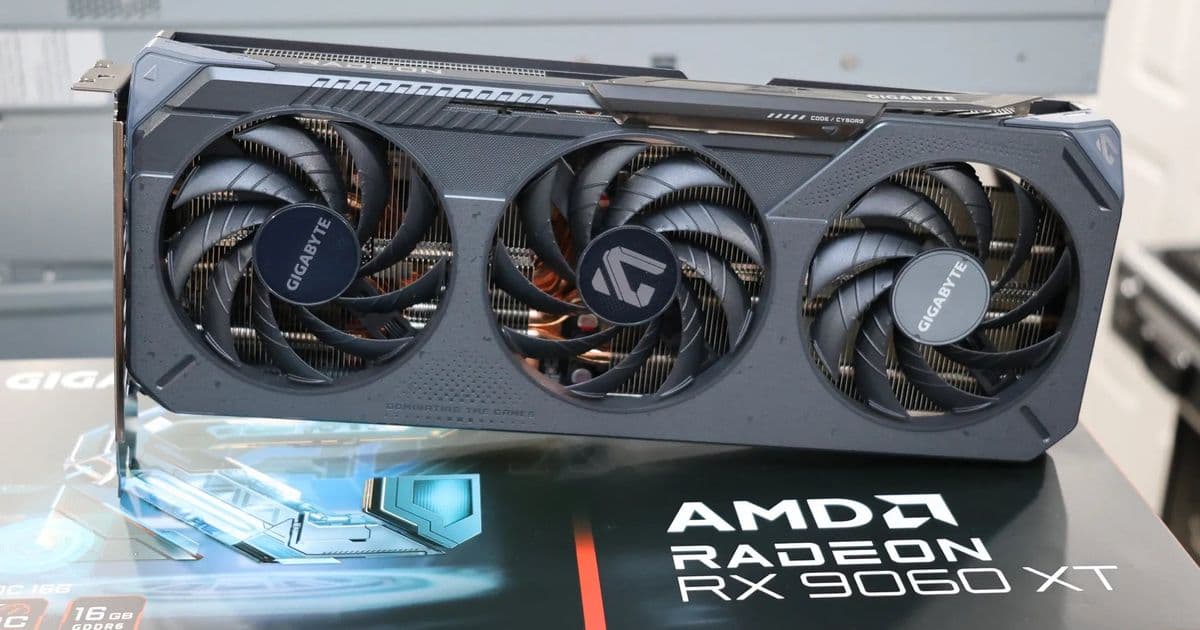
AMD engineer Marek Olšák has merged seven performance optimizations for RDNA4 GPUs in the RadeonSI Gallium3D driver, significantly improving buffer/image operations and framebuffer clears for Linux users.
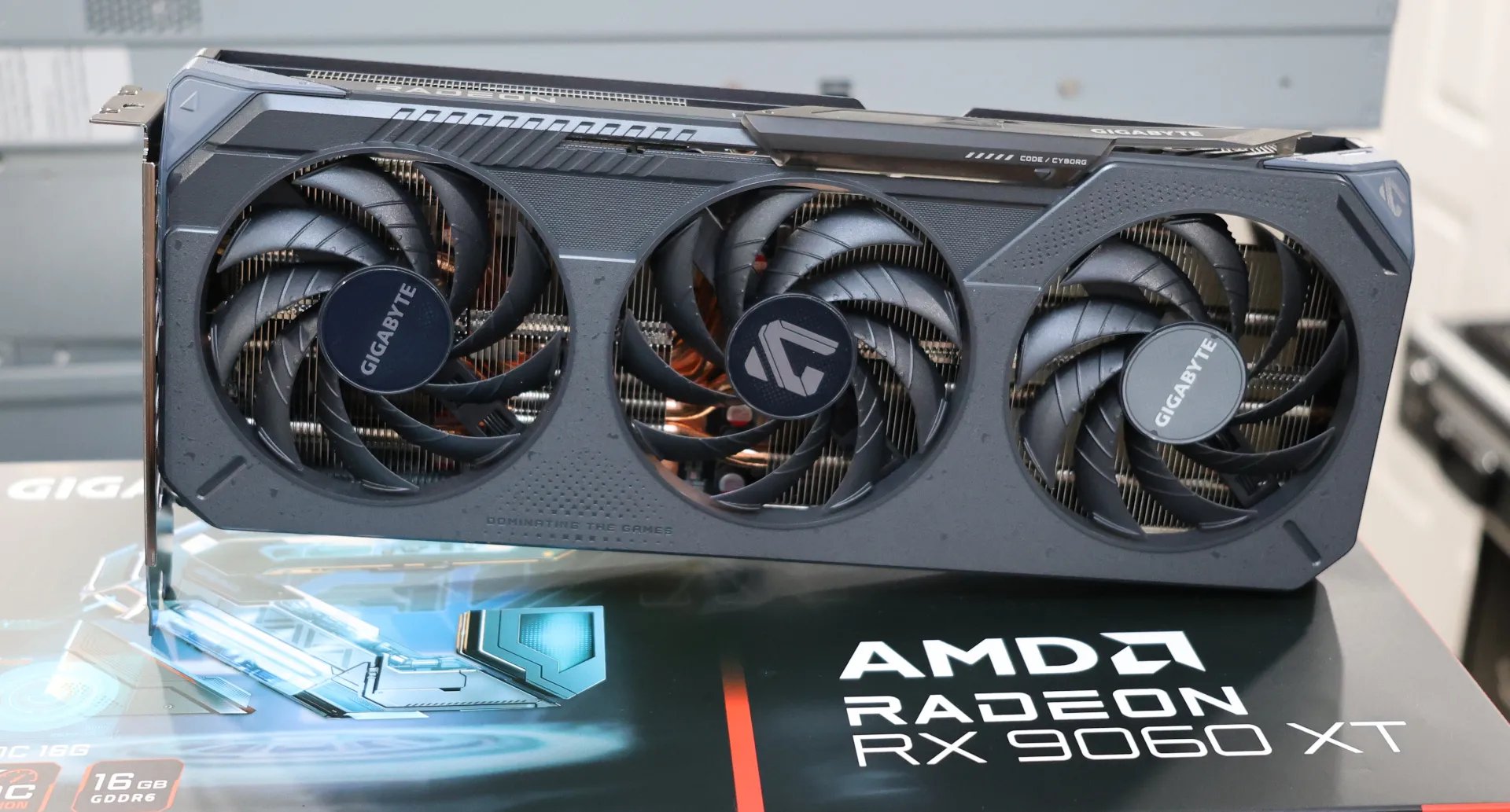
AMD's open-source driver team continues refining RDNA4 (GFX12) support with a new batch of performance optimizations merged into Mesa's RadeonSI Gallium3D driver. These enhancements specifically target AMD's upcoming Radeon RX 8000-series graphics cards and arrive just after the Mesa 26.0 feature freeze, positioning them for inclusion in the Q2 Mesa 26.1 release.
The optimizations, spearheaded by longtime AMD graphics engineer Marek Olšák, target several critical rendering pathways:
- Buffer Clears/Copies: Revised compute dispatch interleave logic accelerates small buffer operations
- Image Clears/Copies: Compute shader image clears show significant gains on RDNA4 architecture
- MSAA Resolve: Multisample anti-aliasing resolve operations see structural improvements
- Framebuffer Clears: Unified optimizations across color/depth/stencil buffer clearing
Olšák noted in the merge request that compute shader image clears deliver "pretty good" performance on GFX12 hardware. The changes specifically adjust how the driver handles compute workloads when clearing small buffers, where the new approach demonstrates measurable speed advantages.
While AMD hasn't released benchmark comparisons, these low-level optimizations typically translate to tangible gains in scenarios involving rapid state changes:
- Reduced frame-times during render target switches
- Faster texture streaming and asset loading
- Improved performance in Vulkan/OpenGL applications using frequent FBO reconfigurations
- Smoothing of micro-stutter in engine-heavy games
For Linux gamers and workstation users planning RDNA4 builds, these driver improvements underscore the importance of tracking Mesa's development branch. When pairing RDNA4 hardware with Mesa 26.1+:
| Optimization Area | Expected Impact | Recommended Use Case |
|---|---|---|
| Buffer Operations | 10-15% faster small ops | Game loading screens, asset streaming |
| Framebuffer Clears | Reduced clear latency | Engine-heavy titles (Unreal/Unity) |
| MSAA Resolve | Smoothing AA transitions | High-refresh competitive gaming |
These changes arrive as AMD's open-source team methodically builds out RDNA4 support. Unlike Windows drivers where optimizations often come post-launch, AMD's Linux strategy focuses on landing core improvements before retail availability. Users should monitor the Mesa release calendar for 26.1's expected May release to leverage these enhancements.
Current RDNA3 (RX 7000-series) owners won't benefit from these specific GFX12 optimizations, though architectural similarities suggest potential trickle-down improvements in future driver iterations. As with previous generations, AMD's open-source driver maturity typically peaks 2-3 months post-launch - making Mesa 26.1 a crucial update for early RDNA4 adopters.
Comments
Please log in or register to join the discussion