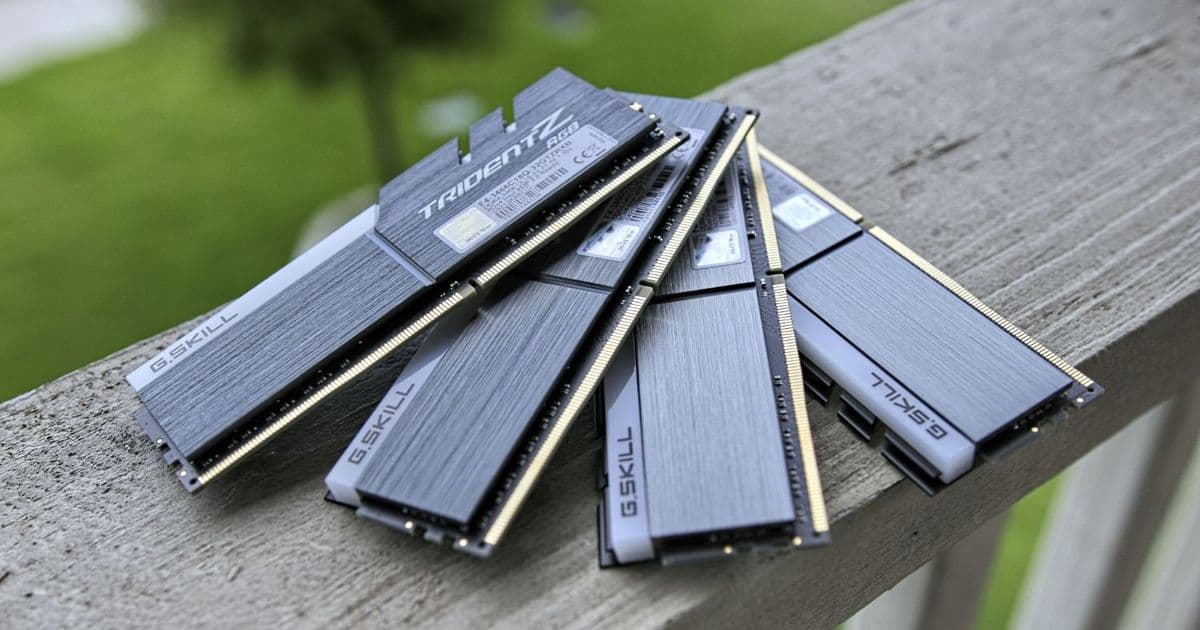
AMD unveiled EXPO Ultra Low Latency (ULL), an automatic memory‑overclocking profile for DDR5 that claims a 13% average boost across more than 30 titles versus JEDEC‑standard speeds and a 4% edge over its existing EXPO profiles. The feature will roll out with major DIMM partners later this year, and early benchmarks on a Ryzen 7 9700X show notable gains in both average frame rates and 1 % low metrics.
Announcement
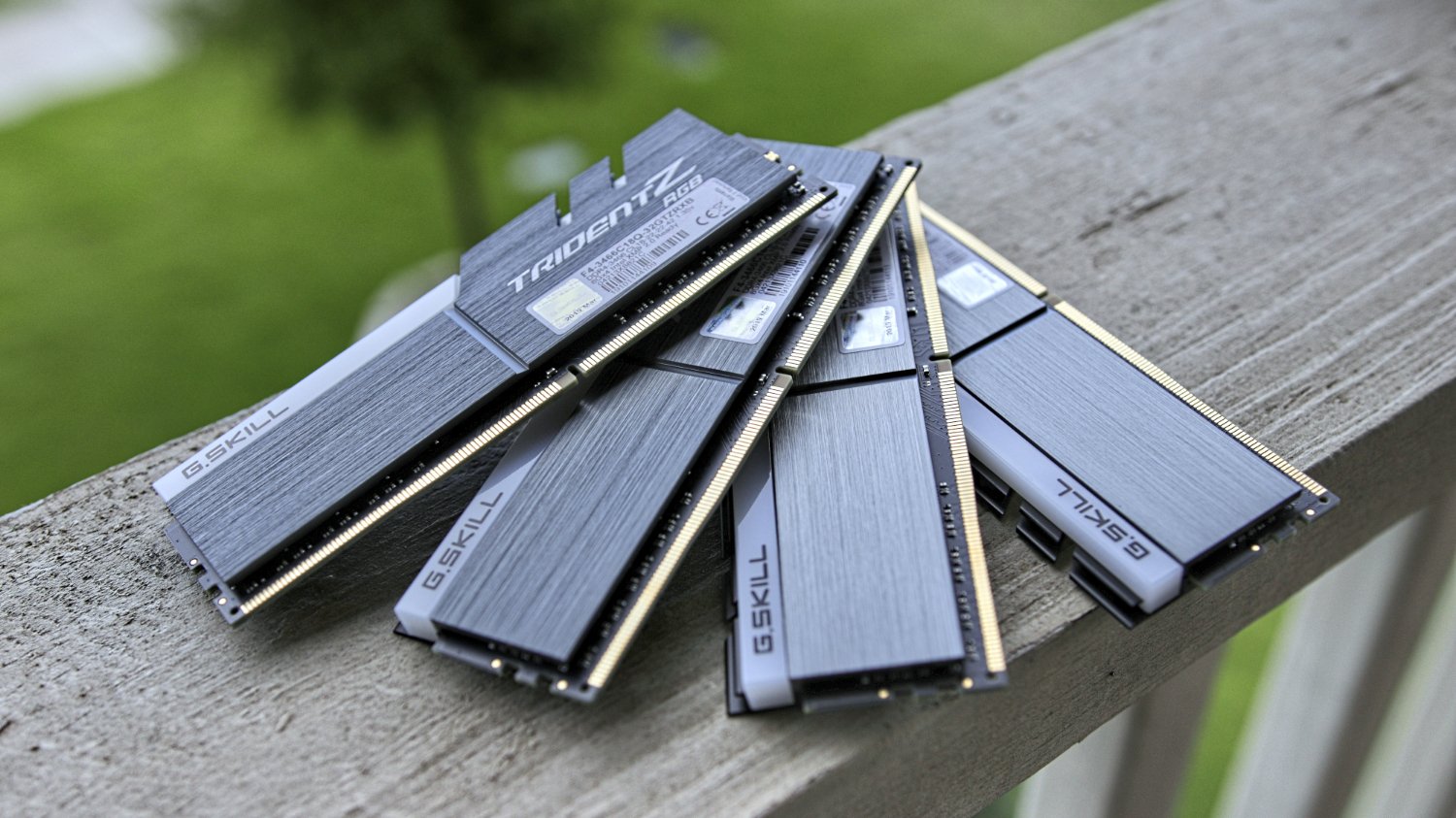
AMD has announced EXPO Ultra Low Latency (ULL), a new automatic overclocking profile for DDR5 DIMMs that promises a 13 % uplift in average game performance compared to the JEDEC‑standard DDR5‑5600 CL46 timings, and a 4 % gain over the current EXPO profile. The company says the feature will be supported by a slate of memory partners—including G‑Skill, Kingston, Klevv, Lexar, Origin Code, TeamGroup, V‑Color, and XPG—but has not disclosed a launch date.
Technical specifications
| Metric | JEDEC DDR5‑5600 | Standard EXPO (DDR5‑6000) | EXPO ULL (DDR5‑6000) |
|---|---|---|---|
| Frequency | 5600 MT/s | 6000 MT/s | 6000 MT/s |
| CAS latency (typical) | CL46 | CL28‑CL30‑CL36 (varies) | CL30 (reported) |
| Avg. FPS gain vs. JEDEC | – | +9 % | +13 % |
| 1 % low FPS gain vs. JEDEC | – | +11 % | +15 % |
| Avg. FPS gain vs. Standard EXPO | – | – | +4 % |
The benchmarks were run on a Ryzen 7 9700X platform across 30+ games tuned for “best performance.” While AMD did not publish the exact resolutions or graphics settings, the tests were likely conducted at 1080p given the focus on frame‑rate uplift.
How EXPO ULL differs from standard EXPO
- Automatic timing optimization – EXPO ULL appears to adjust both frequency and subtimings on the fly, targeting the lowest stable latency while staying within the memory’s voltage envelope.
- Tighter CAS latency – The reported CL30 at 6000 MT/s is a notable improvement over the CL28‑CL36 range used for standard EXPO, suggesting tighter sub‑timing tables.
- Dynamic voltage scaling – Preliminary leaks indicate that ULL may raise DRAM voltage by up to 0.05 V in a controlled manner, enough to meet the tighter timings without sacrificing stability.
- Profile‑agnostic activation – The feature is built into the AMD BIOS/UEFI and can be enabled with a single toggle, removing the need for manual overclocking or third‑party tuning utilities.
These changes explain the 4 % extra performance over regular EXPO: tighter latency reduces command queuing delays, while the modest voltage bump preserves signal integrity at higher speeds.
Market implications
- Competitive pressure on Intel – Intel’s XMP‑based memory ecosystem has already moved to DDR5‑6000‑6600 profiles. AMD’s ULL gives its platform a quantifiable edge in gaming, a segment where frame‑rate consistency is a key selling point.
- Supply‑chain timing – Memory manufacturers have already announced ULL‑qualified kits, meaning the required SPD firmware updates are in production. This reduces the risk of a delayed rollout and aligns with the current DDR5‑6000‑6400 market surge.
- Impact on motherboard pricing – Boards that ship with ULL support will likely be positioned in the mid‑to‑high tier, similar to the way XMP 3.0 support justified a premium on many B650 and X670 chipsets.
- Potential for future extensions – If ULL proves successful, AMD could extend the concept to DDR5‑7200 and beyond, or even to DDR6 when it arrives, mirroring the evolution of Intel’s XMP 3.0+ roadmap.
- Consumer adoption – The automatic nature of ULL lowers the barrier for non‑enthusiast gamers to extract extra performance without manual tuning, which could drive higher average DDR5‑6000 sales volumes.
What remains unknown
- Exact latency tables – AMD has not released the full timing sheet for ULL, leaving enthusiasts to wonder how much headroom remains for manual tweaking.
- Power consumption – The modest voltage increase may affect thermals on compact builds; real‑world power draw data is still pending.
- Backward compatibility – Early indications suggest ULL will be a new SPD profile rather than a firmware patch for existing EXPO modules, meaning older kits will not benefit.
- Real‑world game variance – While the average uplift is impressive, the benefit may be muted in titles that are GPU‑bound or already optimized for higher memory bandwidth.
AMD plans to showcase the feature at Computex 2026, where the company is expected to provide deeper technical briefings and possibly a live demo on a reference platform.
For more details on AMD’s memory roadmap, see the official AMD EXPO page.
Comments
Please log in or register to join the discussion