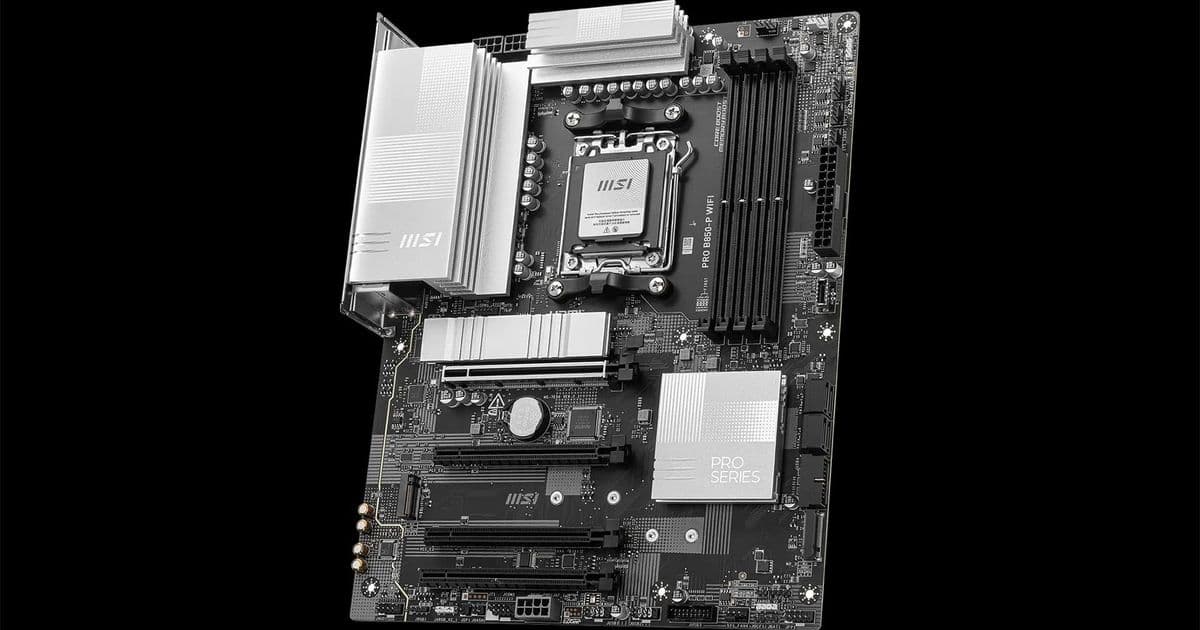
Polish firm 3mbdeb demonstrates AMD's open-source firmware on MSI's B850-P Pro motherboard, accelerating adoption ahead of Zen 6's planned transition.
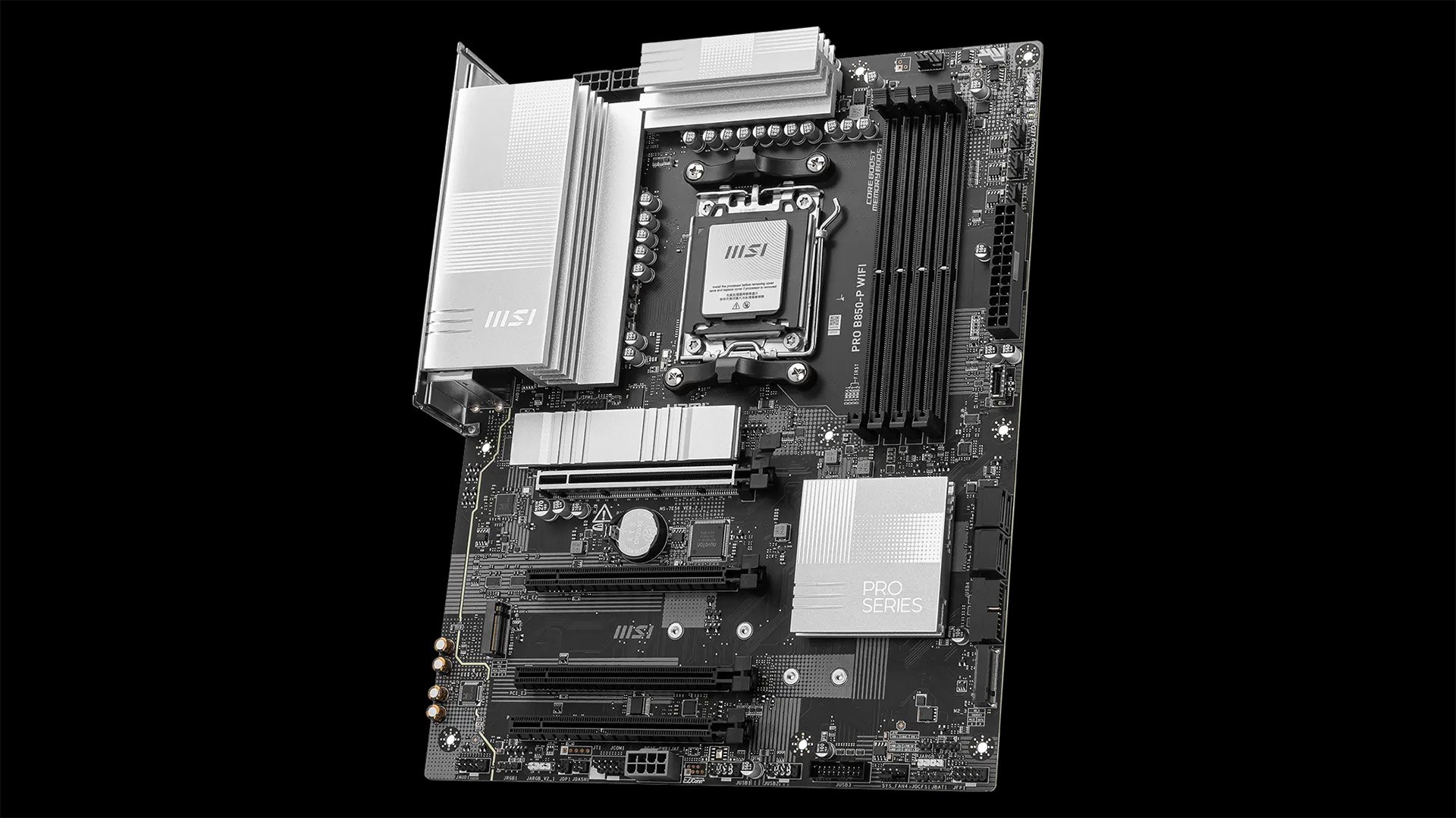
AMD's shift toward open-source firmware has taken an unexpected early step as Polish consulting firm 3mbdeb successfully ported the openSIL silicon initialization code to MSI's B850-P Pro motherboard. This development arrives well ahead of AMD's official timeline, which targeted Zen 6 processors for the transition from proprietary AGESA firmware to openSIL.
Technical Implementation Details
The port leverages existing work done for AMD's EPYC 9005 series server platform, specifically the Gigabyte MZ33-AR1 motherboard. AMD had previously released openSIL code for its Turin server processors before making it available for desktop platforms. The B850-P Pro benefits from architectural similarities in initialization sequences between enterprise and consumer platforms.
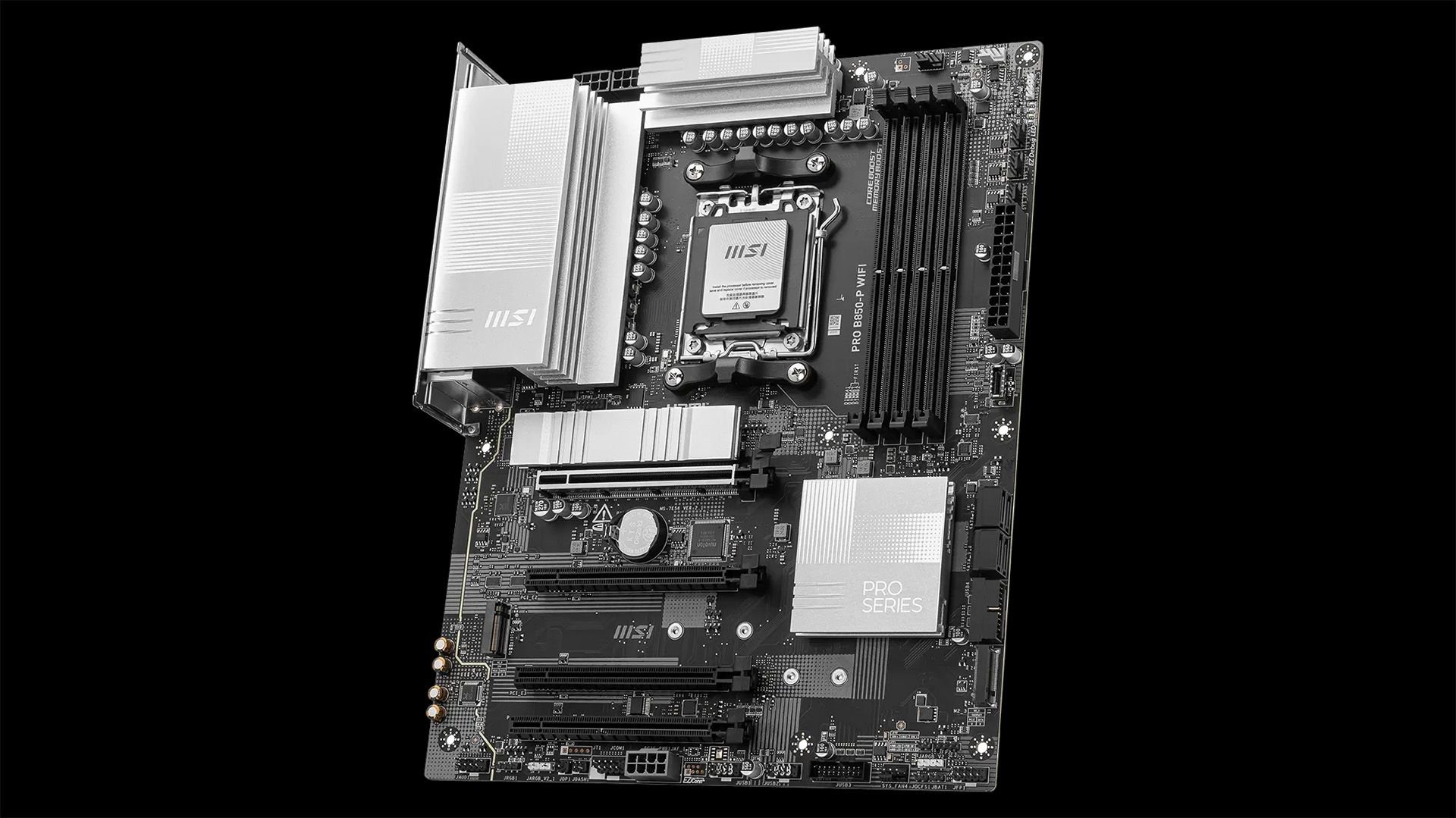 MSI B850-P-WiFi motherboard selected for openSIL port
Silicon initialization firmware serves as the critical bridge between hardware components and system firmware. These microcode layers:
- Initialize CPU, memory, and chipset communication pathways
- Establish fundamental hardware security protocols
- Enable bootloader handoff to UEFI or alternative firmware
Unlike closed-source AGESA, openSIL (Apache 2.0 licensed) offers complete code transparency. Architectural improvements include:
| Characteristic | AGESA | openSIL |
|---|---|---|
| Code Access | Closed-source | Fully open-source |
| Host Firmware | UEFI-dependent | UEFI/Coreboot compatible |
| Memory Footprint | ~5-7MB | ~1-2MB (estimated) |
| Security Audit | Vendor-limited | Community-enabled |
Market Implications
Security Validation Acceleration: Open-source availability enables faster vulnerability discovery and patching cycles. Security researchers can audit firmware code directly rather than relying on black-box testing.
Supply Chain Flexibility: Motherboard manufacturers gain customization freedom without proprietary constraints. This could lower development costs for specialized implementations in industrial, embedded, or security-focused systems.
Coreboot Ecosystem Expansion: Successful ports like this demonstrate practical alternatives to UEFI. The Coreboot project gains a potential pathway to consumer AMD platforms, historically limited by AGESA dependencies.
Zen 6 Transition Preparedness: Early real-world testing surfaces compatibility issues before production deployment. Vendor feedback during this phase could refine AMD's reference implementation.
Implementation Status
This remains a proof-of-concept demonstration:
- Not yet listed on Coreboot's official support roster
- Requires manual firmware flashing via external programmer
- Lacks power management and PCIe enumeration completeness
Nevertheless, it provides valuable insight into AMD's firmware architecture shift. Developers can examine how openSIL handles DDR5 training, SMU communication, and topology discovery—areas previously obscured in AGESA.

Comments
Please log in or register to join the discussion