AMD detailed major ROCm software advancements and a consumer-focused AI bundle during CES 2026, aiming to democratize AI development while addressing cross-platform challenges and documentation gaps.
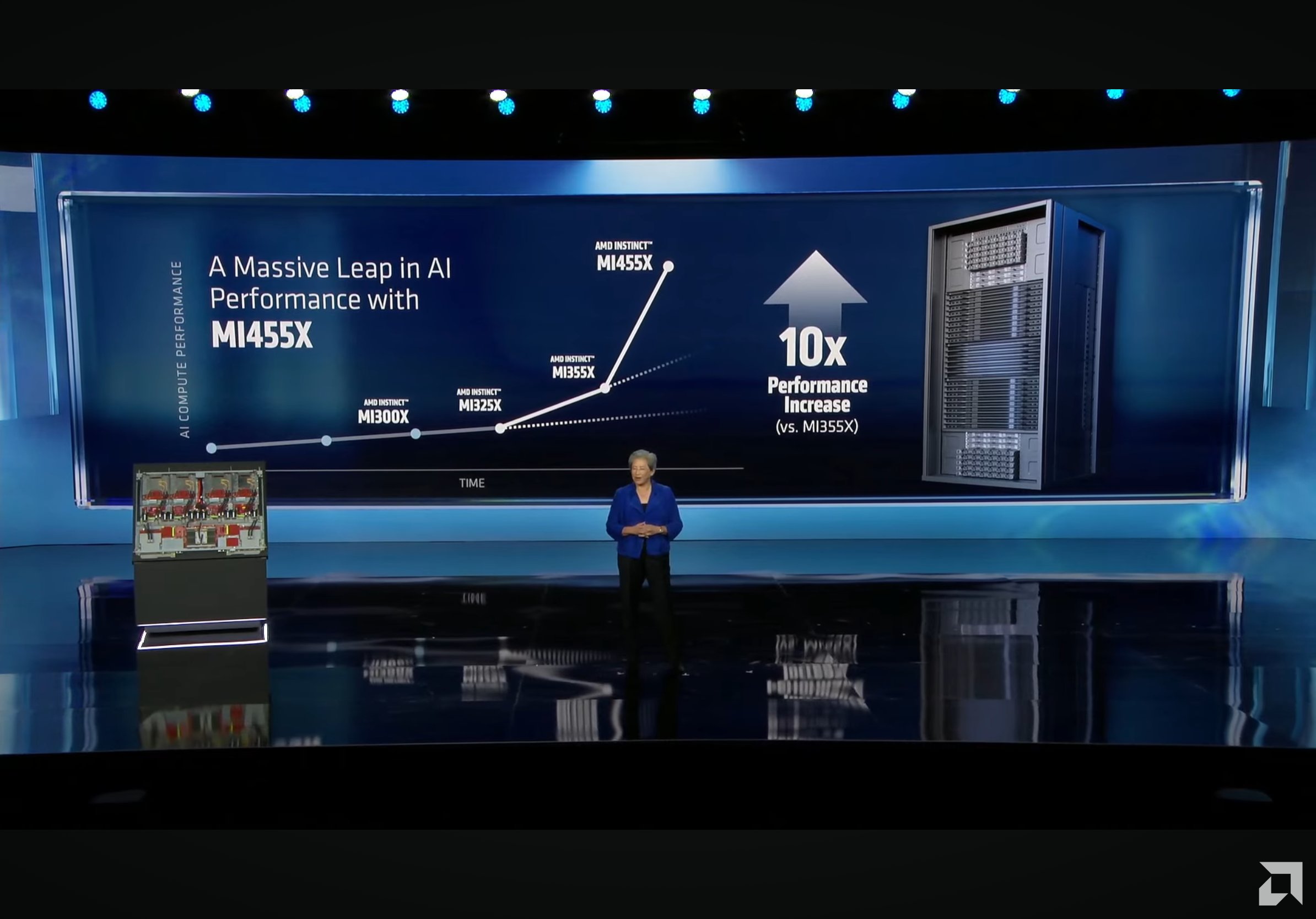
At CES 2026, AMD executives revealed transformative updates to its ROCm software ecosystem and announced an upcoming AI bundle for consumer hardware, signaling a strategic push to lower entry barriers for AI development across Windows and Linux platforms. In a roundtable discussion with journalists, Chief Software Officer Andrej Zdravkovic and product lead Terry outlined how ROCm 7.2 establishes a common codebase compiled for both operating systems, though hardware-specific optimizations remain a work in progress.
ROCm's Evolution and Cross-Platform Strategy
ROCm 7.2 represents AMD's most significant architectural shift yet, using identical source code compiled separately for Windows and Linux systems. This eliminates previous fragmentation but doesn't resolve hardware-level incompatibilities between products like Strix Halo (GFX1150), RDNA 4 (GFX1200), and Instinct MI350 (GFX950). Each still requires recompilation due to divergent matrix instruction sets—a limitation AMD acknowledges but can't yet resolve. "Resources are limited, and technology moves fast," Zdravkovic conceded. "We prioritize delivering new capabilities over perfect portability."
For developers, ROCm's documentation remains fragmented despite improvements. "ROCm from 2023 is completely unrecognizable to ROCm today," one journalist noted, prompting Zdravkovic to admit ongoing consolidation efforts. All MI-series libraries will eventually reach consumer hardware, though optimization timelines vary by product.
The AI Bundle: Lowering Barriers for Practitioners
Central to AMD's strategy is the Adrenalin-integrated AI bundle launching in coming weeks. It simplifies installation of PyTorch, ComfyUI, LM Studio, Amuse, and Ollama—tools spanning creative applications to LLM experimentation—through an optional one-click installer. Unlike traditional developer tools, it targets "practitioners": non-coders curious about local AI. "We've eliminated 17-step GitHub configurations," Terry emphasized. The bundle will be managed via AMD's Download and Install Manager (DIME), allowing post-installation adjustments.
This aligns with AMD's data showing 25-30% internal productivity gains from AI tools. Zdravkovic highlighted privacy as a key incentive: "Users want tax help or creative tools without cloud data leaks. Local execution solves that."
Market Implications: Challenging NVIDIA's Ecosystem
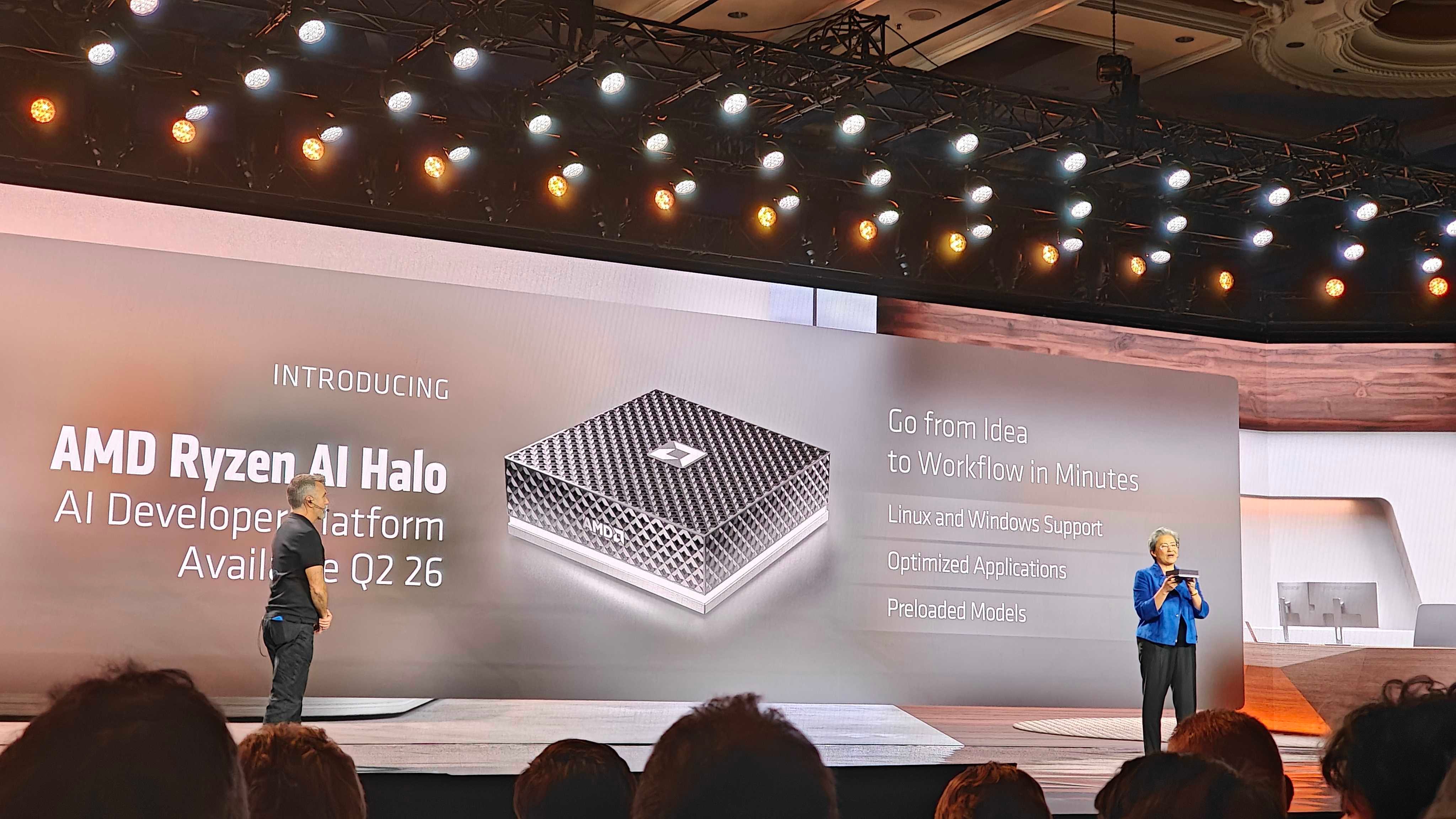
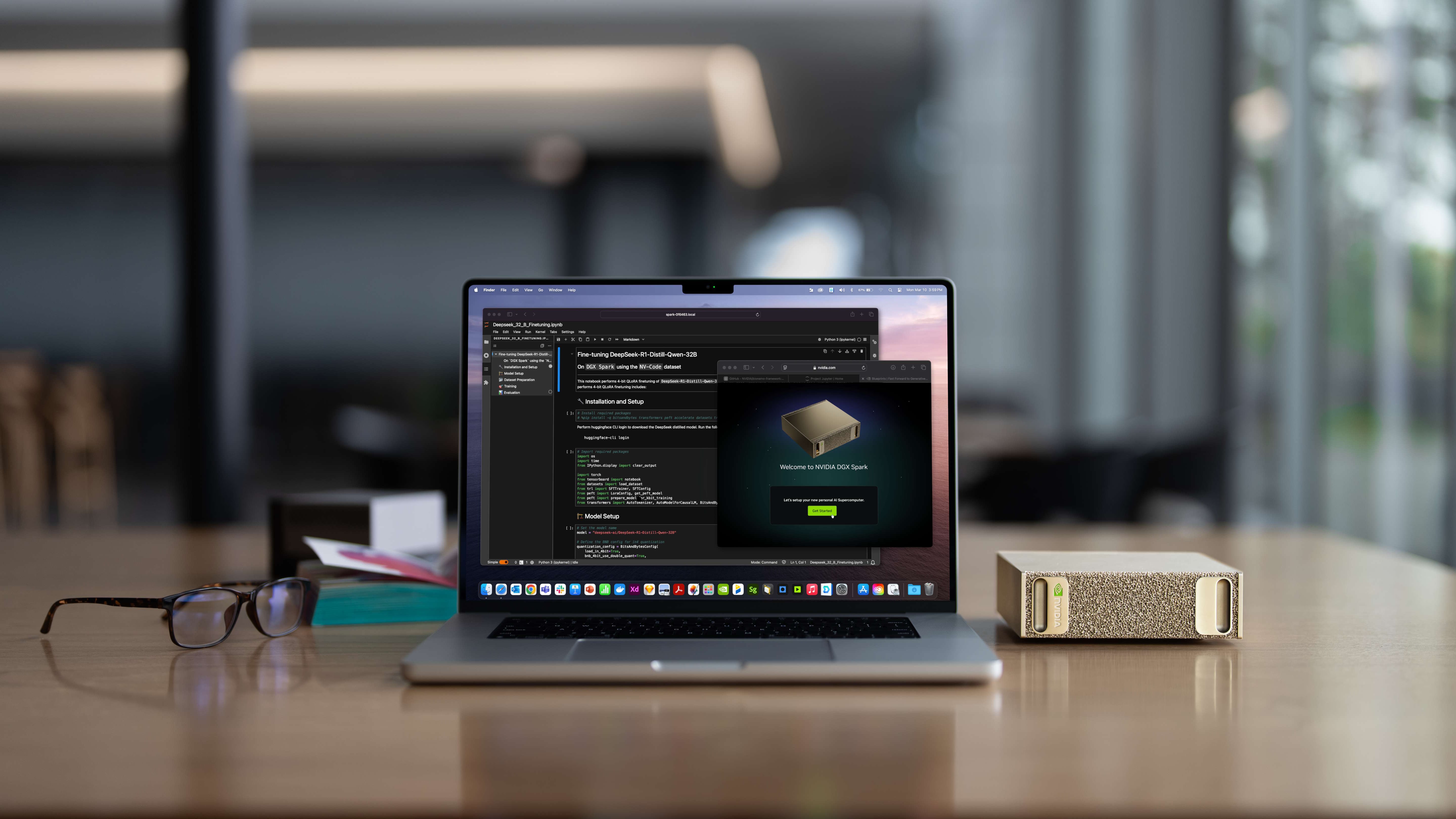
AMD's push responds to NVIDIA's entrenched CUDA ecosystem. When journalists cited NVIDIA's DGX Spark playbooks as a model for developer onboarding, Zdravkovic confirmed similar "play examples" are planned for Ryzen AI Halo systems. The AI bundle represents new investment—not diverted resources—in consumer AI, with Terry stressing AMD's open-source philosophy: "We're enabling, not forcing. Gamers can ignore it; practitioners explore it."
FSR 4 and NPU Accessibility
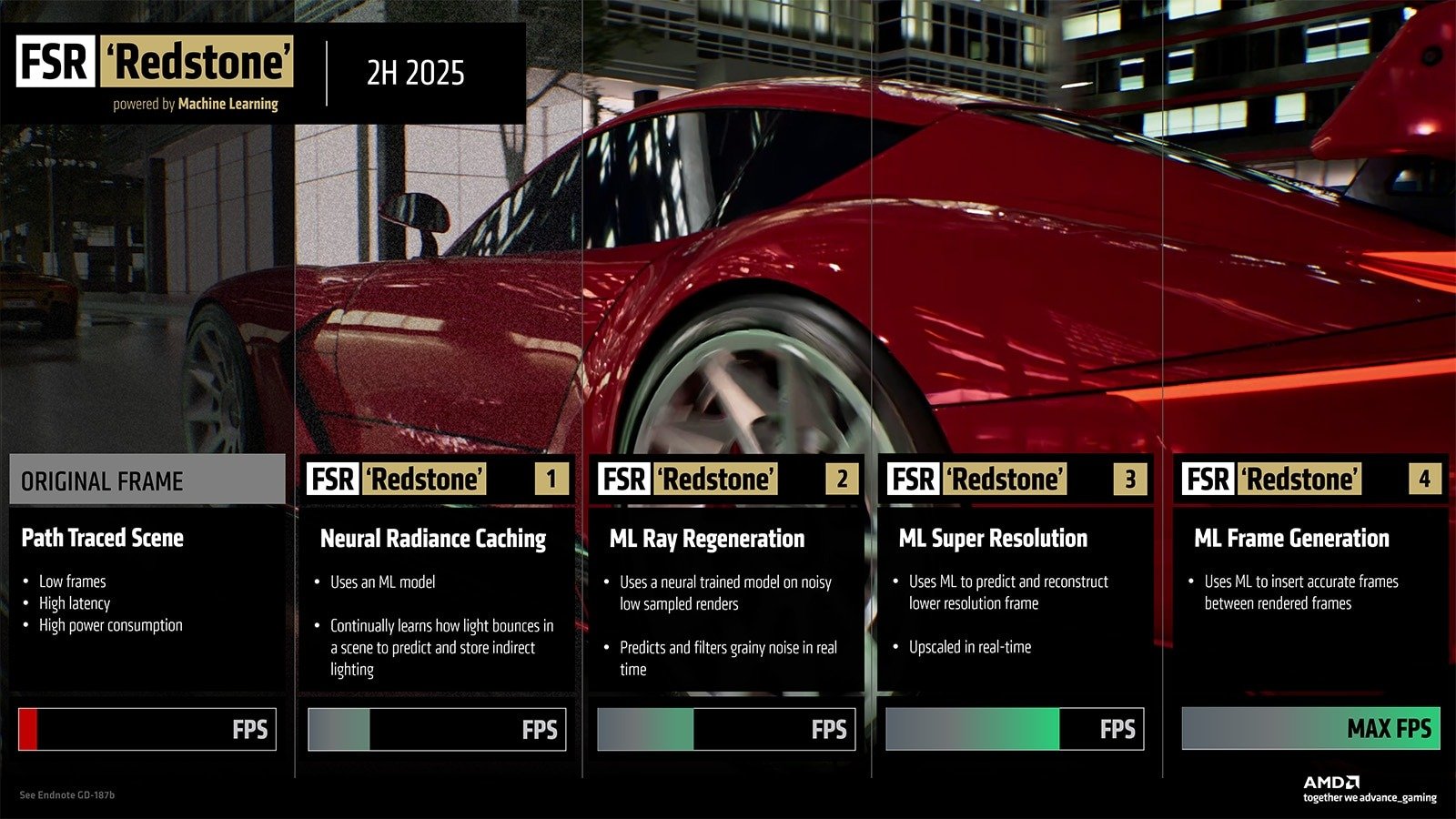
FSR 4 will eventually be open-sourced despite an accidental early release. "Long-term, we're committed to openness," Zdravkovic stated, though timelines remain unconfirmed. On NPU programming, AMD defers to Microsoft's DirectML abstraction layer for now. "Architectures differ too widely across vendors," Zdravkovic explained, noting Vitis libraries remain the primary low-level access method.
Handhelds and Future Directions
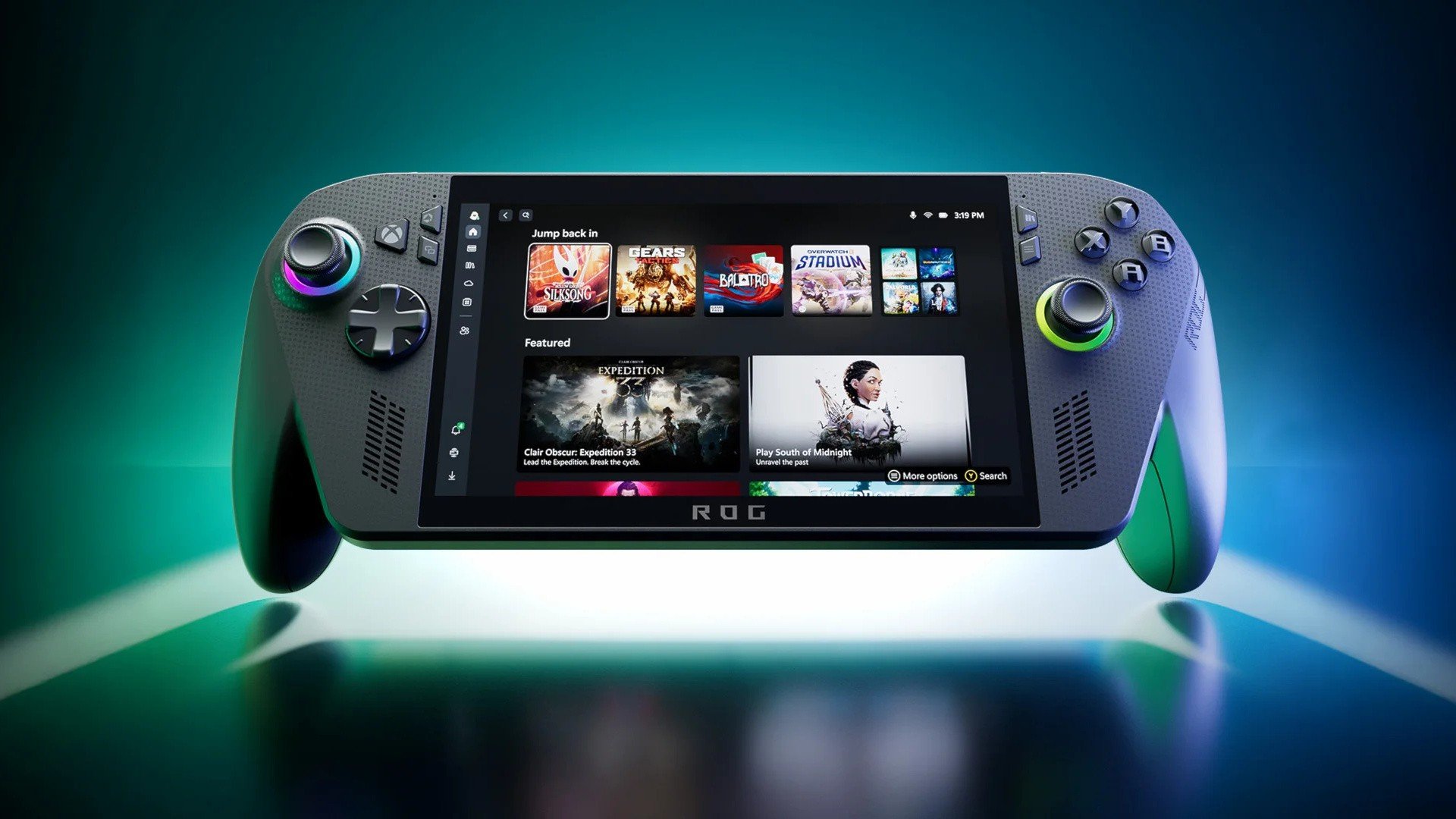
For handhelds like the Asus ROG Ally, AMD confirmed ADLX APIs allow OEMs to integrate features like RSR and AFMF into their UIs. SteamOS support depends on Valve collaboration. Terry also solicited feedback on video encoding improvements, pledging fixes for verified issues.
AMD's CES 2026 software pivot signals recognition that AI democratization requires radical simplification. As Zdravkovic summarized: "We're bridging the gap between supercomputers and Ryzen laptops."
Comments
Please log in or register to join the discussion