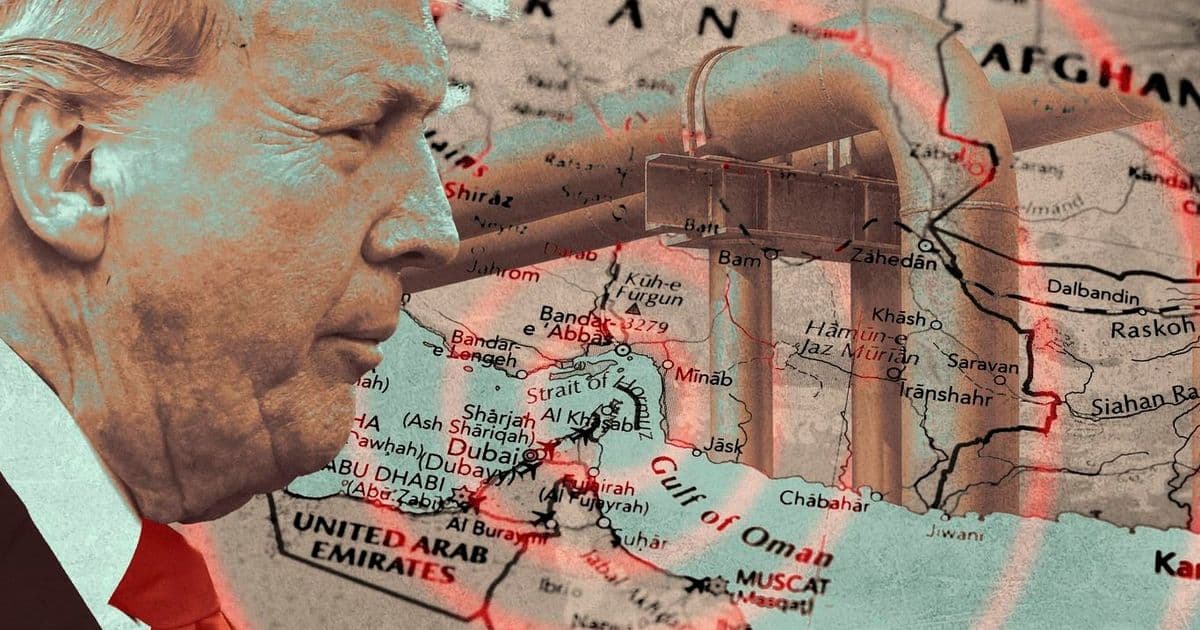
A new Axios-Ipsos poll reveals that a majority of Americans oppose further military action against Iran, with only 37% supporting strikes on nuclear facilities and just 29% backing regime change.
A new Axios-Ipsos poll reveals that a majority of Americans oppose further military action against Iran, with only 37% supporting strikes on nuclear facilities and just 29% backing regime change.
Public opposition to military escalation
As tensions continue to simmer in the Middle East, American public opinion shows a clear reluctance to support military escalation against Iran. The poll, conducted by Ipsos for Axios, found that only 37% of Americans support military strikes on Iranian nuclear facilities, while a mere 29% favor efforts to overthrow the Iranian regime.
This skepticism comes amid ongoing diplomatic efforts to address Iran's nuclear program and regional influence. The findings suggest that despite heightened rhetoric from some political figures, the American public remains wary of military interventions that could lead to another protracted conflict in the Middle East.
Partisan divides on Iran policy
The poll reveals significant partisan differences in attitudes toward Iran. Republican respondents showed notably higher support for military action compared to Democrats and independents. However, even among GOP voters, support for regime change remains below majority levels.
These partisan splits reflect broader disagreements about America's role in the Middle East and the appropriate response to Iran's nuclear ambitions and support for proxy groups across the region.
Economic concerns factor into opposition
Economic considerations appear to play a significant role in shaping public opinion. Many Americans express concern about the potential economic consequences of military action against Iran, including impacts on oil prices, global markets, and the possibility of retaliatory actions that could affect U.S. interests worldwide.
Historical context influences views
The American public's skepticism also reflects the legacy of previous Middle East conflicts. The experiences of the Iraq War and its aftermath continue to influence how Americans view the prospect of military action against Iran, with many expressing wariness about the potential for mission creep and long-term entanglements.
Diplomatic alternatives gain traction
The poll suggests growing support for diplomatic and economic approaches to addressing concerns about Iran's nuclear program. Options such as enhanced sanctions, international negotiations, and diplomatic pressure appear to resonate more strongly with the American public than military solutions.
Generational differences emerge
Younger Americans show particularly strong opposition to military action against Iran, with millennials and Gen Z respondents expressing greater skepticism about the effectiveness and necessity of military interventions in the Middle East compared to older generations.
What this means for U.S. policy
The disconnect between public opinion and some political rhetoric on Iran policy could have significant implications for how the issue is handled in Washington. Policymakers may face pressure to pursue more diplomatic solutions or risk political backlash if they pursue military options that lack broad public support.
Regional stability concerns
Many Americans express concern about the potential for military action against Iran to destabilize the broader Middle East region. The interconnected nature of regional conflicts and the presence of U.S. forces in neighboring countries contribute to public wariness about escalation.
International implications
The American public's skepticism about military action against Iran aligns with the positions of many U.S. allies, who have also expressed reservations about military escalation. This convergence could influence how the Biden administration approaches the issue in multilateral forums.
Looking ahead
As the situation with Iran continues to evolve, the strong public opposition to military escalation may serve as a constraint on policymakers considering more aggressive options. The findings suggest that any significant shift toward military action would likely require substantial public education efforts and clear justification for such a dramatic policy change.
The poll's findings highlight the complex calculations facing U.S. policymakers as they navigate the challenge of addressing Iran's nuclear program and regional activities while managing domestic political considerations and public sentiment. As tensions persist, the gap between public opinion and some political rhetoric on Iran policy remains a significant factor in the ongoing debate over America's approach to the Islamic Republic.
Comments
Please log in or register to join the discussion