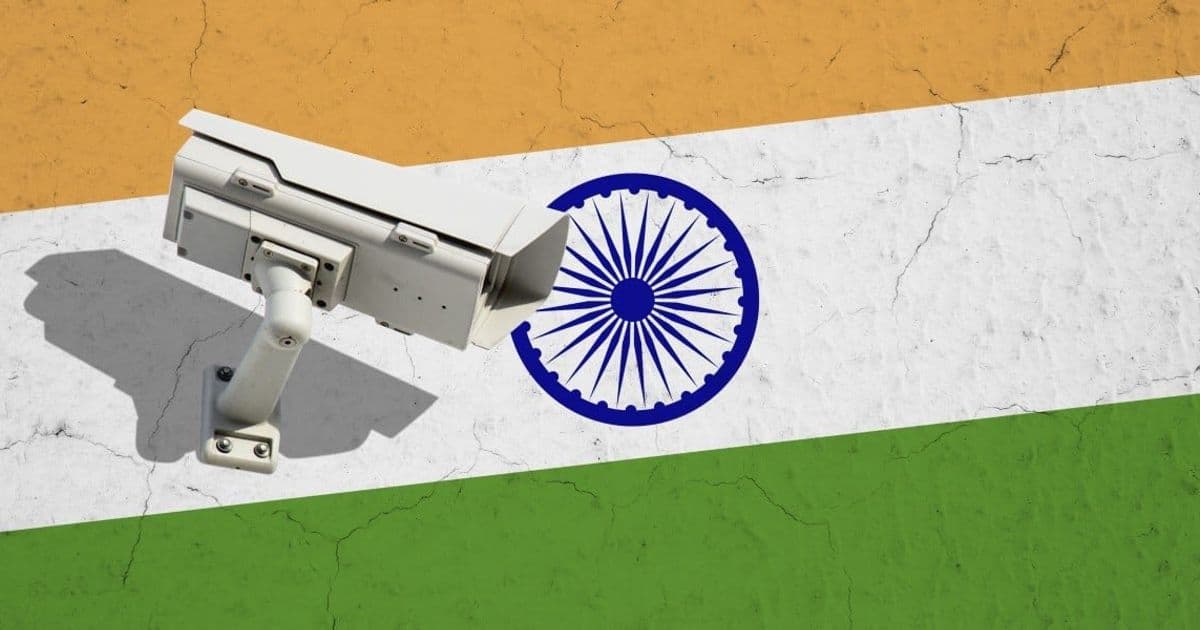
Indian authorities have ordered a comprehensive audit of all CCTV cameras nationwide following the discovery of a Pakistan-backed surveillance network targeting critical infrastructure.
Indian authorities have launched a comprehensive audit of the nation's CCTV camera infrastructure after police uncovered what they allege is a Pakistan-backed espionage operation targeting critical facilities across the country.
The investigation began on March 14th when police in Ghaziabad, a city adjacent to India's capital Delhi, arrested suspects after discovering CCTV cameras positioned to monitor railway stations and other vital infrastructure. The solar-powered cameras were streaming live video over cellular networks to viewers in Pakistan, according to authorities.
The devices reportedly used cellular connectivity, potentially through accounts tied to stolen SIM cards, to transmit footage across the border. Indian investigators found multiple cameras in various locations, all strategically placed near important infrastructure sites.
Political Context and Security Implications
The timing of this discovery carries significant political weight. India and Pakistan fought a brief war last year, and tensions between the two nuclear-armed nations have remained high for decades. Both countries regularly accuse each other of sponsoring terrorism and engaging in espionage activities.
The allegation that Pakistan successfully installed and operated surveillance cameras within Indian territory suggests potential vulnerabilities in Delhi's defenses against its primary regional adversary. This has raised serious questions about the effectiveness of India's border security and counterintelligence measures.
SIM Card Registration Limitations
The incident has exposed weaknesses in India's SIM card registration system, which requires all mobile connections to be registered to verified users. The fact that the cameras were able to operate using what authorities believe were stolen SIM cards demonstrates that even strict registration requirements have their limits when dealing with sophisticated espionage operations.
Nationwide Audit Ordered
Following the initial discoveries, India's Ministry of Home Affairs has ordered a comprehensive audit of all CCTV cameras across the nation. The audit aims to verify that operators have properly secured their surveillance systems and that no unauthorized devices are in operation.
This sweeping review suggests Indian authorities fear the surveillance network may be more extensive than initially discovered. The concern is well-founded given the notorious security vulnerabilities of many CCTV systems.
Security Vulnerabilities in CCTV Systems
CCTV cameras have long been recognized as potential security risks due to their frequent use of outdated or vulnerable software. Many devices run older versions of Linux operating systems with unpatched security flaws, making them attractive targets for hackers and state-sponsored actors.
These vulnerabilities have been exploited in the past to create massive botnets. The Mirai botnet, for example, famously compromised thousands of IoT devices, including CCTV cameras, to launch distributed denial-of-service attacks.
Government Certification Program
In response to these security concerns, the Indian government has implemented a certification program for CCTV cameras sold within its borders. To date, 507 camera models have received government certification, and government entities are required to use only these approved devices.
However, this certification program has limitations. Private citizens and organizations are not restricted to using only certified cameras, and determined spies remain free to acquire and deploy whatever surveillance equipment they choose.
Industry Standards and Best Practices
The government has established standards for CCTV cameras sold in India, including requirements to check for vulnerabilities that could allow unauthorized remote access. These standards aim to reduce the risk of cameras being compromised and used for surveillance or incorporated into botnets.
Broader Implications for Surveillance Security
This incident highlights the broader challenges of securing surveillance infrastructure in an era of sophisticated state-sponsored espionage. The ability of foreign actors to deploy hidden cameras near critical infrastructure demonstrates that physical security measures must evolve alongside digital security protocols.
The discovery also raises questions about the balance between legitimate surveillance needs and national security concerns. While CCTV cameras serve important purposes for public safety and crime prevention, they can also be weaponized for espionage when not properly secured.
International Context
The surveillance operation uncovered in India is part of a larger pattern of state-sponsored espionage activities using commercial surveillance technology. Similar incidents have been reported in other countries, where foreign actors have used hidden cameras and other monitoring devices to gather intelligence on infrastructure, military installations, and government facilities.
Next Steps for Indian Authorities
The nationwide audit represents a significant undertaking that will require coordination across multiple government agencies, law enforcement bodies, and private sector partners. The process will likely involve physical inspections of camera installations, network security assessments, and verification of device ownership and authorization.
Authorities will need to determine whether the discovered cameras represent an isolated incident or part of a larger, coordinated surveillance effort. The outcome of this audit could lead to stricter regulations on CCTV deployment and enhanced security requirements for surveillance equipment.
Conclusion
The discovery of Pakistan-linked surveillance cameras in India has triggered a major security review that underscores the evolving nature of modern espionage. As surveillance technology becomes more accessible and sophisticated, nations must continually reassess their security measures to protect against both traditional and emerging threats.
The effectiveness of India's response to this incident will likely serve as a case study for other countries facing similar challenges in securing their surveillance infrastructure against state-sponsored threats. The balance between enabling legitimate surveillance while preventing its misuse for espionage remains a critical challenge for governments worldwide.
Comments
Please log in or register to join the discussion