Bangkok's street food sector shows resilience with innovative pricing models as Thailand targets tourism recovery, though macroeconomic pressures persist.
Bangkok's street food economy is demonstrating unexpected resilience amid Thailand's tourism rebound, with vendors adopting strategic pricing models that reflect broader consumer trends across Southeast Asia. According to Thailand's Ministry of Commerce, street food vendors reported a 28% year-on-year revenue increase in Q4 2025, outpacing the country's overall 4.3% tourism growth during the same period.
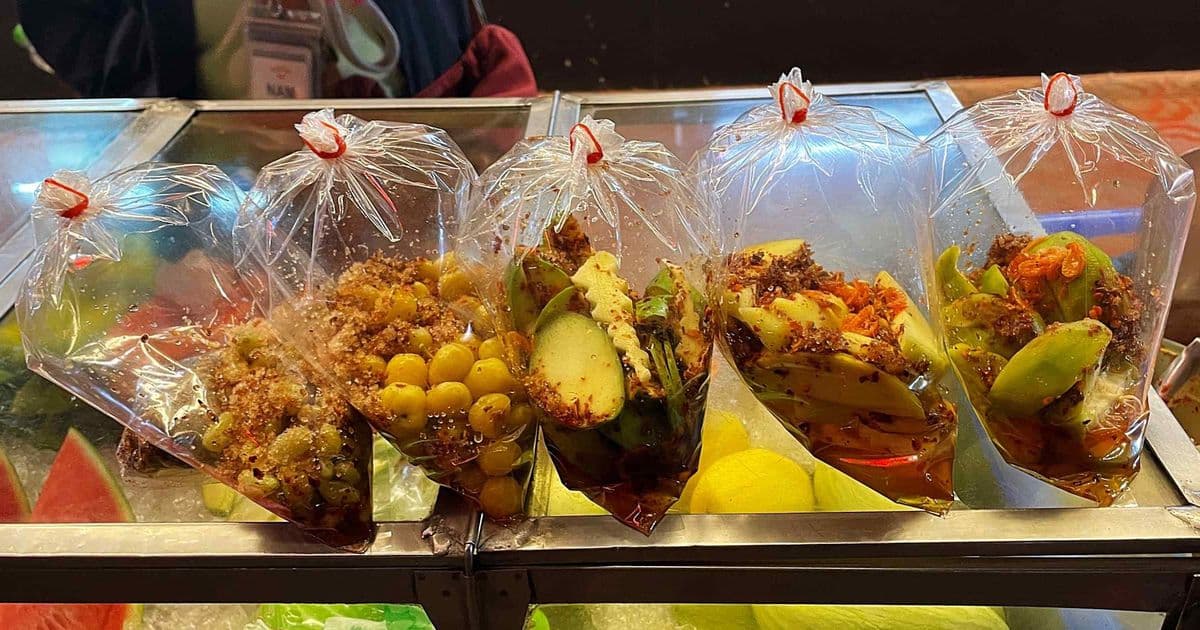
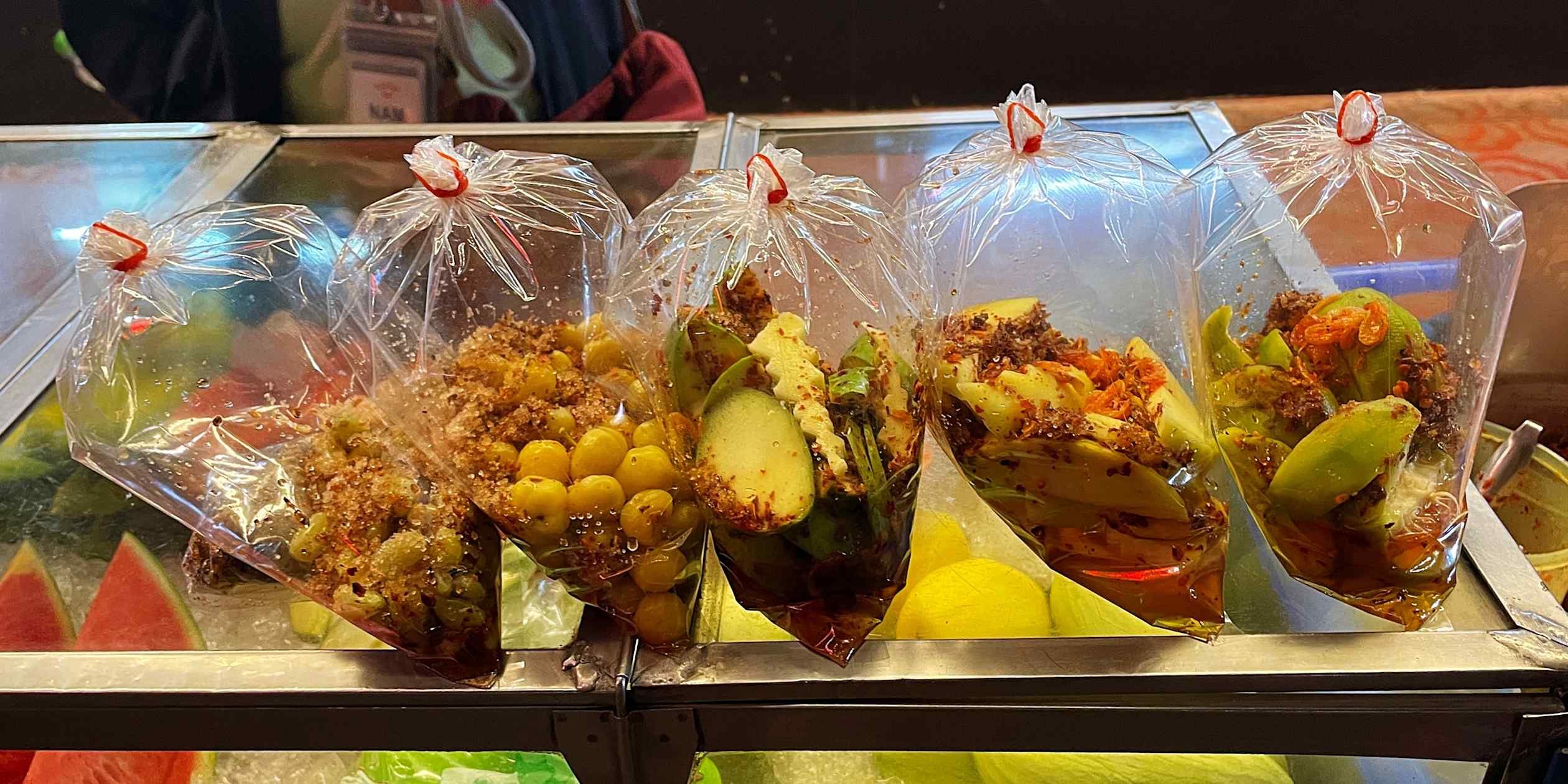
The phenomenon highlights how micro-businesses are adapting to inflationary pressures. Vendors along popular routes like Yaowarat Road now employ tiered pricing strategies: basic fruit bags like the featured mango and longan packages maintain accessible 30-50 THB ($0.85-$1.40) price points, while premium offerings targeting tourists reach 150-200 THB ($4.20-$5.60). This segmentation preserves local affordability while capturing tourist spending power.
Data from the Bank of Thailand indicates food inflation moderated to 3.1% in December 2025, but ingredient costs remain volatile. Wholesale fruit prices increased 18% year-on-year, forcing vendors to optimize sourcing through direct farm partnerships. The National Innovation Agency reports 37% of registered street vendors now use digital inventory systems to manage margins, compared to just 12% pre-pandemic.
Tourism remains critical to recovery projections. Thailand welcomed 28.1 million international visitors in 2025 – 82% of 2019 levels – contributing 12.4% to GDP according to the World Travel & Tourism Council. However, the Tourism Authority of Thailand notes spending per traveler remains 15% below pre-pandemic averages, driving vendors' focus on high-margin offerings.
Looking forward, Bangkok's street food sector faces structural challenges. Urban redevelopment projects have reduced vendor zones by 22% since 2020 according to city planning documents, while competition from delivery platforms like GrabFood and Line Man captures 30% of potential street food revenue. Still, the industry's adaptive pricing strategies offer lessons for informal economies globally navigating inflationary environments.
Data sources: Thailand Ministry of Commerce, Bank of Thailand, Tourism Authority of Thailand, National Innovation Agency
Comments
Please log in or register to join the discussion