A Reddit user's innovative RG Modular concept proposes a swappable control system for handheld gaming, addressing the limitations of fixed-layout devices while raising practical questions about implementation.
Anbernic Fan's Modular RG Concept Challenges One-Size-Fits-All Handheld Philosophy
The handheld gaming market has seen remarkable innovation recently, with Anbernic's recent RG Rotate being the latest example. However, the most interesting development might not come from the manufacturer itself, but from the community. A concept by Reddit user Snoo_6285, dubbed the "RG Modular," is circulating on r/SBCGaming and proposes a radical approach to handheld gaming design—one that rejects the "one-size-fits-all" philosophy that has dominated the industry.
What's New: The Modular Design Philosophy
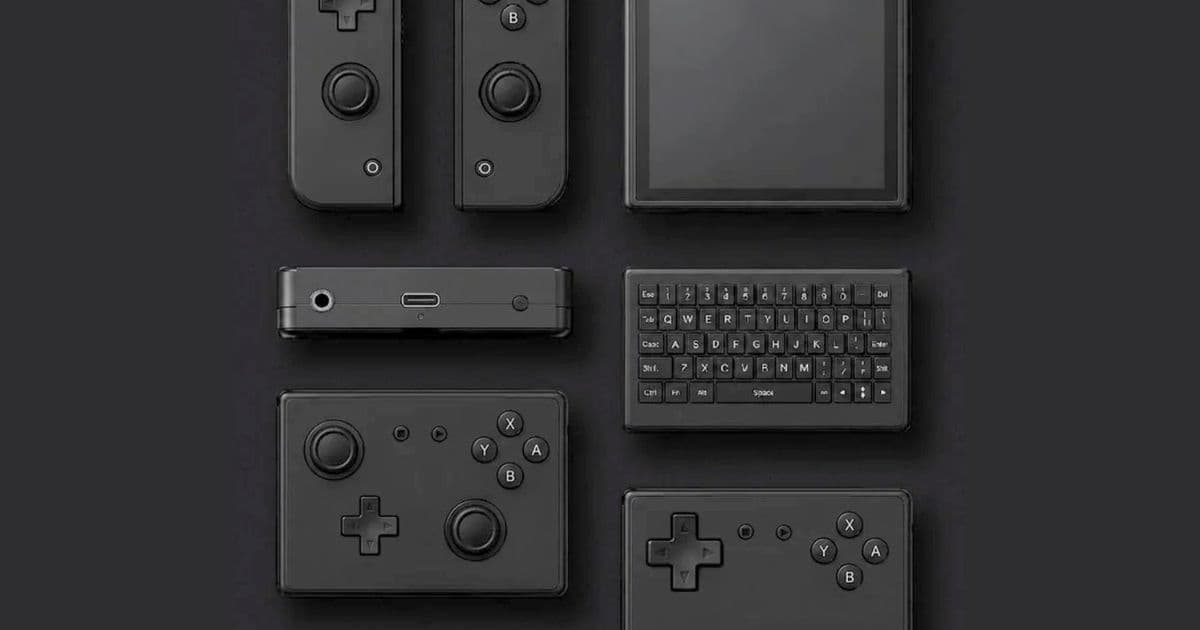
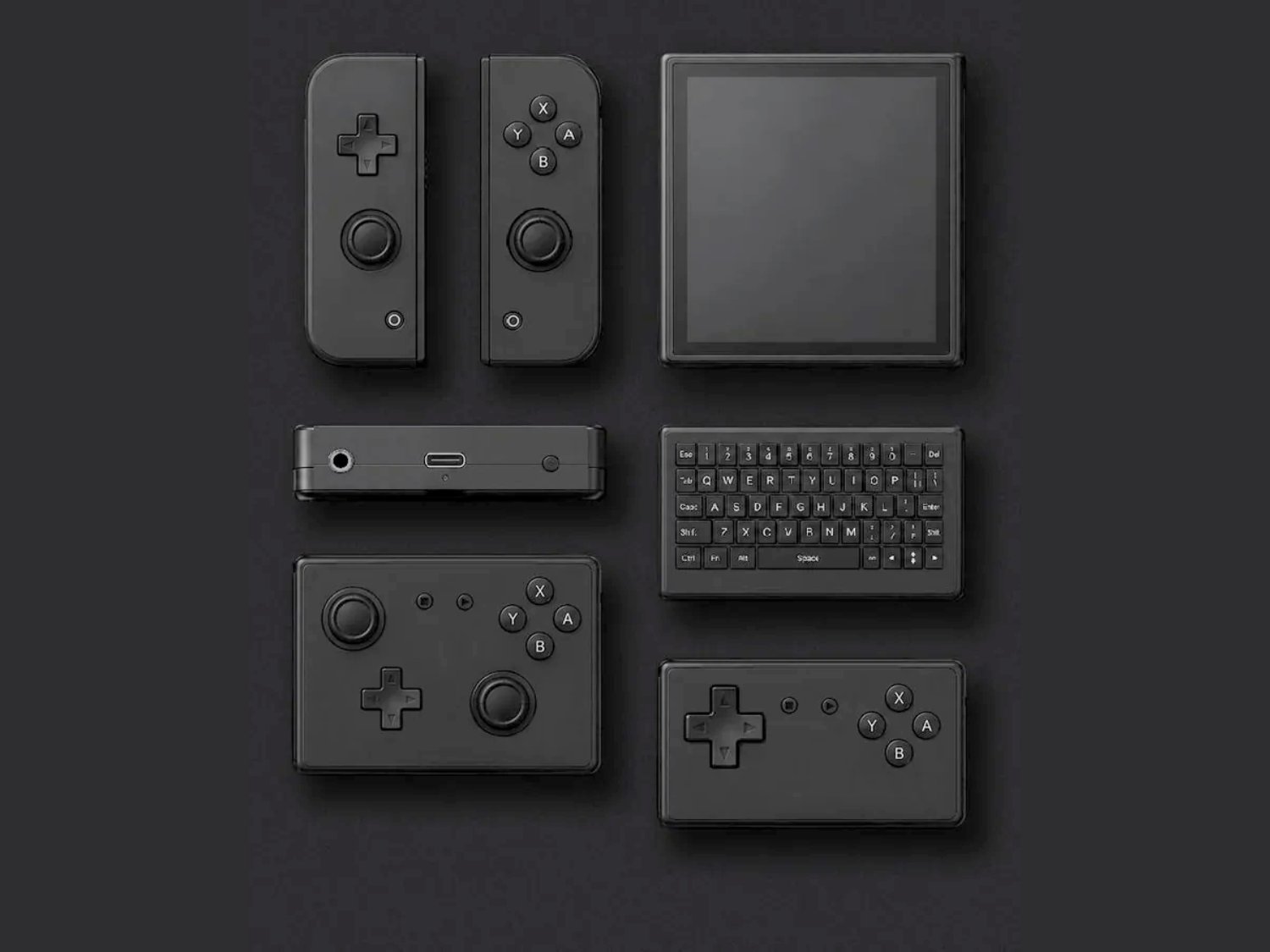
The RG Modular concept centers around a core screen unit with standardized attachment points, allowing users to swap control modules depending on the game they're playing. This approach recognizes that different game genres benefit from different control schemes, a truth that fixed-layout handhelds have long struggled with.
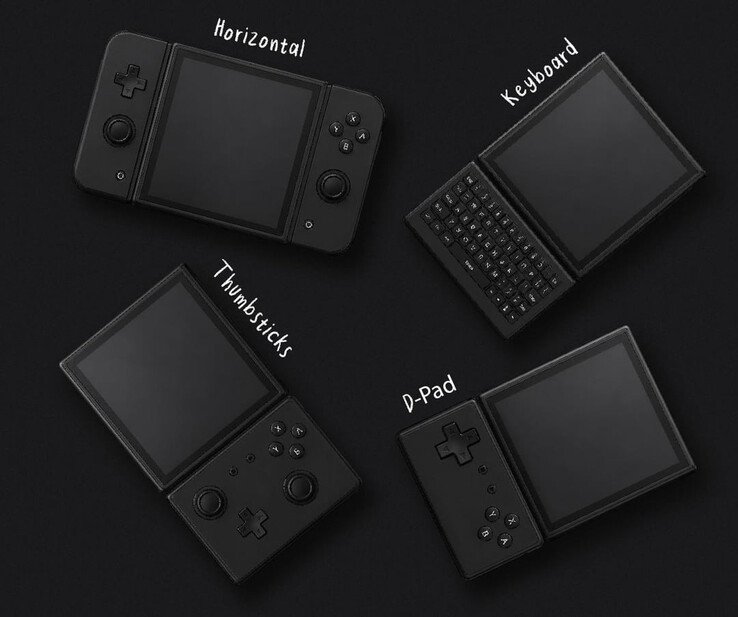
The base model would ship with a simple D-pad module optimized for arcade-style games, platformers, and fighting games. More advanced modules would be available as separate purchases, including:
- A horizontal grip with dual analog sticks for 3D action games and RPGs
- A full QWERTY keyboard module for simulation and strategy titles
- A vertical controller configuration for fighting games
- A trackball module for point-and-click adventures
Innovatively, some community members have suggested that these modules could potentially double as external batteries, addressing one of the biggest pain points in handheld gaming: battery life. The concept envisions a system where swapping modules not only changes the control layout but also adds to the device's overall battery capacity.
How It Compares to Existing Solutions
The modular approach stands in stark contrast to current handheld gaming options. Traditional devices like the Anbernic RG35XX Pro offer fixed control layouts that require compromises. A device with a D-pad and analog sticks might be perfect for platformers but awkward for fighting games that prioritize a traditional eight-directional pad.
Existing modular solutions like the OneX Sugar and GameMT E5 ModX do exist, but they come with significant limitations. These devices are typically expensive, often priced beyond the reach of casual gamers, and are frequently sought after by collectors rather than practical players. The RG Modular concept, by contrast, appears designed with accessibility and versatility in mind.
The concept also addresses a common complaint among retro gaming enthusiasts: screen ratio. While modern games benefit from widescreen displays, classic retro games were designed around 4:3 aspect ratios. The RG Modular concept suggests maintaining a 4:3 ratio for the core screen, with modules that could potentially adjust the aspect ratio when needed for modern titles.
Practical Challenges and Community Feedback
Despite the enthusiastic reception, the concept has faced practical scrutiny from the community. Several potential hurdles have been identified:
Weight Distribution: A D-pad-only module might make the device feel top-heavy, potentially affecting ergonomics during extended gaming sessions.
Connection Standards: There's ongoing debate about the best connection method. Traditional rails offer secure connections but risk mechanical wear over time. Pogo pin connectors or magnetic attachments could provide easier swapping but might compromise stability. The community seems divided between those prioritizing durability and those favoring convenience.
Screen Ratio Concerns: While the concept looks sleek with its widescreen design, some users have warned that this could make certain retro consoles unplayable on smaller screens. The suggestion to stick with a 4:3 ratio to maintain portability and focus on retro gaming has gained traction among traditionalists.
Cost Considerations: The modular approach could significantly increase the overall cost of ownership, especially if users need to purchase multiple modules. The community has discussed potential solutions, including module rental programs or standardized third-party manufacturing to keep costs down.
Who It's For: The Versatile Gamer
The RG Modular concept appears ideally suited for several types of gamers:
- Genre-Hoppers: Players who frequently switch between different game types would benefit from having the optimal control layout for each genre.
- Retro Enthusiasts: Those who play both classic and modern games would appreciate the ability to adjust screen ratios and control schemes.
- Tinkerers: Gamers who enjoy customizing their experience would find joy in collecting and experimenting with different modules.
- Developers: Indie developers could benefit from having access to different control schemes during the testing phase.
The concept represents a significant shift in handheld design philosophy, moving away from the "jack-of-all-trades, master of none" approach that has defined many recent devices. Instead, it embraces the idea that a handheld should adapt to the software rather than forcing the player to compromise their experience.
Market Implications and Future Possibilities
If implemented successfully, the modular approach could revolutionize the handheld gaming market. It would address one of the industry's most persistent problems: the compromise between different control schemes. A modular system could potentially extend the lifespan of a device, as users wouldn't need to purchase entirely new hardware when their gaming preferences change.
The concept also opens interesting possibilities for third-party module development. Imagine specialized modules for specific game franchises or genres, or modules developed by indie developers to complement their games. This could create a new ecosystem of accessories and expand the market beyond traditional hardware manufacturers.
However, the success of such a concept would depend heavily on execution. The connection system would need to be both robust and user-friendly, with minimal latency between module swaps. The standardization of connection points would be crucial to ensure compatibility across different modules and manufacturers.
The battery integration concept is particularly promising, as it addresses one of the biggest limitations of current handhelds. If modules could genuinely extend battery life while providing improved control schemes, it would solve multiple problems simultaneously.
Conclusion: A Vision for the Future of Handheld Gaming
The RG Modular concept, while unofficial, offers a compelling vision for the future of handheld gaming. It recognizes that gamers' needs vary widely and that a single, fixed control layout cannot serve everyone optimally. By allowing users to customize their experience based on their specific needs, the concept represents a significant departure from current industry practices.
While practical challenges remain, the community enthusiasm for the idea suggests there's a market demand for more versatile handheld solutions. As Anbernic and other manufacturers continue to innovate, we may see elements of this modular philosophy incorporated into future official products.
For now, the RG Modular remains an exciting fan concept that highlights what enthusiasts really want: devices that adapt to their software rather than forcing players to compromise. Whether this vision becomes reality remains to be seen, but it certainly provides food for thought for the future of handheld gaming design.
Source: u/Snoo_6285 on r/SBCGaming
Comments
Please log in or register to join the discussion