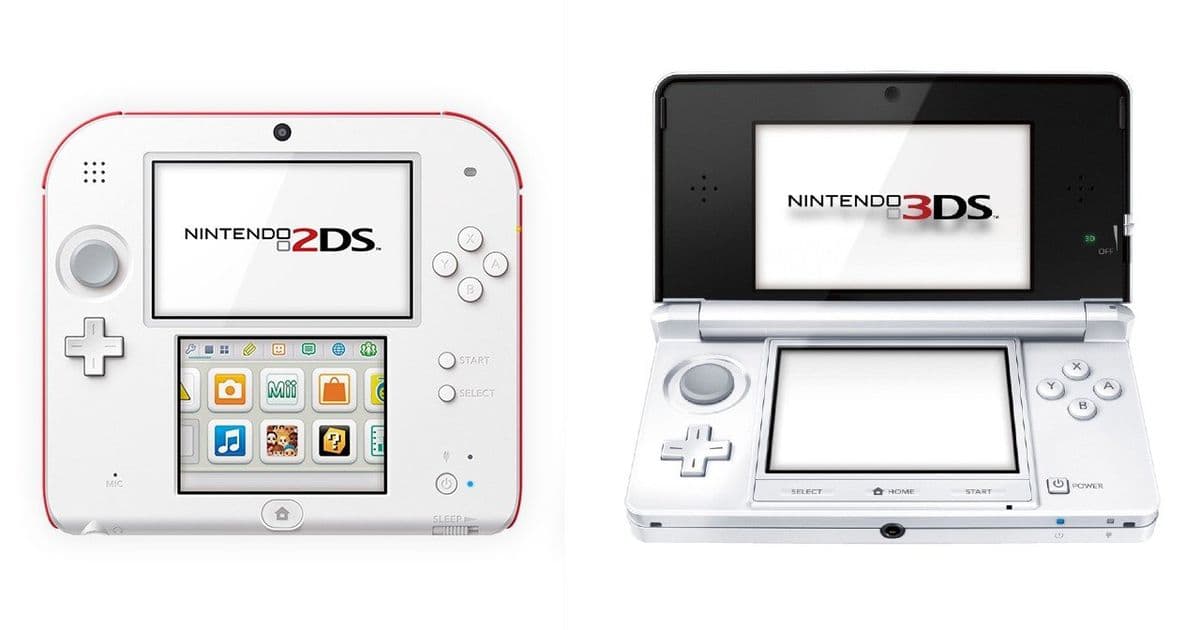
Anbernic appears to be expanding its retro handheld lineup with two new dual-screen devices modeled after Nintendo's discontinued 2DS and 3DS systems, featuring modern specs and higher-resolution displays.
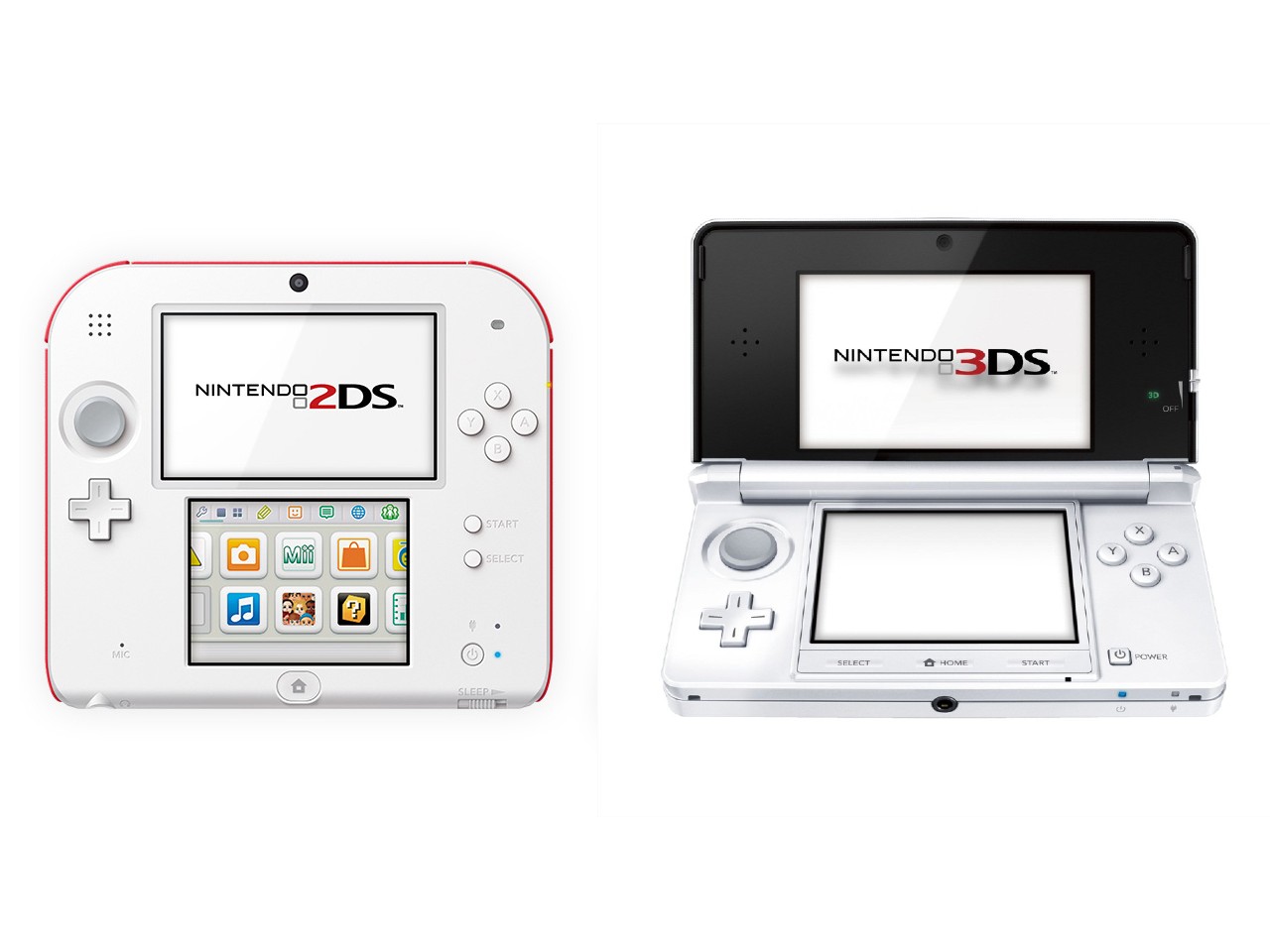
Anbernic has been on a roll this year, releasing handhelds inspired by classic gaming hardware. The PS Vita-inspired RG Vita and RG Vita Pro showed the company's commitment to reviving beloved form factors, and the RG Rotate with its swiveling display demonstrated willingness to experiment. Now, reports from Chinese social network QQ suggest two new dual-screen handhelds are in development: the RG 2DS and RG 3DS, both based on discontinued Nintendo models.
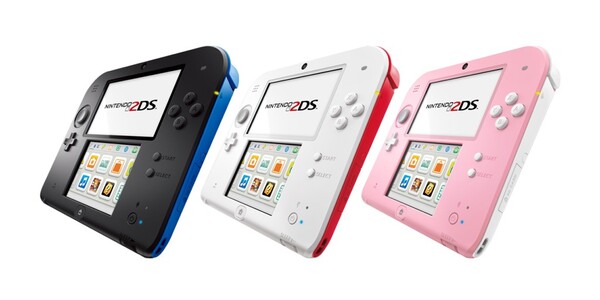
The RG 2DS: A Modern Take on the Non-Hinge Design
The first of these devices, reportedly called the Anbernic RG 2DS, draws clear inspiration from the Nintendo 2DS released in 2013. That original handheld was part of the 3DS family but notably lacked the hinge mechanism found on the 2DS XL, 3DS, and 3DS XL models. Instead, it featured a single slab design with two screens arranged side by side.
According to the leaked specifications, the RG 2DS will feature a custom main display with a 1600 × 900 resolution and a secondary display at 400 × 240. To put this in perspective, the original Nintendo DS launched with a 3.53-inch 400 × 240 upper display and a 3.2-inch 320 × 240 lower display. The RG 2DS's main screen significantly outperforms the original hardware in pixel density.
The design is expected to mirror the original 2DS closely, but with several key modern improvements. Anbernic will likely include a USB-C port for charging and data transfer, a more powerful processor capable of handling demanding emulation tasks, improved speakers for better audio quality, and a substantially larger battery capacity. The device will probably ship with either Android or Linux preinstalled, giving users flexibility in how they access their game libraries.
The RG 3DS: Clamshell Revival Without the 3D
The second device, the Anbernic RG 3DS, takes a different approach by adopting the clamshell form factor of the original Nintendo 3DS. This design was popular for its portability and screen protection when closed. The RG 3DS will feature a main display with a 5:3 aspect ratio and 1600 × 900 resolution, paired with a secondary 400 × 240 display.
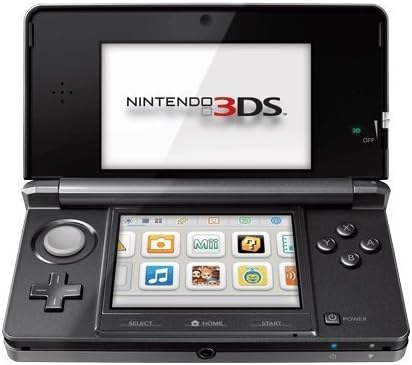
One notable omission: the RG 3DS won't support glasses-free 3D, the signature feature of the original Nintendo 3DS. This is understandable from a cost and complexity standpoint, as glasses-free 3D displays require specialized hardware that would significantly increase the device's price point. It's also unclear whether Anbernic will include cameras like the original 3DS, though given the focus on emulation rather than native gaming, cameras seem less likely.
Like the RG 2DS, the RG 3DS is expected to feature modern internals with improved processor performance, additional RAM, increased storage capacity, and better battery life compared to the original hardware.
How These Compare to Previous Anbernic Releases
Anbernic's 2025 lineup has been diverse. The RG DS, available on Amazon for $129.98, already established the company's ability to produce dual-screen handhelds. The RG Vita and RG Vita Pro brought the PlayStation Vita experience to modern hardware, while the RG Rotate showed willingness to innovate with unusual form factors.
The RG 2DS and RG 3DS represent a continuation of this strategy, targeting Nintendo's handheld legacy specifically. By basing these devices on discontinued models, Anbernic taps into nostalgia while providing hardware that outperforms the originals in every measurable way.
The higher-resolution displays alone represent a significant upgrade. Where the original 3DS offered a 400 × 240 top screen, the RG 3DS's 1600 × 900 display provides roughly four times the pixel count. This translates to sharper visuals for emulated games and potentially support for higher-resolution textures in homebrew applications.
Who These Handhelds Are For
These devices target a specific audience: retro gaming enthusiasts who want to revisit Nintendo's dual-screen library without hunting down discontinued hardware. The original 2DS and 3DS systems, while still available on the secondary market, are aging. Batteries degrade, screens develop wear, and software support has ended.
For collectors, these Anbernic devices offer a way to experience classic titles without putting additional hours on original hardware. For newcomers, they provide an accessible entry point into Nintendo's dual-screen catalog without the premium prices that rare variants command on resale markets.
The absence of 3D support on the RG 3DS might disappoint some, but the reality is that glasses-free 3D was always more of a novelty than a necessity. Most games were designed to be fully playable with the feature disabled, and the improved screen resolution and processing power more than compensate for this omission.
Pricing and Availability
No release dates or pricing information has been announced yet. Anbernic typically positions its devices in the $100 to $200 range depending on specifications, so the RG 2DS and RG 3DS will likely fall within that bracket. Given the custom displays and dual-screen configurations, expect pricing toward the higher end of that spectrum.
The information originated from QQ, a Chinese social network, and was reported by RetroGG. As with all leaked specifications, these details remain unconfirmed until Anbernic makes an official announcement. However, the company's track record of following through on leaked products suggests these handhelds will eventually reach market.
The Broader Trend
Anbernic's strategy of basing handhelds on discontinued Nintendo models reflects a larger trend in the retro gaming hardware space. As Nintendo moves forward with the Switch and its successors, a growing catalog of classic titles becomes less accessible. Third-party manufacturers like Anbernic fill this gap, providing modern hardware capable of running emulated software from these legacy platforms.
This approach benefits consumers who want to revisit classic games without relying on aging hardware. It also demonstrates the viability of the retro gaming market, where demand for quality emulation devices continues to grow. Anbernic's dual-screen offerings represent a natural evolution in this space, tackling more complex form factors than the single-screen handhelds that dominated the early years of the retro revival.
For now, interested buyers will need to wait for official announcements. If the leaked specifications prove accurate, the RG 2DS and RG 3DS could become compelling options for anyone looking to experience Nintendo's dual-screen legacy on modern hardware.
Comments
Please log in or register to join the discussion