As Android faces escalating threats from sophisticated malware and malicious apps, ZDNET's rigorous testing reveals the top antivirus solutions balancing robust protection with performance. Bitdefender Mobile Security leads the pack, while Sophos Intercept X offers compelling free protection for security-conscious users.
The Android ecosystem remains a prime target for cyber threats, with malware sophistication growing yearly. While Google Play protections improve, malicious apps still slip through, and phishing sites proliferate. For developers and tech professionals whose devices hold sensitive code, credentials, or infrastructure access, robust mobile security isn't optional – it's essential. ZDNET's Charlie Osborne, after extensive testing, has identified the top Android antivirus solutions for 2025.
The Evolving Threat Landscape
Android's open nature, while fostering innovation, creates vulnerabilities absent in more walled-garden approaches. Threats have evolved beyond simple nuisanceware to include:
- Stealthy Spyware: Harvesting credentials, messages, and location data.
- Ransomware: Locking devices or encrypting critical files.
- Fleeceware: Subscribing users to expensive, fraudulent services.
- Sophisticated Phishing: Mimicking legitimate apps and websites.
"Cyber threats were once limited to suspicious links, spam, and webpage pop-ups. Now we must be aware of sophisticated malware, ransomware, and sketchy mobile apps targeting our smartphones," notes Osborne.
This landscape necessitates security solutions offering more than just basic scanning.
 ZDNET's testing focused on real-world protection capabilities for the modern Android threat landscape.
ZDNET's Top Picks: Tested and Ranked
1. Bitdefender Mobile Security: Best Overall Protection
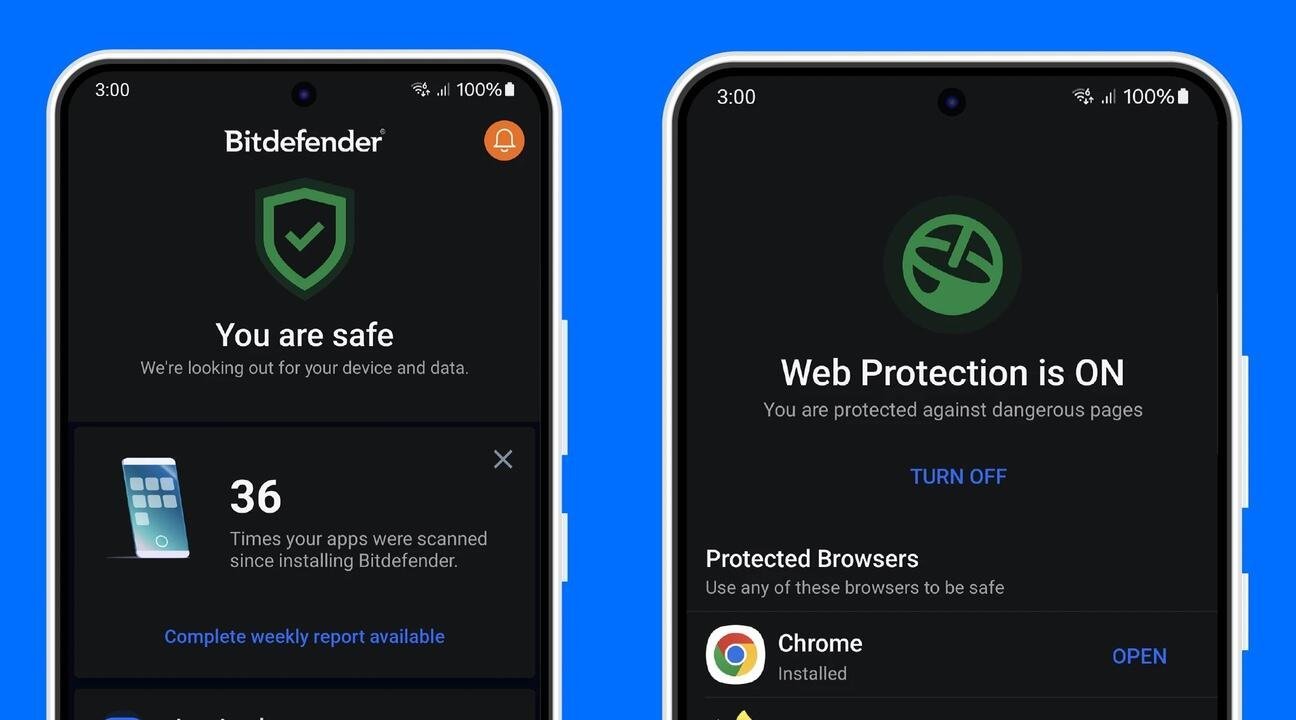 Why it Leads: Bitdefender consistently delivers top-tier detection rates with minimal system impact – a critical factor for developers running resource-intensive tools. Its clean interface offers:
- Real-time Web Protection: Blocks malicious sites and phishing attempts instantly.
- App Scanning & Behavior Monitoring: Detects malicious activity within installed apps.
- Anti-Theft Features: Remote lock, locate, and wipe capabilities.
- Advanced Scam Prevention: Flags suspicious calls and messages.
The Catch: The bundled VPN is limited to 200MB/day on the paid plan ($15/year). Developers needing heavy VPN use should consider a dedicated service.
Tech Takeaway: "Bitdefender strikes the best balance between powerful, real-time protection and maintaining device performance – crucial for developer workflows."
Google Play: 4.7 stars (448K reviews)
2. Sophos Intercept X: Best Free Option
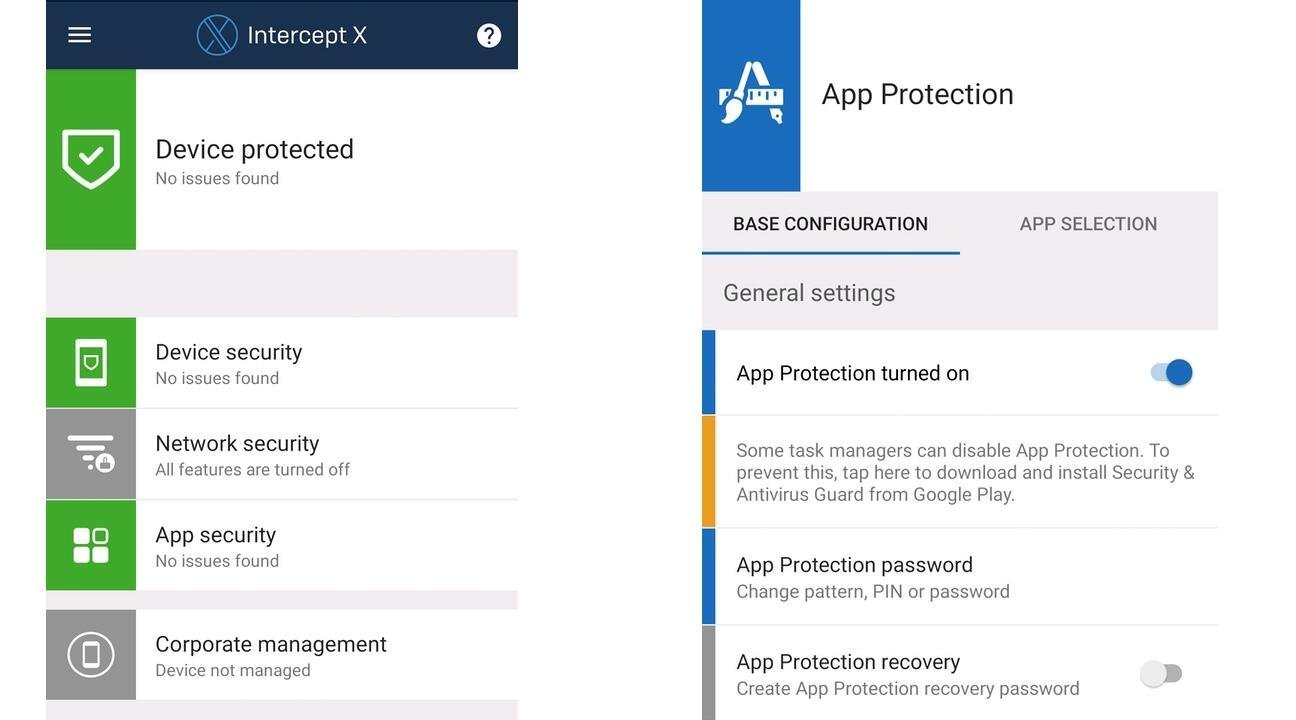 Why it Stands Out: Sophos provides enterprise-grade security tech in a free package, a rarity. Key features include:
- Robust Scanning: Detects malware, PUPs (Potentially Unwanted Programs), and adware.
- Web Filtering: Blocks access to known malicious sites.
- Privacy Advisor: Highlights apps with excessive permissions.
- Integrated Authenticator & Password Vault: Enhances overall security hygiene.
The Caveat: The interface is functional but less polished, and web filtering accuracy can occasionally falter. Requires notification permissions upfront.
Tech Takeaway: "For developers on a budget or those seeking strong baseline protection without subscription fatigue, Sophos Intercept X offers exceptional value backed by serious security credentials."
Google Play: 3.9 stars (47.1K reviews)
3. Avast Security & Virus Cleaner: Best Web Shield
Strengths: Avast excels at intercepting threats before they reach your device via the web:
- Powerful Web Shield: Actively blocks malicious domains and phishing sites effectively.
- Wi-Fi Security Scanner: Identifies vulnerabilities in connected networks.
- Junk Cleaner & Performance Tools: Helps optimize device resources.
- Data Breach Monitoring: Checks if your credentials have been exposed.
Significant Concerns:
- Ad-Supported Free Tier: Intrusive ads are a major drawback.
- FTC Settlement: Recent history involving deceptive data practices ($16.5M settlement) raises trust issues. Paid plans (Premium ~$5.80/mo, Ultimate ~$6/mo) bundle more features and remove ads.
Tech Takeaway: "While its web protection is top-notch, Avast's ad model and past privacy missteps make it a more complex recommendation for privacy-focused tech users, despite its technical capabilities."
Google Play: 4.6 stars (7.34M reviews)
4. Malwarebytes Mobile Security: Best for On-Demand Scans
The Niche: Malwarebytes shines for users who prefer manual control:
- Fast, Efficient Scans: Ideal for periodic security check-ups.
- Digital Footprint Report: Reveals if your email has been involved in known breaches (valuable for assessing credential exposure risk).
- Simple Interface: Easy to navigate for quick scans.
Limitations: The "Protection Score" heavily incentivizes upgrading to the paid plan ($45/year). The bundled VPN is considered subpar.
Tech Takeaway: "Malwarebytes is a solid choice for developers who are disciplined about running regular manual scans and prioritize simplicity, but it lacks the always-on, real-time depth of leaders like Bitdefender."
Google Play: 4.6 stars (523K reviews)
5. Norton 360: Best Integrated VPN (But With Caveats)
The Package Deal: Norton bundles reputable antivirus with a functional VPN:
- Strong Core Protection: Excellent malware detection scores.
- Scam Protection: Helps identify fraudulent calls and messages.
- Integrated VPN: Provides basic privacy on public Wi-Fi (no daily data cap).
The Downsides:
- Cost: Starting at ~$20/year (promo) for basic, rising significantly for multi-device plans.
- Aggressive Upselling: Notifications pushing other Norton services are frequently cited as annoying.
- VPN Quality: Adequate but not competitive with top-tier standalone VPNs on speed or features.
Tech Takeaway: "Norton delivers reliable security plus a convenient VPN, but the price premium and notification overload make it less compelling unless the bundled VPN specifically meets your needs."
Google Play: 4.6 stars (1.92M reviews)
Why Tech Professionals Need More Than Defaults
While Android's built-in security (Google Play Protect) provides a baseline, it's insufficient against advanced or targeted threats. Third-party antivirus adds critical layers:
- Real-Time Web Protection: Blocking malicious sites before they load, crucial when researching or accessing development resources online.
- Behavioral Analysis: Detecting zero-day and unknown malware based on suspicious activity, not just signatures.
- App Reputation Scanning: Identifying risky apps that bypassed initial store checks.
- Enhanced Privacy Controls: Spotlighting apps with excessive permissions relevant to sensitive work data.
- Anti-Phishing: Specifically tuned to catch credential theft attempts targeting technical accounts.
Choosing Your Shield: Key Considerations for Developers
- Threat Model: Are you primarily concerned about malicious apps, phishing, network snooping, or data leaks? Match the app's strengths.
- Resource Usage: Does the app impact device performance or battery life during development tasks? Bitdefender excels here.
- VPN Need: If essential, consider Norton's bundle or pair a top antivirus (like Bitdefender) with a dedicated VPN service.
- Transparency & Trust: Prioritize vendors with strong reputations and clear privacy policies. Recent controversies (like Avast's) warrant caution.
- Budget: Free options (Sophos) provide strong fundamentals; paid tiers (Bitdefender) offer advanced features.
The relentless advancement of mobile threats demands proactive defense. For those building the digital future, securing the tools used to create it is not just prudent – it's fundamental to maintaining integrity and trust in the systems we deploy. ZDNET's testing points to Bitdefender Mobile Security as the current benchmark, but the optimal choice hinges on aligning specific security needs and workflow requirements.
Source: Analysis based on testing and reporting by Charlie Osborne, Contributing Writer at ZDNET. Original Article: Best Android antivirus apps 2025.
Comments
Please log in or register to join the discussion