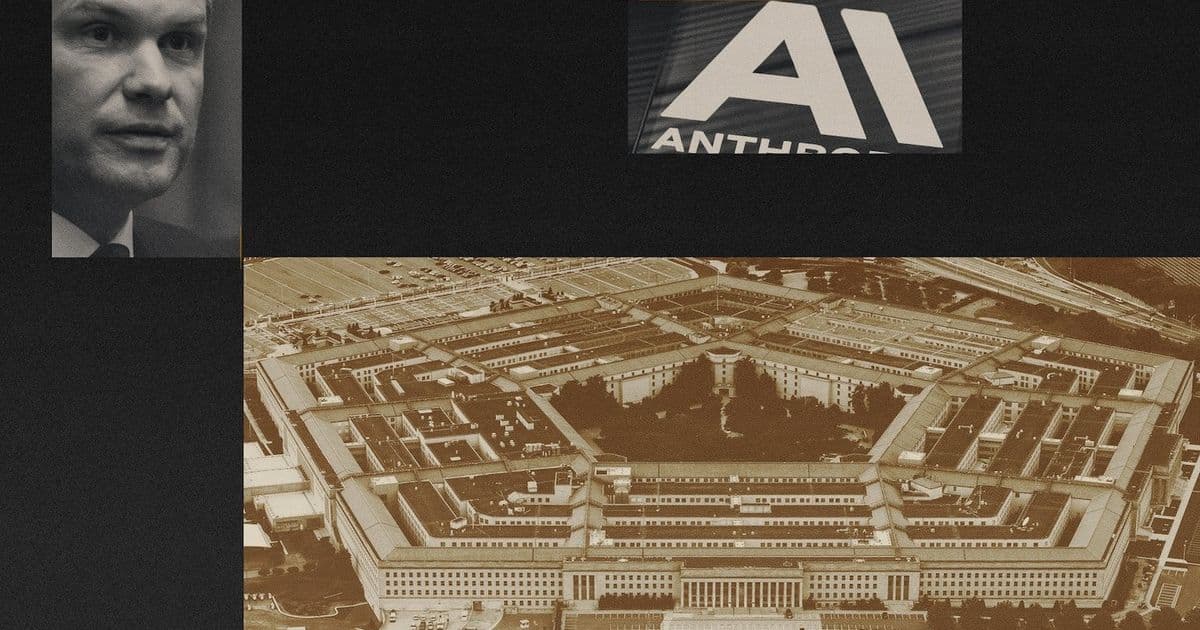
Anthropic CEO Dario Amodei refuses Pentagon's request to remove AI safeguards, citing ethical concerns over potential use in nuclear scenarios and autonomous weapons, as tensions between tech companies and the US military over AI deployment intensify.
The standoff between Anthropic and the Pentagon has escalated dramatically after the AI company refused to remove safety safeguards from its Claude models for military use, particularly in scenarios involving nuclear weapons and autonomous systems.
The conflict came to a head when the Department of Defense requested Anthropic remove certain ethical constraints from Claude that would prevent its use in hypothetical nuclear missile attack scenarios. Anthropic CEO Dario Amodei stated the company could not "in good conscience" accede to this request, marking a significant escalation in the broader debate over AI safety versus military utility.
The Core Dispute
At the heart of the disagreement is whether advanced AI systems should be allowed to operate without human oversight in military contexts. The Pentagon's request reportedly included scenarios where Claude would need to make rapid decisions during nuclear crises without the current safety guardrails that prevent harmful or unethical outputs.
Amodei emphasized that while Anthropic deeply believes in using AI to defend democratic nations and counter autocratic adversaries, this must be balanced against the risks of removing critical safety mechanisms. The company has offered to work with the military on other applications but draws the line at compromising core safety features.
Industry-Wide Implications
The Anthropic-Pentagon standoff reflects a growing tension across Silicon Valley as tech companies grapple with government requests that conflict with their stated safety principles. Several other AI firms are reportedly facing similar pressure to modify their models for military applications.
This situation has sparked debate among AI researchers and policymakers about the appropriate boundaries between innovation and safety. Some argue that the US cannot afford to limit AI capabilities in military contexts when adversaries may not face similar constraints, while others maintain that the risks of uncontrolled AI systems outweigh potential military advantages.
What Happens Next
Anthropic has stated it will work to ensure a "smooth transition" if the Pentagon decides to offboard the company's technology. This suggests the AI startup is preparing for the possibility that its refusal could result in lost government contracts.
The standoff also raises questions about the future of public-private partnerships in AI development. If leading AI companies refuse to modify their systems for military use, the Pentagon may need to develop its own AI capabilities or find alternative partners willing to accept fewer restrictions.
Broader Context
The dispute occurs against the backdrop of increasing scrutiny of AI safety across the tech industry. Just this week, over 100 Google DeepMind employees signed a letter urging the company to block military deals that could use their Gemini model for mass surveillance or autonomous weapons.
As AI systems become more powerful and their potential applications more consequential, the tension between innovation, safety, and national security is likely to intensify. The Anthropic-Pentagon standoff may prove to be a defining moment in how democratic societies choose to balance these competing priorities.
Market Impact
The controversy has already affected market sentiment around AI companies, with investors growing concerned about potential regulatory hurdles and ethical constraints on AI deployment. This comes as other major AI developments continue, including OpenAI's massive $110 billion funding round and ongoing debates about AI safety protocols across the industry.
The outcome of this standoff could set precedents for how AI companies engage with government agencies and what limitations they're willing to accept on their technology's use in sensitive applications.
Comments
Please log in or register to join the discussion