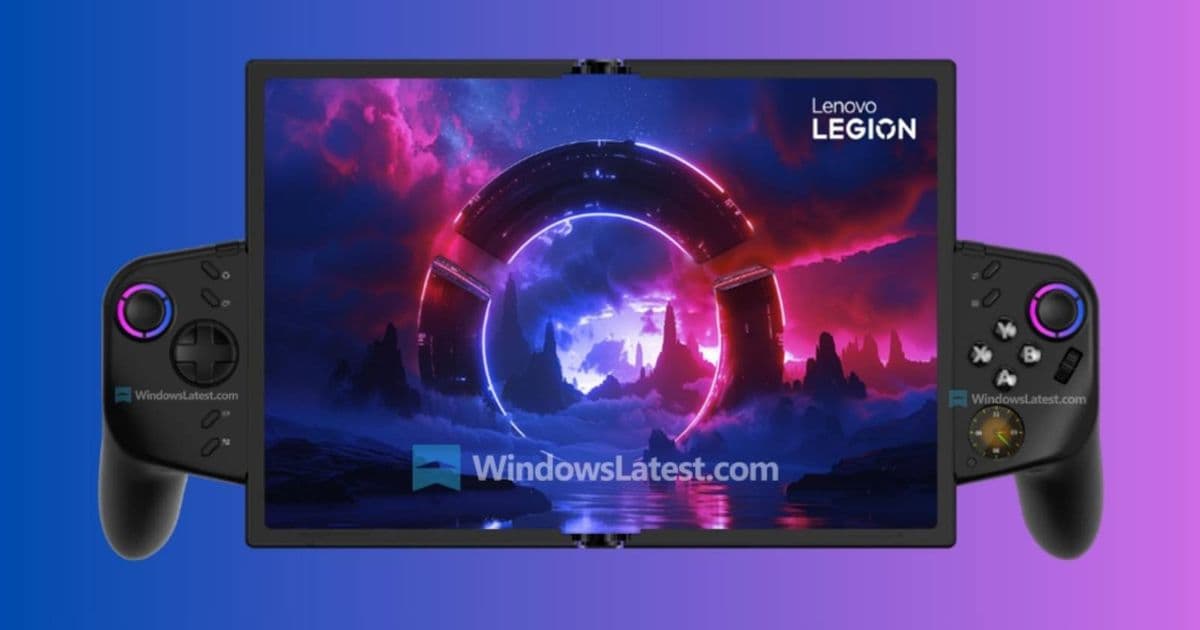
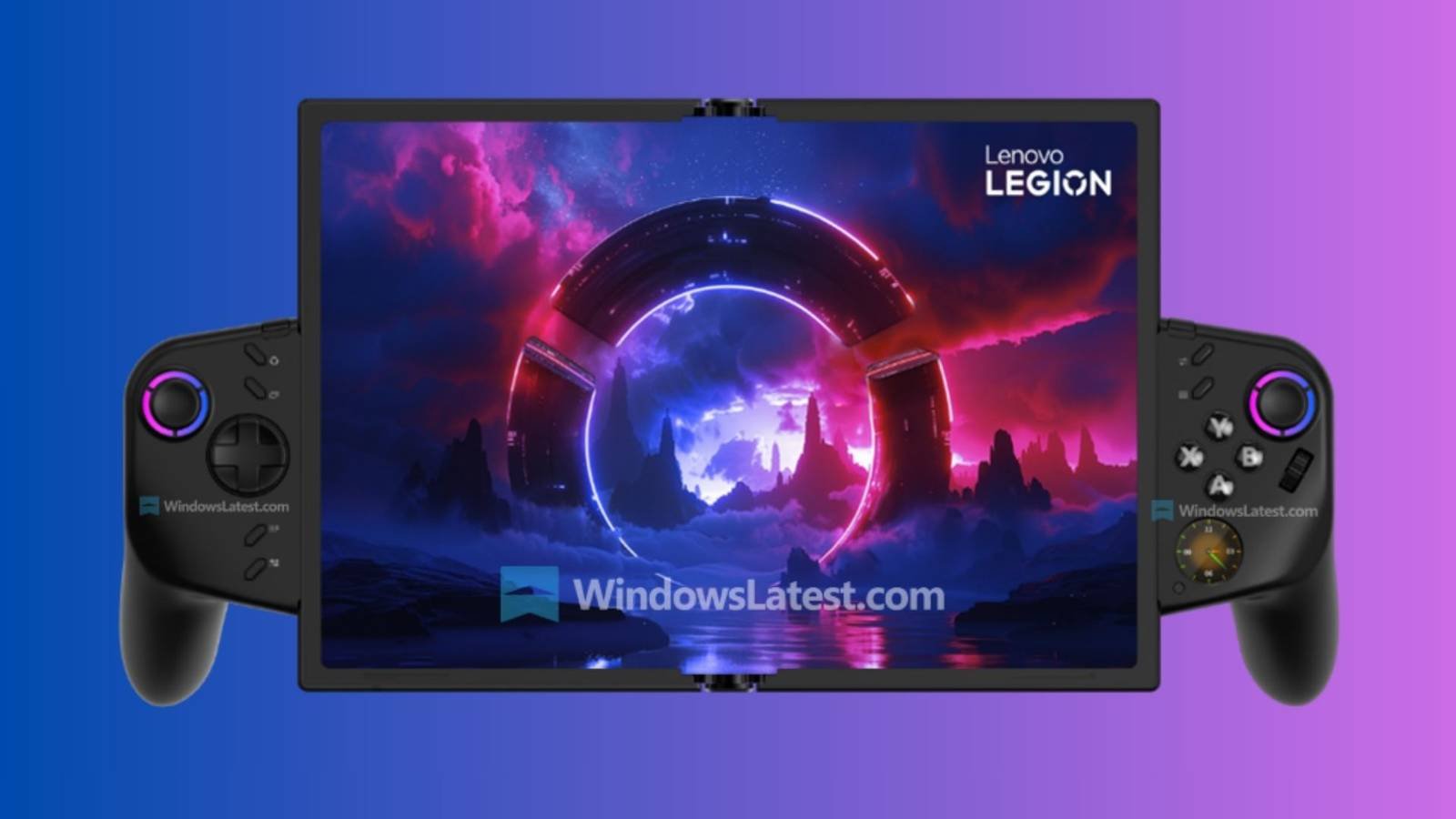
Lenovo appears to be developing a foldable gaming handheld that transforms into a Windows 11 laptop, potentially bridging the gap between mobile gaming and traditional portable computing. This ambitious device could challenge established players like ASUS ROG Ally and Steam Deck while introducing new form factors to the handheld gaming market.
Lenovo may be preparing to enter the handheld gaming market with a revolutionary foldable device that doubles as a Windows 11 laptop, according to recent leaks and industry speculation. This potential product could represent a significant evolution in portable gaming and computing, addressing key limitations of current handheld gaming PCs while introducing new form factors to the market.
The Rise of Handheld Gaming PCs
The past few years have seen a surge in dedicated handheld gaming PCs, with devices like the Steam Deck, ASUS ROG Ally, and Lenovo's own Legion Go establishing a new category of portable gaming hardware. These devices offer the flexibility of PC gaming with the convenience of a handheld form factor, appealing to gamers who want to play their existing library of PC games on the go.
However, current handheld gaming PCs face several limitations: battery life often struggles to deliver more than a few hours of gaming, controls can be cramped for complex games, and the small screen size limits the gaming experience for certain titles. A foldable design could potentially address some of these issues by allowing for larger screens when unfolded and more comfortable controls in laptop mode.
Lenovo's Gaming Heritage
Lenovo has a strong presence in the gaming hardware market through its Legion brand, which offers gaming laptops, desktops, peripherals, and accessories. The Legion Go, released in 2023, demonstrated Lenovo's commitment to handheld gaming, featuring an 8-inch display, AMD Ryzen Z1 Extreme processor, and detachable controllers.
If the foldable gaming handheld rumors are accurate, this would represent a natural evolution for Lenovo's gaming lineup. The company has previously experimented with foldable displays in its ThinkPad X1 Fold, providing valuable experience in developing hinge mechanisms and display optimization for foldable devices.
Technical Considerations
A foldable gaming handheld running Windows 11 would face several technical challenges:
Thermals: Gaming generates significant heat, and a thin foldable design would need innovative cooling solutions to prevent thermal throttling.
Battery Life: Powering both a high-resolution foldable display and gaming components would require substantial battery capacity, potentially limiting portability.
Durability: Foldable displays are more susceptible to damage than traditional screens, especially when subjected to the vibrations and impacts associated with gaming.
Performance: Balancing performance with power efficiency would be crucial to deliver a viable gaming experience while maintaining reasonable battery life.
Input Methods: The device would need to provide comfortable controls in both handheld and laptop modes, potentially requiring innovative input mechanisms.
Potential Market Position
If released, Lenovo's foldable gaming handheld would compete with several existing products:
- ASUS ROG Ally: A traditional handheld gaming PC with a 7-inch touchscreen and detachable controllers.
- Steam Deck: Valve's established handheld gaming PC with a 7-inch touchscreen and integrated controls.
- Aya Neo: Various models offering different form factors and performance levels.
- MSI Claw: A newer entrant in the handheld gaming PC market.
The foldable form factor could differentiate Lenovo's product from these competitors by offering versatility beyond traditional handheld designs. The ability to transform into a laptop-like device would appeal to users who need productivity features alongside gaming capabilities.
Developer Implications
For game developers, a new form factor like Lenovo's potential foldable device would present both opportunities and challenges:
- Screen Real Estate: The ability to unfold the device would provide more screen space for games that benefit from larger displays.
- Input Flexibility: Developers would need to consider how their games perform with both traditional handheld controls and potential keyboard/mouse input in laptop mode.
- Performance Targets: Optimizing for a device that could operate in different performance modes based on its configuration would require careful attention to system requirements.
Developers should monitor Lenovo's official announcements for specific technical specifications and development guidelines. The company's existing Legion Developer Portal might eventually be updated with information for this new platform.
Industry Impact
The introduction of a foldable gaming handheld could have broader implications for the gaming industry:
Form Factor Innovation: Success with a foldable design could encourage other manufacturers to explore alternative form factors for gaming devices.
Market Expansion: The versatility of a device that serves both gaming and productivity needs could expand the handheld gaming PC market beyond traditional gamers.
Software Optimization: Developers might need to optimize their games for different screen sizes and input methods, potentially leading to new UI/UX approaches for portable gaming.
Cloud Gaming Synergy: Such devices could become ideal platforms for cloud gaming services, combining the benefits of local processing with the ability to stream high-fidelity games when connected.
What to Expect
While Lenovo has not officially confirmed the foldable gaming handheld, the company has filed patents for similar devices and has demonstrated interest in innovative form factors. If the product materializes, we can expect:
- A high-resolution foldable display, potentially 8 inches or larger when unfolded
- Powerful AMD or Intel processors optimized for both gaming and productivity
- Detachable controllers or integrated gaming controls in handheld mode
- Windows 11 Pro or Home as the operating system
- Premium build quality consistent with Lenovo's Legion line
- Price point likely positioned above entry-level handheld gaming PCs
The device would likely be positioned as a premium product, targeting enthusiasts and professionals who need both gaming capabilities and productivity features in a portable package.
Conclusion
Lenovo's potential foldable gaming handheld represents an intriguing evolution in portable gaming hardware. By combining the flexibility of a foldable display with the power of Windows 11, such a device could address key limitations of current handheld gaming PCs while introducing new possibilities for mobile gaming and productivity.
As the handheld gaming PC market continues to mature, innovation in form factors and features will be crucial for manufacturers looking to differentiate their products. If Lenovo executes this concept effectively, it could establish a new category of hybrid gaming/productivity devices and set the stage for future innovations in portable computing.
Gamers and tech enthusiasts should keep an eye on Lenovo's official channels and upcoming gaming events for potential announcements. The company's Gaming showcase page and CES coverage are good places to look for updates on this and other gaming innovations.
Comments
Please log in or register to join the discussion