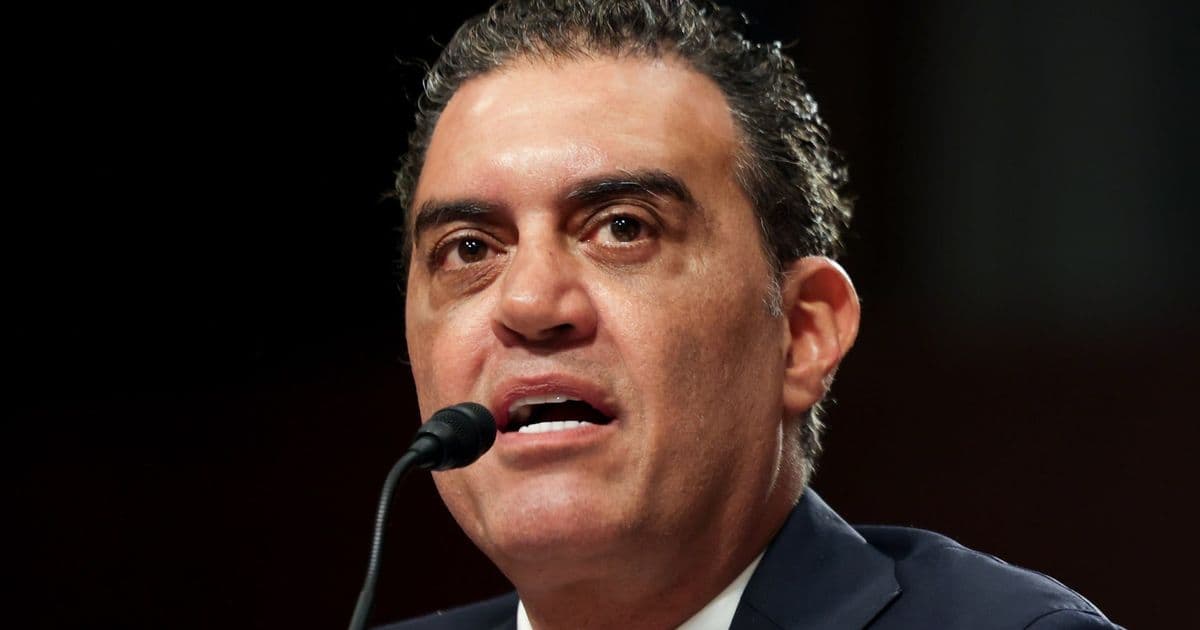
Former Uber executive Emil Michael warns that Anthropic's AI models could 'pollute' the DOD's supply chain due to built-in policy preferences, highlighting growing tensions between tech companies and government AI adoption.
Former Uber executive Emil Michael has raised concerns about the use of Anthropic's Claude AI models by the U.S. Department of Defense, warning that they could "pollute" the military's supply chain due to built-in policy preferences. The controversy highlights the growing tension between tech companies developing AI systems with specific ethical guidelines and government agencies seeking to deploy these technologies for national security purposes.
Michael's comments, reported by CNBC, suggest that Anthropic's models contain "a different policy preference that is baked in" to their architecture. This raises questions about whether AI systems developed with specific ethical frameworks can be effectively integrated into government operations that may have different priorities and requirements.
The Policy Preference Debate
The core of Michael's concern appears to be that Anthropic's approach to AI safety and ethics—which includes built-in guardrails and policy preferences—could conflict with the Department of Defense's operational needs. This touches on a broader debate in the AI industry about whether models should have inherent ethical constraints or whether users should have more control over how the technology is applied.
Anthropic has positioned itself as a company focused on AI safety and responsible development, which naturally leads to questions about how these priorities might affect government adoption. The company's approach contrasts with other AI developers who may take a more neutral stance on how their models are used.
Government AI Supply Chain Concerns
The term "pollute the supply chain" suggests deeper concerns about the integrity and reliability of AI systems in critical government infrastructure. If AI models have built-in policy preferences, this could potentially create vulnerabilities or limitations in military applications where consistent, predictable behavior is essential.
This controversy comes amid increasing government investment in AI technologies for defense and intelligence purposes. The Department of Defense and other agencies are actively exploring how to integrate advanced AI systems while maintaining control over their deployment and ensuring they align with national security objectives.
Industry-Wide Implications
The debate over Anthropic's models reflects a larger challenge facing the AI industry as it matures. Companies must balance their ethical principles with the practical needs of government and enterprise customers who may have different requirements for how AI systems should function.
This situation also highlights the complex relationship between tech companies and government agencies, particularly when it comes to sensitive applications like defense and national security. The tension between corporate values and government needs is likely to become more pronounced as AI systems become more sophisticated and widely deployed.
The Path Forward
As AI continues to evolve, companies like Anthropic will need to navigate these challenges carefully. This may involve developing different versions of their models for different use cases, or finding ways to provide more transparency about how policy preferences are implemented in their systems.
The controversy also underscores the need for clear frameworks and guidelines around AI use in government contexts, ensuring that both ethical considerations and operational requirements are properly addressed.
Related Developments
This debate occurs against a backdrop of significant AI industry activity, including Microsoft's launch of Copilot Health for personalized medical advice, Google's expansion of AI-powered features in Maps, and ongoing discussions about AI regulation and governance. The Anthropic controversy adds another dimension to these conversations, highlighting the practical challenges of deploying AI systems with built-in ethical frameworks in diverse real-world contexts.
The outcome of this debate could have significant implications for how AI companies approach government contracts and how government agencies evaluate and adopt AI technologies in the future.
Comments
Please log in or register to join the discussion