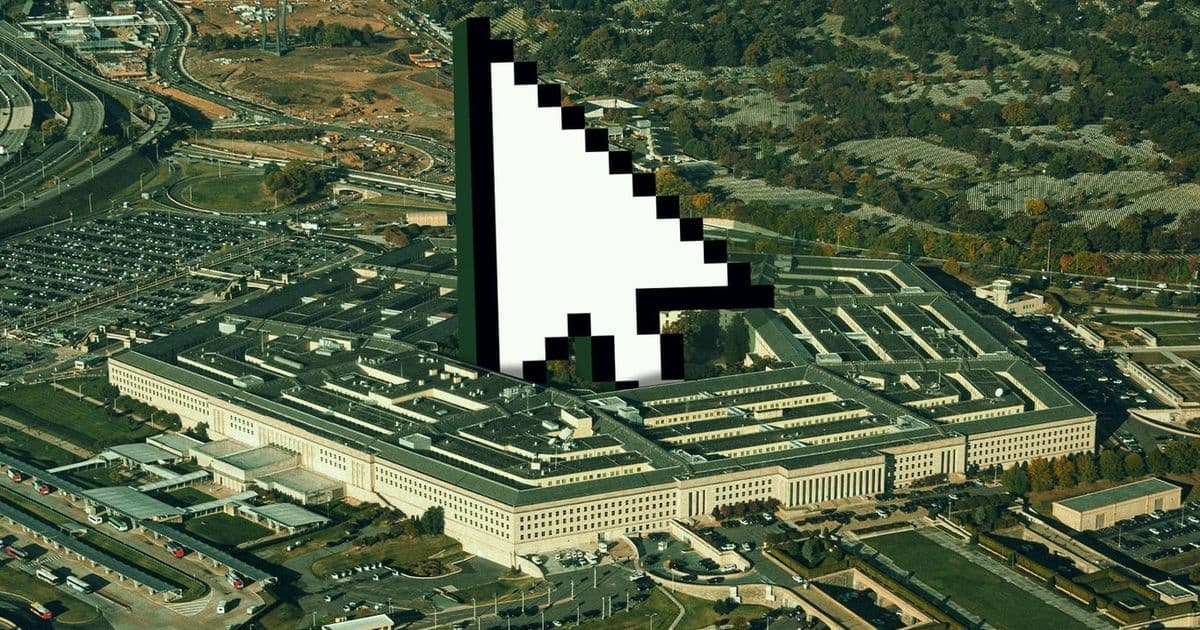
AI startup Anthropic has filed a lawsuit against the Pentagon after being designated a 'supply chain risk' by the Department of Defense, a rare classification that could severely limit the company's government contracts and market opportunities.
Artificial intelligence startup Anthropic has filed a lawsuit against the Pentagon, challenging a rare designation that labels the company as a "supply chain risk" by the Department of Defense. The classification, which appears in a Department of Defense procurement document, could severely restrict Anthropic's ability to secure government contracts and partnerships.
The lawsuit, filed in federal court, argues that the "supply chain risk" designation is both inaccurate and damaging to Anthropic's business prospects. The company claims the label was applied without proper justification or due process, potentially violating administrative procedures.
Supply chain risk designations are typically reserved for companies with documented ties to foreign adversaries, cybersecurity vulnerabilities, or other national security concerns. Anthropic, founded by former OpenAI employees and backed by major investors including Google and Amazon, has maintained that it operates transparently and adheres to strict security protocols.
Industry analysts note that such a designation from the Pentagon is exceptionally rare for a U.S.-based AI company with no apparent foreign connections. The classification could effectively blacklist Anthropic from bidding on sensitive government contracts, including those related to defense, intelligence, and critical infrastructure.
"This is an unprecedented move that could have far-reaching implications for the AI industry," said a technology policy expert who requested anonymity due to the sensitivity of the case. "If the Pentagon can designate a company like Anthropic as a supply chain risk without clear justification, it sets a concerning precedent for other AI firms operating in the government space."
The timing of the lawsuit is particularly notable as the AI industry faces increasing scrutiny from regulators and policymakers. Anthropic has positioned itself as a responsible AI developer, emphasizing safety and ethical considerations in its technology development. The company's flagship product, Claude, competes directly with OpenAI's ChatGPT and other large language models.
Legal experts suggest that Anthropic's case may hinge on whether the Pentagon followed proper procedures in applying the supply chain risk designation. If successful, the lawsuit could force the Department of Defense to provide specific evidence supporting the classification or remove it entirely.
For Anthropic, the stakes extend beyond this single designation. Government contracts represent a significant growth opportunity for AI companies, particularly as federal agencies explore applications for large language models in areas ranging from document analysis to cybersecurity.
The case also highlights the complex intersection of national security, technological innovation, and commercial competition in the AI sector. As the United States government seeks to maintain technological superiority while managing potential risks, companies like Anthropic find themselves navigating an increasingly complex regulatory landscape.
Anthropic has requested that the court review the Pentagon's decision and potentially overturn the supply chain risk designation. The company is also seeking damages for what it claims are lost business opportunities resulting from the classification.
The Pentagon has not publicly commented on the pending litigation, and the Department of Defense has not provided specific details about the basis for Anthropic's supply chain risk designation. The case is expected to proceed through federal court in the coming months, with potential implications for how government agencies evaluate and engage with AI companies in the future.
This legal battle comes at a time when the AI industry is experiencing explosive growth, with companies racing to develop increasingly sophisticated models and applications. The outcome could influence how other AI firms approach government partnerships and what safeguards they implement to avoid similar designations.
For now, Anthropic's lawsuit represents a significant challenge to the Pentagon's authority to make such designations and could reshape the relationship between the U.S. government and the AI companies it relies on for cutting-edge technology development.
Comments
Please log in or register to join the discussion